Top SEO Mistakes: Common SEO Issues & How to Fix Them

For anyone determined to improve website rankings, the secret isn’t just about tricks, it’s knowing the common SEO mistakes to avoid in 2026. Every business tries hard, but even with full effort, errors SEO slip in, holding back good results. We all want our content to pop up when people search. But sometimes it is stuff like outdated strategies, missed keywords or broken links that drag things down. Search engines keep changing and this means we have to keep up, or risk slipping behind.
In this blog, you’ll find what those common SEO mistakes to avoid are, how to fix my SEO, and ways to apply SEO best practices. Let us get the specifics right so you can avoid search engine optimization issues and boost traffic.
Difference Between Technical and On-Page SEO Mistake
Technical Search Engine Optimization and On-Page Search Engine Optimization are the two most important aspects of a successful SEO strategy. These two elements ensure to focus on various facets of a brand website. That is why, it is important to understand the core differences between them. It will help you to address specific SEO mistakes effectively.
What is Technical SEO?
You may be wondering what technical SEO stands for in 2026.
Technical SEO refers to the procedure of optimizing the technical infrastructure of a website. It helps to improve the visibility as well as performance of your search engine results.
This category of SEO makes a website functional as well as easily crawlable by the search engines. The important components of technical SEO include-
- Crawlability and Indexability
- Page Speed
- Mobile-Friendliness
- Site Architecture
- Structured Data (Schema Markup)
- HTTPS
- XML Sitemaps
- URL Structure
Common technical SEO mistakes include-
- Slow site speed
- Poor mobile responsiveness
- Broken links
- Improper use of robots.txt or XML sitemaps
- Lack of HTTPS security
Technical SEO mistakes can lead to search engines being unable to properly access and understand your website, negatively impacting search visibility.
What is On-Page SEO?
On the other hand, On-Page SEO focuses on the elements that appear directly on individual web pages to improve their relevance for specific keywords and user engagement. Mistakes in on-page SEO include-
- Keyword stuffing
- Poorly optimized meta titles and descriptions
- Thin or low-quality content
- Misuse of header tags
- Lack of internal linking
These errors affect how well the content resonates with the audience and search engines.
Therefore, technical SEO lays the foundation for website accessibility and performance, while on-page SEO focuses on optimising the content and user experience on each page. Both need to work together to avoid SEO pitfalls and boost overall site rankings effectively.
Why Do SEO Mistakes Happen? Understanding the Root Causes
SEO mistakes are common, even for experienced marketers, because search engine algorithms keep evolving. What worked a year ago may not work today, and this constant shift often leads to outdated strategies being used unintentionally.
Another major reason is the lack of proper SEO knowledge. Many businesses focus only on keywords and overlook deeper factors like user intent, technical SEO, mobile optimization, and page experience.
Mistakes also happen when brands rush to see quick results. SEO is a long-term process, but the pressure to achieve fast rankings can push teams to take shortcuts such as keyword stuffing, buying links, or ignoring content quality. Limited resources or inconsistent content workflows can also contribute to errors, especially when multiple people work on a website without a unified SEO strategy.
Lastly, SEO mistakes often occur due to poor tracking and analysis. Without regularly monitoring performance metrics, businesses fail to notice what’s working and what needs improvement. In short, a mix of outdated practices, lack of expertise, and inconsistent optimization leads to the most common SEO pitfalls.
Technical Issues to Avoid
Technical SEO in 2026 means improving your site to rank on Google with methods users don’t directly see. It includes things like page speed, sitemaps, and backend elements.
This side of optimization is important when you want high rankings. But site owners sometimes overlook technical SEO issues and they can create serious SEO problems. Here are the most common SEO mistakes to avoid and ways to fix them.
Duplicate Content
Duplicate content happens when a page on your site has the same text as another page. It might be a full copy or very similar with only slight changes.
Think of templated service pages with swapped words. Or a U.S. vs. U.K. version of the same page.
This is one of the biggest SEO mistakes. If not corrected, duplicate content can trigger several search engine optimization issues, including:
- The wrong version of a page appearing in Google results
- Problems with proper indexing
- Poor or unstable page rankings
These errors SEO can cause heavy traffic loss, making this one of the most damaging common SEO issues.
How to Fix Duplicate Content
Step one is finding where the duplication exists.
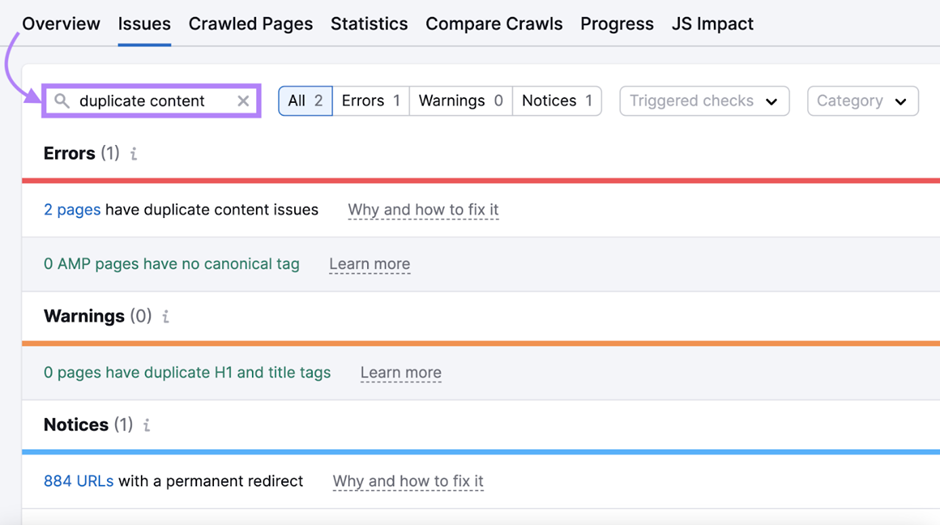
Open Site Audit tool and enter your domain. Set up your audit and hit “Start Site Audit.”
When the scan finishes, click “Issues.” Search “duplicate content.”
You’ll see alerts about duplicate content. To understand the problem better, click “Why and how to fix it.”
Your SEO fixes may include:
- Adding unique text to one of the pages
- Using a rel=”canonical” tag so search engines know which version to show
- Adding a 301 redirect from a duplicate page to the original
These solutions prevent SEO challenges caused by duplication and improve SEO error management.
Under-Optimized Meta Tags
Meta tags are pieces of HTML that give users and crawlers details about a page. When meta tags are weak or missing, it’s one of the common SEO mistakes that stops your content from performing well. These gaps are silent SEO issues that influence how Google and users see your site.
Two main types of meta tags play a huge role:
- Title tags decide how a page title appears in Google results and on browser tabs.

- Meta descriptions provide the short blurb shown below the page title and URL. (Google doesn’t always use it, but when it does, it affects clicks.)

Done well, these tags link your content with a search query and persuade users to click. But missing or weak tags are common on-page SEO mistakes to avoid. They fall under technical SEO issues because they hold back visibility.
Along with these, you should polish H1 tags (on-page titles) and alt text (image details for crawlers and screen readers).
Top-performing pages usually refresh these tags often. If you ignore them, you’re making one of the beginner SEO mistakes that impacts visibility.
Typical reasons for weak tags include:
- Missing tags
- Tags too short or too long
- Duplicate tags (a repeated SEO error)
These common SEO problems confuse both users and Google, which leads to ranking losses.
How to Fix Under-Optimized Meta Tags
If you see missing or duplicate tags, add new ones or rewrite them to be original. This is one of the easiest SEO fixes to stop these errors SEO from spreading.
For best results, your title tag and meta description should:
- Include the main keyword
- Be unique to the page
- Give a clear summary of what’s inside
- Match the search intent behind the keyword
Image Issues
Images play a big part in SEO. When optimized, they help your site rank on Google Images, improve accessibility, and boost user experience. But leaving images unchecked is one of the common SEO mistakes. These SEO issues can slow your site, frustrate visitors, and cause ranking drops.
Some of the most frequent SEO mistakes to avoid with images include:
- No alt text: Alt text explains what an image shows. Without it, screen readers can’t help visually impaired users, and crawlers miss context. That’s a serious SEO error.

- Oversized files: Large images drag down page speed (a Google ranking factor). This is a classic case of technical SEO issues.

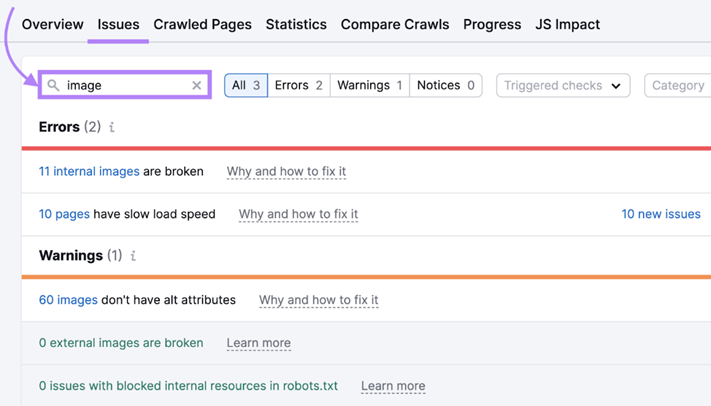
- Broken images: Missing or invalid file paths create broken visuals. They ruin user trust and signal poor site quality, making this one of the biggest SEO mistakes.
These common SEO problems may seem small, but together they create major search engine optimization issues.
How to Fix Image Issues
Here’s how you can handle the most common SEO challenges with images:
- Missing Alt Text– Use Site Audit to find pages missing alt text. Then add descriptive, unique alt text for each image. Don’t overstuff keywords. It’s one of those common on-page SEO mistakes to avoid.
- Oversized Images– Shrink file sizes without losing quality. Start with free tools, then compress further with plugins or apps. These SEO fixes improve speed and prevent performance errors SEO.
- Broken Images– Go to the “Issues” tab in your audit report and search “image.” You’ll see broken image alerts. Fix them by updating the file path, replacing the image, or removing it altogether.
Skipping these steps means dealing with common SEO issues again and again. If clients ever ask “how to fix my SEO,” image optimization should be high on your list. Proper fixes here stop lingering SEO errors and keep your site healthy.
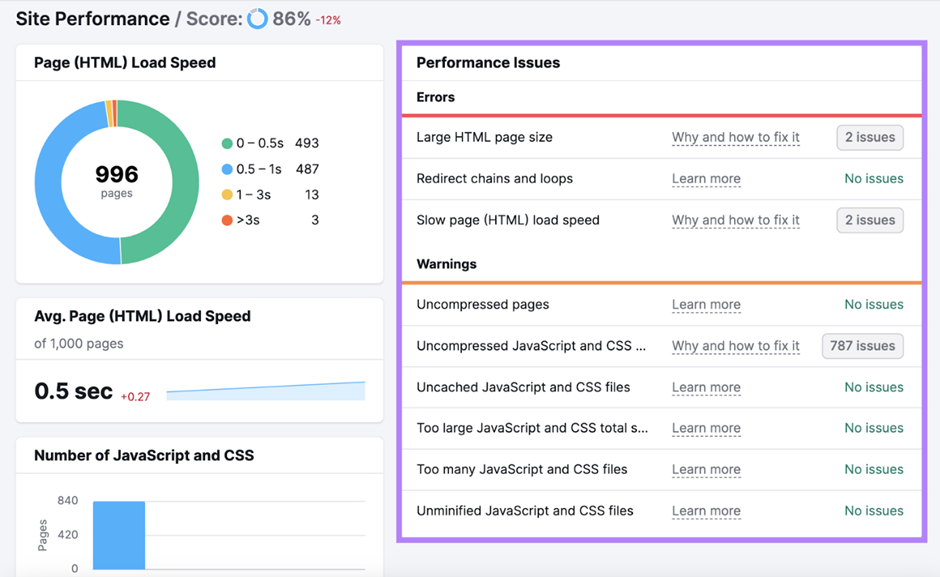
Slow Load Speed
Page load speed significantly affects both user experience and SEO rankings. Studies in 2025 reveal that 53% of mobile users abandon a site if it takes more than three seconds to load. These common SEO mistakes demonstrate how critical fast performance is. Slow sites not only frustrate visitors but also increase bounce rates, lowering dwell time and hurting rankings.
How to Fix Slow Load Speed
To address this common SEO problems, compress images to reduce file size, minimize the use of heavy plugins, and enable browser caching to speed up repeat visits. Regularly monitor load times to catch issues early. Google’s Core Web Vitals emphasize loading speed as a ranking factor, making it essential to maintain swift page response for better traffic and conversions.
Poor Crawlability
For a page to appear in search results, Google first needs to crawl and index it. If crawlers can’t access your content, it won’t rank. That’s one of the most damaging SEO mistakes because it cuts off traffic before it even starts.
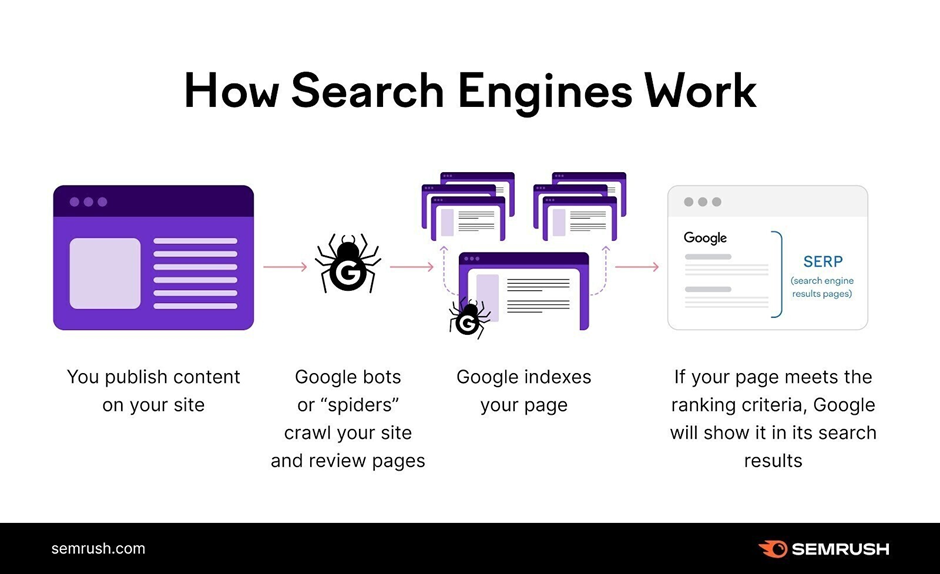
Bad crawlability is usually tied to technical SEO issues. Some examples of these common SEO problems include:
- Pages blocked by a robots.txt file
- Broken or missing links
- Pages not indexed at all
- Redirect loops (where one page bounces between another endlessly)
- 4xx errors (pages unavailable)
- 5xx errors (server breakdowns)
- Poor site architecture
How to Fix Poor Crawlability
Open your Site Audit and scroll to “Thematic Reports.”
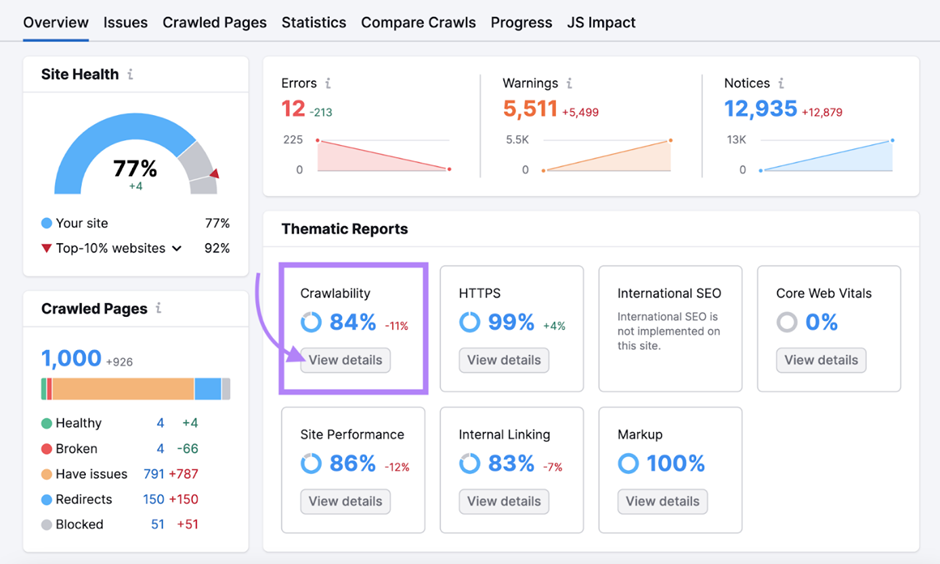
Here, you’ll find your Crawlability score. Click “View details” to see indexing performance.
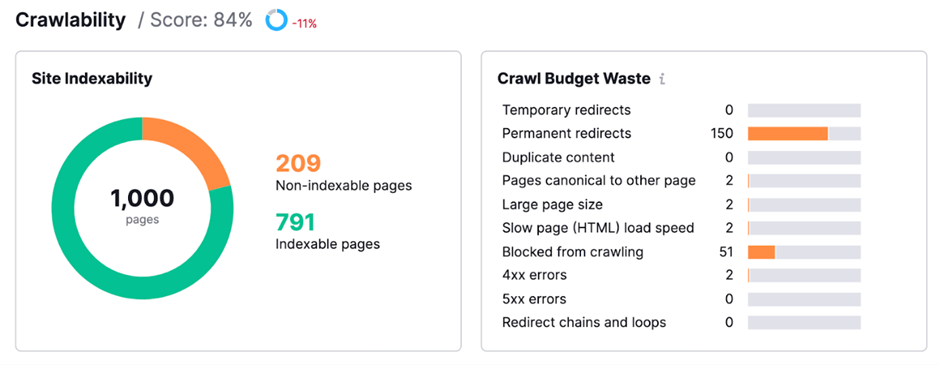
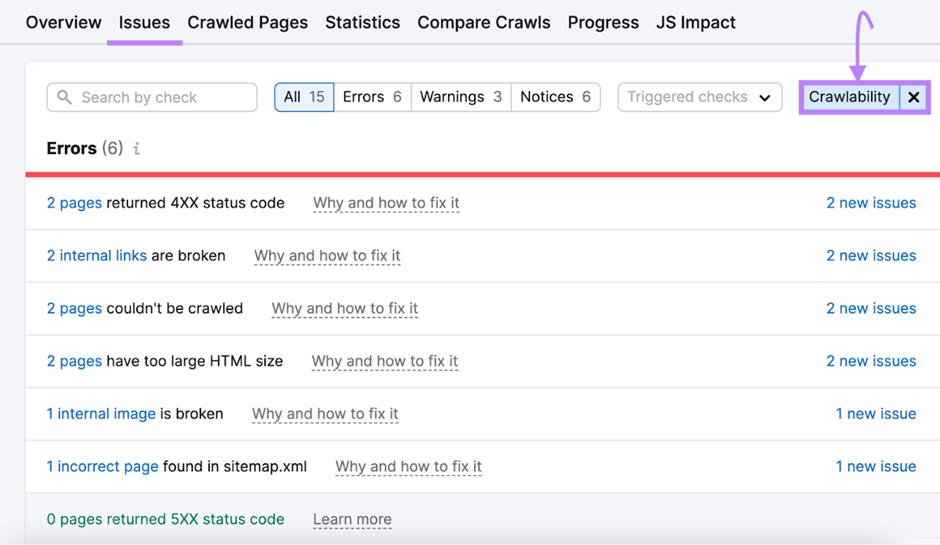
Check the “Issues” tab for related SEO errors. Many of these affect how Googlebot reaches your content, so they’re worth fixing immediately.
Typical SEO fixes for crawlability include:
- Maintaining an updated sitemap
- Improving site structure
- Strengthening internal linking
- Fixing broken or redirected links
Lack of Mobile Optimization
Most searches now happen on mobile, and Google favors mobile-friendly sites. Skipping mobile optimization is one of the biggest SEO mistakes you can make. It’s a clear example of technical SEO issues that impact both ranking and usability.
When a site isn’t mobile-ready, visitors struggle with layout, load times, and navigation. This is one of those common SEO problems that creates poor engagement signals. Over time, it turns into long-term search engine optimization issues.
There are three main approaches to mobile optimization:
- Responsive design: One URL works on all devices, but layout adjusts.

- Dynamic serving: Same URL, different HTML based on the device.

- Separate URLs: One site for desktop and another for mobile (least recommended).
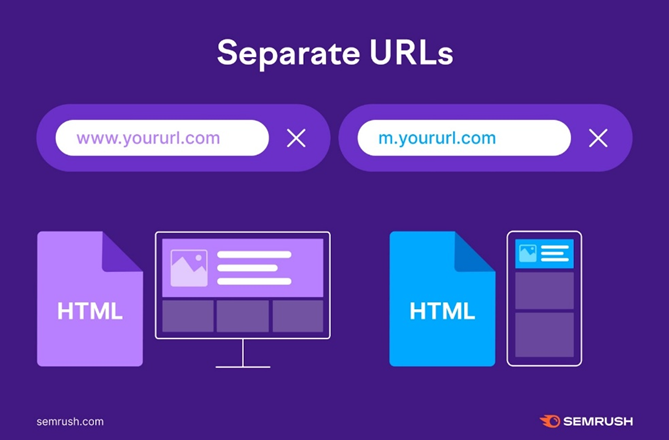
Source
Failing to use one of these setups is a textbook SEO mistake to avoid.
How to Fix a Lack of Mobile Optimization
Choose the right mobile setup (responsive is usually best). But don’t stop there. Poor mobile experiences are one of the common SEO mistakes to avoid because they directly affect rankings and conversions.
To find problems, open your Site Audit and check the “Issues” tab. Search “mobile” to reveal alerts tied to AMP or other mobile performance SEO errors.
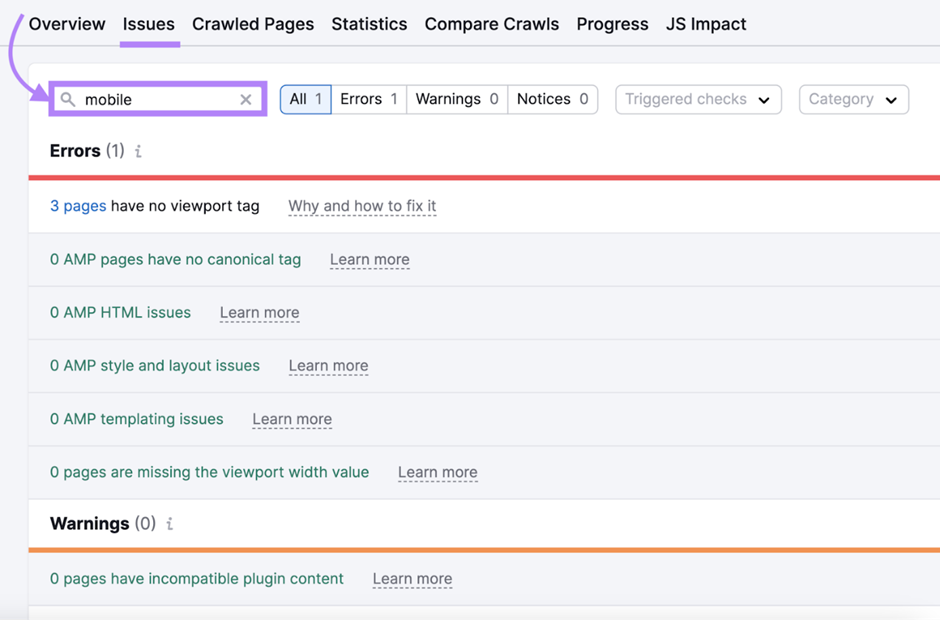
Beyond technical fixes, think about user readability. That means:
- Writing shorter paragraphs for small screens
- Leaving more white space
- Avoiding annoying pop-ups
- Optimizing title tags and descriptions for mobile searches
Skipping these updates leads to repeat SEO challenges. If a client says “fix my SEO,” mobile optimization almost always belongs on the list. Addressing this stops errors SEO from piling up and keeps your site aligned with modern standards.
Common On-Page SEO Mistakes
On-page SEO focuses on what visitors actually see—content, structure, and keywords. Getting it wrong is one of the most frequent SEO mistakes. Poor execution here creates weak user experiences, which eventually become serious search engine optimization issues.
If left unchecked, these common SEO issues can lower rankings, hurt conversions, and damage credibility. Let’s look at the most common on-page SEO mistakes to avoid.
Low-Quality Content
Google wants to deliver the best content to users. Publishing weak or outdated material is one of the biggest SEO mistakes. It signals low relevance, low authority, and low trust.
Low-quality work usually falls into two categories:
- Intentional shortcuts: Like publishing AI text without editing, fact-checking, or adding unique value.
- Unintentional errors SEO: Outdated information, typos, and mismatched search intent.
Over time, even good content can decline if it no longer meets Google’s E-E-A-T (Experience, Expertise, Authoritativeness, and Trustworthiness). For YMYL (Your Money or Your Life) topics, poor quality becomes a major SEO challenge.
This is one of those common on-page SEO mistakes to avoid because it harms trust and rankings at the same time.
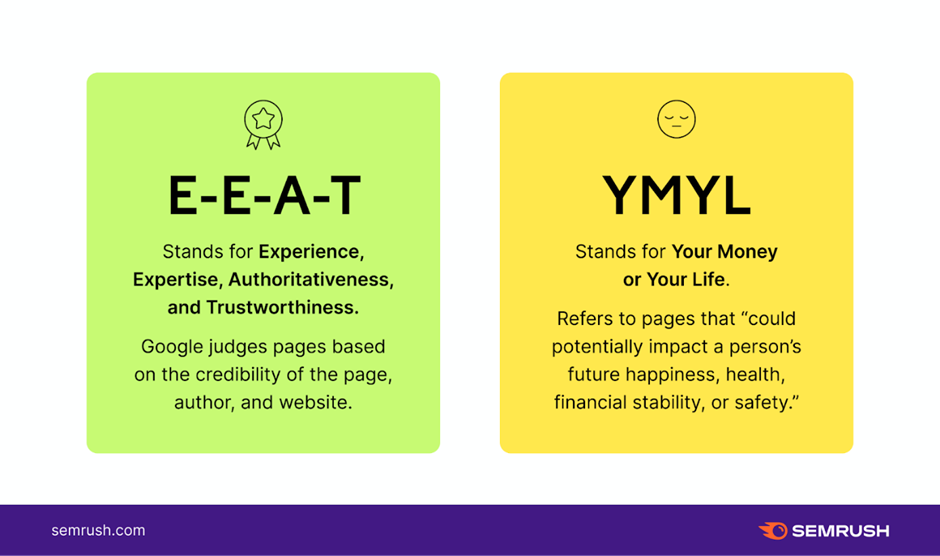
How to Fix Low-Quality Content
The only answer is better content. High-quality pages are:
- Accurate and relevant
- Easy to read
- Useful and updated
- Well-written and error-free
- Trustworthy and aligned with E-E-A-T
Most importantly, they match search intent. Giving users exactly what they expect keeps engagement high and prevents SEO problems.
Use On Page SEO Checker to uncover optimization opportunities. Upload pages or let the tool import top performers.
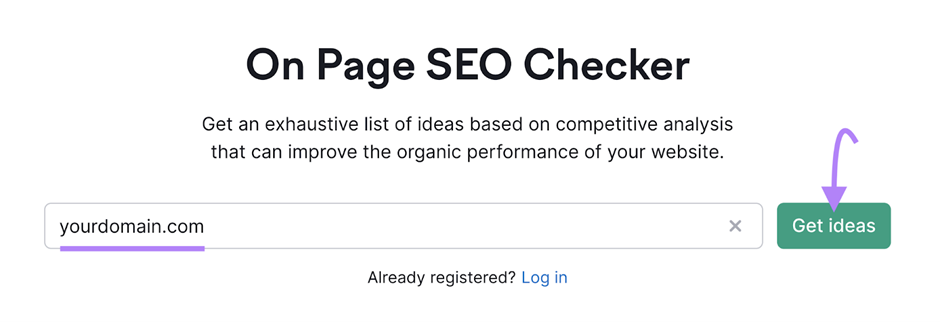
The report will show SEO fixes across strategy, content, backlinks, and SERP features.
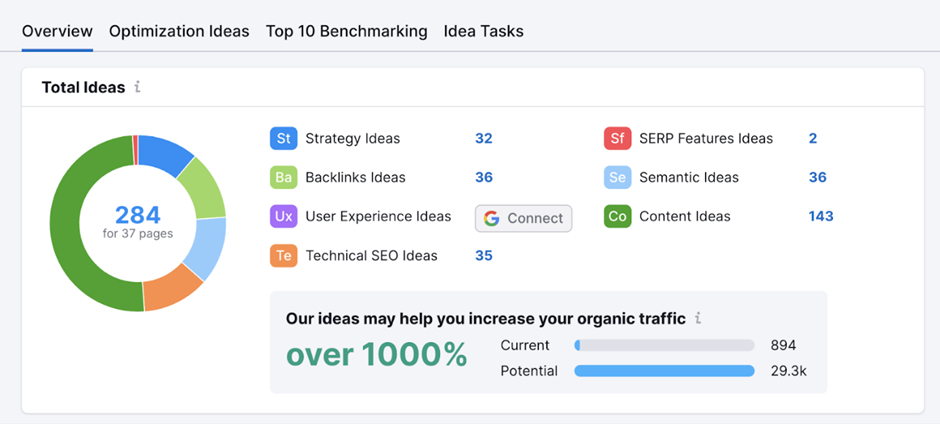
Skipping this step is one of those common SEO mistakes that drags down long-term growth. If you ever hear someone ask “fix my SEO,” bad content is usually near the top of the list.
Keyword Stuffing
Cramming in keywords doesn’t trick search engines anymore. This is one of the most notorious SEO mistakes to avoid. It makes text hard to read and causes ranking dips. Several sites were penalized and flagged for keyword stuffing. Instead, balance keywords by sprinkling them every 200-400 words and always favor readability. Fixing these beginner SEO mistakes is fast because all you must do is just cut the extras and let the message flow.
How to Fix Keyword Stuffing
Always use keywords naturally. Don’t sacrifice flow just to repeat a phrase. The focus should be on user experience, not tricking the algorithm.
Good placement includes:
- Page title
- Meta description
- First paragraph
- Body copy (when it fits naturally)
- Alt text
- Selected headers
If a keyword feels clunky, use a variation instead. For example, instead of forcing “how to bake a cake gluten free,” use “how to bake a gluten-free cake.” Both satisfy intent without falling into errors SEO.
Avoiding stuffing is one of those common on-page SEO mistakes to avoid that protects your rankings. Correcting it with thoughtful writing is one of the most effective SEO fixes you can apply.
Ignoring this problem leads to repeated SEO challenges. If someone asks you to “fix my SEO,” fixing keyword stuffing should be a priority for strong SEO error management.
Keyword Cannibalization
Targeting the same keyword on multiple pages means those pages fight with each other. This is among the biggest SEO challenges. It confuses Google and splits authority, which drops rankings dramatically. Check for overlaps every month and focus each page on a different variation. The fix is simple. Merge similar content, add fresh details, and create a clear intent per page. This stops the technical SEO mistakes that come from poor planning.
How to Fix Keyword Cannibalization
Start by reviewing intent. Each keyword should connect to a page that serves a distinct purpose. If two pages fight for the same search intent, rankings for both suffer.
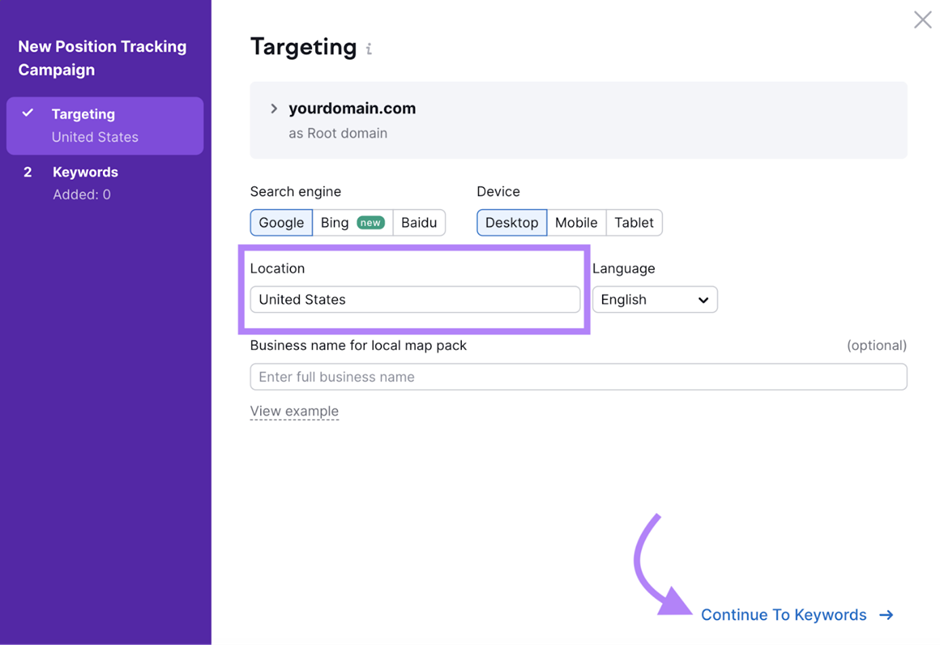
Use Position Tracking tool to uncover this issue.
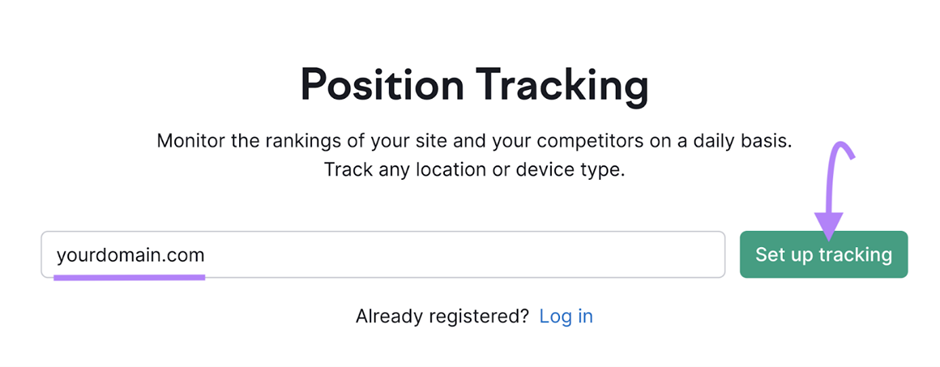
Enter your domain, add target keywords.
The report highlights competing pages and the errors SEO they create.
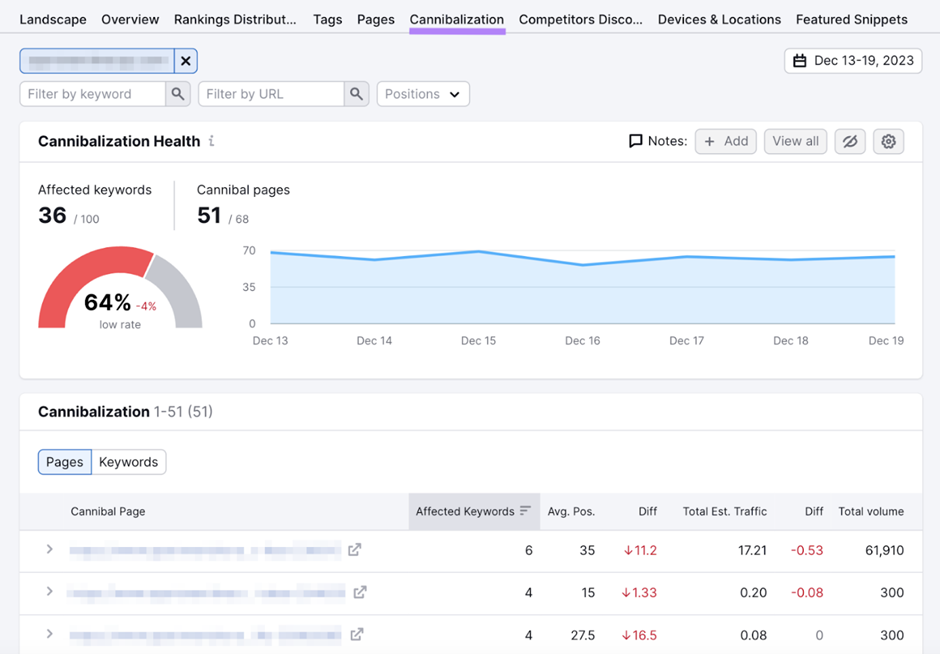
These are practical SEO fixes that clean up duplication. They stop wasted crawl budget, improve clarity, and resolve search engine optimization issues tied to intent overlap.
Ignoring cannibalization is one of the common SEO mistakes to avoid if you want consistent traffic. When clients say “fix my SEO,” this problem often sits near the root of their ranking drops.
Over-Optimized Anchor Text
Linking is great, but stuffing anchor text with the same keyword or making it unnatural is one of the most common SEO mistakes. Google often sees it as manipulation, which makes it a risky SEO challenge. Instead of improving rankings, it creates search engine optimization issues and disrupts the reading experience.

How to Fix Over-Optimized Anchor Text
Google’s guidelines recommend clarity over keyword stuffing. Anchor text should explain the destination, not try to manipulate rankings. An example of over-optimized anchor text-

This is one of those common on-page SEO mistakes to avoid because it directly impacts both user trust and search visibility. Keeping it clean is part of smart SEO error management.
If over-optimized links already exist, adjust them. Rewording anchor text is an easy SEO fix that reduces SEO errors and strengthens site authority.
Why Is It Wise to Choose a Professional SEO Partner to Avoid Mistakes in 2026?
As the digital landscape evolves, SEO in 2026 has become more advanced, data-driven, and competitive than ever. Search engines now rely heavily on AI, user behavior signals, and real-time search intent, making the margin for error extremely small. This is why choosing a professional SEO partner is one of the smartest decisions for businesses aiming to grow sustainably while avoiding costly mistakes.
A professional SEO team brings a blend of experience, updated industry knowledge, and technical expertise that most businesses find difficult to maintain in-house. They stay ahead of Google algorithm updates, understand advanced ranking factors, and use proven strategies backed by data rather than guesswork.
Key Reasons Why a Professional SEO Partner Is the Smartest Choice in 2026
- Keeps You Updated With AI-Driven Algorithm Changes
Algorithms in 2026 heavily rely on AI, semantic search, and user intent. Professionals continuously monitor industry updates so your website never falls behind.
- Prevents Critical Technical SEO Errors
Issues like slow Core Web Vitals, broken redirects, crawlability problems, and schema errors can damage rankings. A dedicated SEO team ensures your technical foundation stays clean and optimized.
- Uses Data-Backed Keyword & Content Strategies
Professionals analyze real user behavior, search trends, and competitor performance to craft strategies that work and not random keyword placements or outdated tactics.
- Stronger Safeguards Against Penalties
Many businesses unknowingly use harmful shortcuts like low-quality backlinks or duplicate content. SEO experts ensure you follow safe, white-hat practices that protect your domain authority.
- Better ROI Through Structured, Long-Term Planning
Rather than chasing quick wins, an SEO partner builds sustainable growth through planned content calendars, link-building frameworks, and conversion-focused optimization.
- Access to Advanced Tools & Insights
Premium tools for analytics, tracking, keyword research, AI content optimization, and competitor audits can be expensive. A professional partner brings these resources without increasing your costs.
- Consistent Monitoring & Reporting
SEO mistakes often go unnoticed due to lack of tracking. Professionals provide real-time monitoring, monthly reports, and clear performance insights to guide decisions.
- Lets You Focus on Business Growth
Instead of spending time understanding the complexities of modern SEO, you can focus on operations while experts grow your online visibility.
In 2026, SEO is no longer just about keywords. It is about strategy, technology, precision, and continuous adaptation. A professional SEO partner ensures you avoid mistakes, stay future-ready, and keep your brand ahead of the competition.
Conclusion
SEO error management isn’t set-and-forget. It needs attention to detail, ongoing fixes, and real content. These common SEO mistakes to avoid cover all the major trouble spots that appear every year.
Whether it’s checking keywords, reviewing links, updating old posts, or just testing speed, small efforts build big results. Stay proactive, apply SEO error management best practices, and use data from analytics tools. Every step helps you learn how to fix SEO issues and improve website rankings through simple, repeatable actions.


FAQs on SEO Mistakes

Update top-performing content every three to six months in 2026, to keep stats and links current, as search engines now refresh SERP evaluations faster, reducing the impact of outdated content and preventing major SEO mistakes.
It’s when pages fight for the same keyword. You can fix it by merging pages, restructuring headers, or assigning separate keywords.
It is true that even a few broken links can cause a significant ranking drop. That is why you must schedule regular checks.
Majority of user searches are now on mobile devices and sites that do not respond ranks lower.
Run site audits monthly and ensure to check robots.txt. Keep a clean sitemap to help search engines find all content.
In 2026, core web vitals are known to hold even more weight, so ignoring them is a common mistake that can even affect the load speed and interactivity.
Content generated using AI can be safe for SEO, only if it is edited, verified and enriched, or it becomes one of the fastest-growing SEO mistakes in 2026.
Yes, they create authority gaps and contribute to mistakes if not replaced with fresh, high-quality links.
Monthly audits are recommended in 2026 to catch technical mistakes early and rectify them.
Yes, incorrect schema is one of the subtle common SEO mistakes, which reduces rich-result eligibility.
Yes. In 2026, server latency is linked directly to SEO performance, making poor hosting a recurring SEO mistake.
Internal linking is now critical to boost the ranking of your site content. Never make the mistake of putting weak internal links as this type of mistake can dilute page authority.
Yes, outdated plugins are likely to cause security risks and slowdowns, both classified as technical SEO mistakes.
Weak or thin content can hurt your site ranking more than ever. Thin content tops the list of common SEO mistakes while also harming the E-E-A-T signals.
It is wise to keep a track of the SERP features because missing SERP opportunities is now considered one of the new-age SEO mistakes that reduces visibility.