Mobile SEO: The Complete Guide with 9 Proven Tips (2026)


Mobile search shapes the way people discover brands today. Most users will eventually move on when your site does not look sharp or load fast enough on smartphones.
Nearly 62.54 percent of global website traffic come from mobile. That is why ignoring mobile SEO means leaving growth and sales on the table. Optimizing for search engine results on small screens has changed over the last decade.
Many talk about algorithms or technical tweaks, but SEO firms have worked with diverse businesses involving retailers, SaaS platforms, consultants. They have been solving the “my mobile site isn’t ranking” complaint more often than any other. This guide gives you quick, practical answers and a proven action plan so your mobile SEO won’t hold your business back another year.
What Is Mobile SEO?
Mobile SEO means making sure your website runs smoothly on phones as well as tablets. It involves the set of adjustments like page speed and layout. These aspects are responsible for pushing your pages higher in search results seen by mobile users.
This is unlike the desktop optimization. Search engine optimization for mobile focuses on-
- Designing easy navigation
- Readable text without pinching or zooming
- Fast load times
Browsing patterns change as people switch between screens. That is why mobile SEO best practices require you adapt to-
- Smaller displays
- Touch gestures
- How people actually scroll on the go
These features are important for mobile also and not just on laptops at home.
Major search engines like Google now index and rank your site using its mobile version. Sites that neglect SEO in mobile miss out on traffic, trust and conversions in 2026.
Why Is Mobile SEO Important?
Optimizing for mobile users is no more an optional strategy to grow your business. Search engines now prioritize mobile site versions for ranking and indexing. That means your desktop masterpiece counts less if your mobile pages fall flat. You must know that more than 60% of online activity starts on mobile devices. Local purchases, quick product research, sharing links. All of those begin with a tap instead of a click.
The business that provides seamless SEO for mobile devices builds trust and conversions. A slow and complicated navigating page frustrates users and increases bounce rates. Yet a user who lands on a fast and clean mobile page is far more likely to stay, interact and buy.
SEO for mobile is not a temporary step. You must know that mobile searches are now outnumbering desktop. Businesses who adapt see increased engagement, more leads and a stronger brand reputation. That is why updated mobile search optimization gets priority.
Most Important Mobile SEO Ranking Factors
Mobile SEO ranking factors are ingredients that search engines look at to measure how effective a website is for mobile. Focusing on the right ranking factors brings-
- Better visibility
- A smoother user experience
- Stronger placements in mobile search results
Here are the ranking factors that matter most for mobile SEO–
- Mobile Friendliness
A website suitable for mobile adapts easily to smaller screens, features readable text and clear navigation with no zooming needed. Consistent, responsive design makes all the difference for mobile users and bolsters your mobile search rank.
- Page Speed
Quick load times hold attention. A fast mobile site delivers content right away. It keeps engagement high and signals strong usability to search engines which helps you move higher in mobile results.
- Content Relevance
Content should clearly match what the user wants. An organized and useful information gives users answers quickly and signals to Google that your page fulfills search intent.
- User Experience (UX)
Good UX comes from intuitive layouts, smooth navigation and accessible CTAs. A streamlined site earns longer visits with low bounce rates and better engagement.
Optimizing for these mobile SEO ranking factors is the foundation for staying visible as well as competitive. Keeping users happy on the go is what Google expects from any site aiming for top mobile rankings.
Focusing on these factors means your site meets modern expectations. It also performs well for anyone searching on a phone and delivers a better experience that search engines reward.
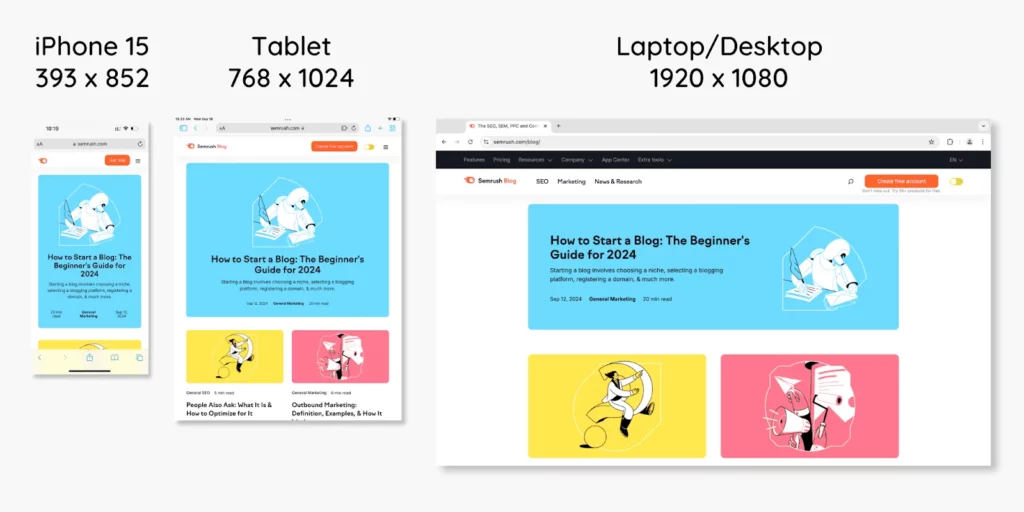
What is the Preferred Way to Configure a Website for Mobile
A responsive design is the best way to configure a website for mobile. These layouts allow your content to flow and adjust better to different screen sizes. It uses the same URL as well as HTML for every device. Responsive sites mean-
- Only one version to update (easy to maintain)
- No risk of duplicate content issues
- Better experience for users sharing links across platforms
- Faster loading times (no redirects)
Responsive design is the backbone of contemporary SEO for mobile sites and aligns with how search engines evaluate modern websites.
A designer once shared that after switching from separate URLs to a single responsive site, their bounce rates plummeted and conversions instantly jumped. So when in doubt, go responsive for strong SEO for mobile results.

Are There Alternate Ways to Configure a Website for Mobile?
Not every site uses responsive design, although it’s now the clear preference.
- Dynamic serving
The site detects device type and serves different HTML or CSS while keeping the URL the same. This can go wrong when the server gives mobile users a desktop page or vice versa.

- Separate URLs
Some sites create an URL that is specific for mobiles alongside their desktop domain. This can enable a highly controlled mobile experience. It takes more time to manage and can hurt search rankings when tags like rel=canonical or rel=alternate are set incorrectly.

Both alternatives risk increased errors while leading to SEO in mobile penalties, tracking complications, and double the maintenance. Responsive design remains the safest and highest impact path for nearly all businesses.
How to Check Site Optimization for Mobile
It never hurts to check your setup frequently. Several tools and steps help you find out when your site nails mobile SEO techniques.
Use the Google Mobile Friendly Test
Enter your website into the free Google Mobile Friendly Test tool. You will get instant feedback when Google considers your page mobile ready. Issues flagged might be-
- Text that is too small
- Clickable elements packed too close
- Content that does not fit the screen
Analyze Mobile Usability in Search Console
- Open Google Search Console.
- Head to the “Mobile Usability” report.
- See which URLs have mobile-specific errors and tackle those first.
Check Performance Metrics
- Try PageSpeed Insights for a focused mobile load time diagnosis.
- Review “Core Web Vitals” (big for search engine optimization for mobile) such as Largest Contentful Paint, Interaction to Next Paint, and Cumulative Layout Shift.
Test Real User Experience
- Open your site on various devices and screen sizes.
- Tap around, check menus, forms, and buttons, does everything flow logically?
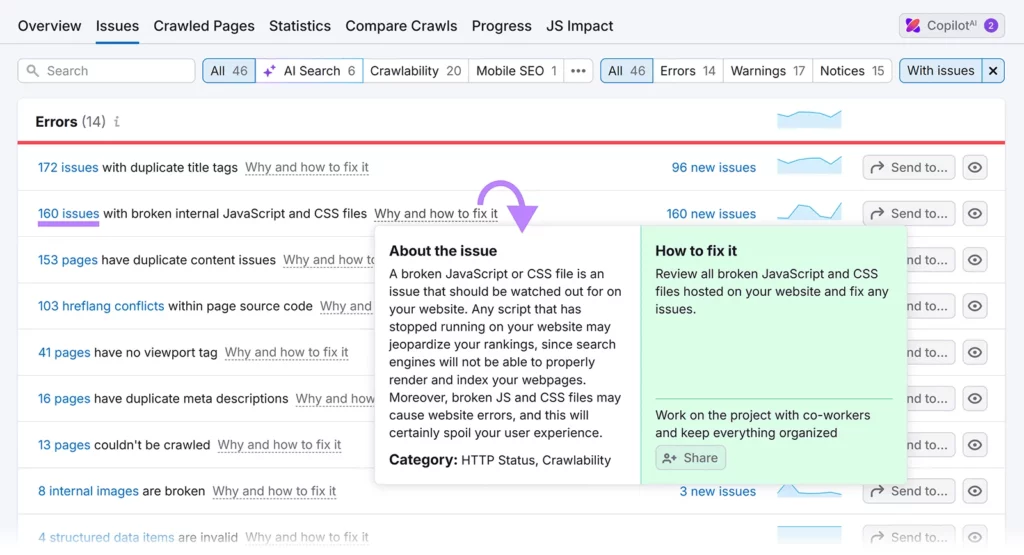
Review With Site Audits
- Tools like SEMrush flag mobile issues related to viewport setup, structured data, schema markup and overall mobile SEO best practices.
9 Mobile SEO Tips & Best Practices
Adopting these 9 strategies for search engine optimization for mobile helps you transform your ranking, drive engagement, and keep your mobile traffic growing in every niche and vertical.
1. Create Mobile-Friendly Content
- Use short paragraphs like 2 to 3 sentences.
- Stick to clear sub headers, bullet lists and simple vocabulary.
- Make text large enough for easy reading.
- Break up content with images and white space.
- Avoid intrusive pop-ups.
Visitors scroll quickly and expect direct answers. Clunky layouts turn them away fast. Well-formatted content is foundational for strong SEO in mobile performance.
2. Use Structured Data on Your Mobile Website
Schema markup helps search engines understand what your page is about. That can mean rich snippets, ratings, or FAQs show up right in the search results. Keep markup consistent across desktop and mobile. Pages with strong schema stand out in crowded mobile search optimization results.
3. Target Voice Search-Friendly Keywords
- Write in a conversational style with natural language.
- Include long-tail questions and phrases.
- Use FAQs and answer boxes.
More customers use voice search than ever. Tailoring keywords for natural language makes your SEO for mobile sites voice search ready.
4. Optimize Mobile Site Speed
- Compress images and use next-gen formats (e.g., WebP).
- Minify CSS, JavaScript, and HTML code.
- Reduce page redirects.
- Enable browser caching.
- Try a content delivery network (CDN) for global reach.
A single second lost on load time can tank conversions. Fast sites solidify SEO mobile performance.
5. Optimize Title Tags & Meta Descriptions for Mobile SERPs
- Keep titles 50–60 characters.
- Write meta descriptions under 105 characters for mobile.
- Place your main keyword (like mobile SEO) at the front.
- Make every title and description unique.
Short, punchy metadata catches eyes and lands clicks in crowded mobile search engine results.
6. Monitor Your Mobile Keyword Rankings
- Track key terms specifically on mobile devices.
- Compare desktop and mobile performance.
- Use ranking tools built with mobile SEO best practices.
This monitoring pinpoints what’s working so you can focus on real results.
7. Review Your Competitors’ Mobile SEO Results
- Analyze competing sites for mobile visibility.
- Find keywords they outrank you for on smartphones.
- Notice design tweaks, schema setups, and calls to action that seem to work.
Building on competitor data keeps your SEO for mobile devices sharp and relevant.
8. Compare Desktop vs. Mobile Site Traffic
- Use Google Analytics to see channel breakdowns.
- Look for pages that underperform on mobile vs. desktop.
- Prioritize fixes where mobile bounce rates or drop-offs spike.
This helps you verify success and zero in on lingering pain points in your mobile search optimization.
9. Optimize for AI Overviews
- Write answers that are direct, clear, and avoid ambiguity.
- Add up-to-date statistics, expert quotes, and supporting sources.
- Check if your pages appear in AI-generated results for major keywords.
Proper mobile SEO techniques help earn a spot in AI summaries, which now often dominate mobile screens.
By following proven strategies and keeping your site’s experience natural, fast, and usable on every type of phone, your mobile SEO can drive traffic, build trust, and support real business growth without any technical jargon.
Conclusion
To succeed with SEO in mobile, you need to focus on user experience, clear layouts, and page speed. Applying mobile SEO best practices like responsive design, compressed images, and concise titles, helps your site appear higher in mobile search results. Every improvement matters, from fast-loading pages to well-structured content. SEO for mobile is now a priority, not an option.
Taking these steps will keep your business visible and competitive as search habits keep shifting. Consistency with mobile SEO best practices ensures your website stands out, reaches more mobile users, and turns visitors into satisfied customers.
Key Takeaways
- Responsive design is the go-to approach for strong mobile SEO in 2026.
- Focus on fast load times, clear touch navigation, and content structured for mobile screens.
- Voice search matters and that is you must use natural language and answer boxes.
- Regularly check performance using Google’s toolset and competitor analysis.
- Optimizing title tags, meta descriptions, and schema boosts both mobile and desktop results.
- Monitoring, adjusting, and focusing on user experience fuels higher rankings and conversions.
- New AI features in search make concise, trustworthy content more important than ever.
- High-performing mobile sites see better engagement, more leads, and lasting growth than brands who neglect modern mobile search optimization.


FAQs About Mobile SEO

Enter your page URL into Google’s Mobile-Friendly Test. It highlights mobile display issues and offers suggestions like improving font size or adjusting touch elements for better usability.
Responsive design ensures content stays consistent across all devices. This uniform structure helps search engines crawl each page better, supporting higher keyword rankings for mobile searches.
Keep your core content and metadata the same across both versions. Google looks at mobile pages first, making parity crucial for top search performance.
Because mobile screens are small, clear and precise title tags plus short meta descriptions attract more user clicks and boost visibility on crowded results pages.
Obstructive pop-ups annoy mobile users, increase bounce rates, and make your site fail usability checks, which negatively affects mobile SEO performance and rankings.
Check your analytics, rankings, and mobile usability monthly. Regular reviews help you spot issues early and refine strategies for a steady SEO improvement.