Competitor keywords Guide (2026): Find & Win Your Rival’s Terms


Facing flat search rankings and missed clicks feels frustrating. If your content never seems to get to Page 1, there’s usually a simple reason. This is where your rivals picked the right competitor keywords and you didn’t.
As an SEO team that’s helped hundreds of brands move up fast, we’ve seen the same challenge in every industry. But here’s the promise: competitor keywords aren’t a mystery. With the right steps, you can find competitor keywords your rivals use, then use them for your own brand and finally, see real results.
What Are Competitor keywords
Competitor keywords are search terms that your rivals already rank for both in organic and paid search.
It matters because-
- These keywords show what your target audience is searching for right now
- They become real opportunities for traffic, sales, and leads
- They take the guesswork out of keyword research
If you try to guess which keywords work, you won’t get far. But by mining your competitors keywords, you always work with proven data (which means less risk and more reward). You don’t have to guess what pulls in visitors. You must just see what works for others, refine it for your brand, and take action.
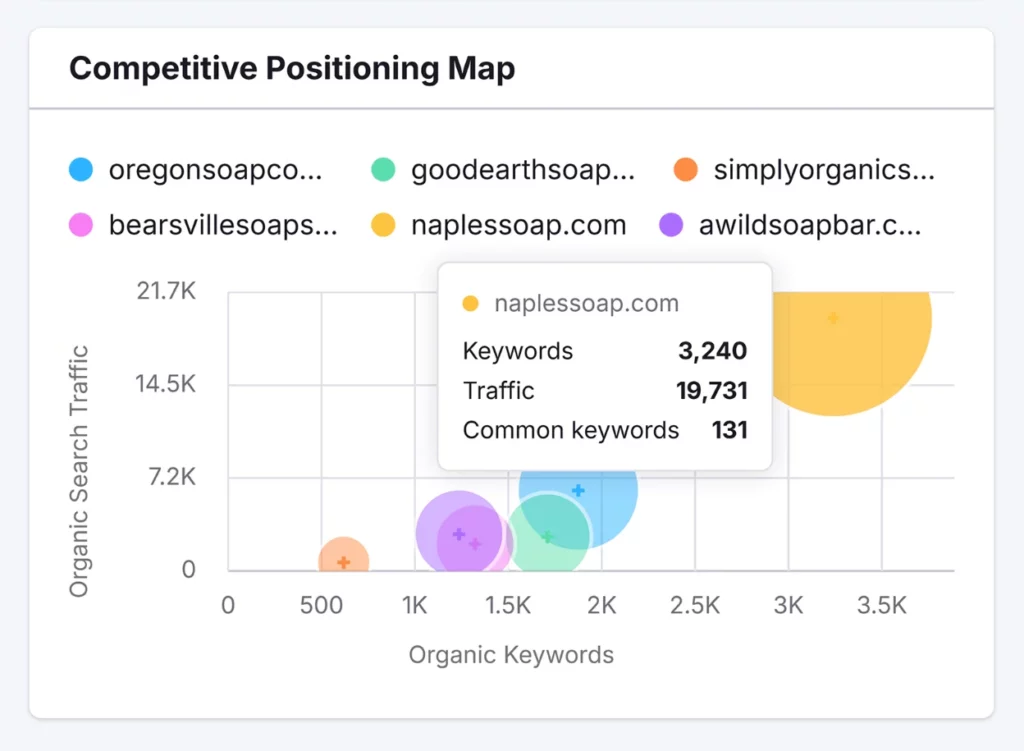
Understanding ‘True’ SEO Competitors vs. Business Rivals
It’s easy to think your SEO competitor is always the same as your business rival.
But this isn’t true.
| Aspect | SEO Competitor | Business Rival |
| Defined by | Competes for target search terms | Sells the same/similar products |
| You find them by | Checking who ranks for your main keywords | Seeing who shares your market |
| Example | A blog that ranks for “home loan tips” | Another mortgage company |
| Why they matter | Shows who has search share | Shows who to target with strategies |
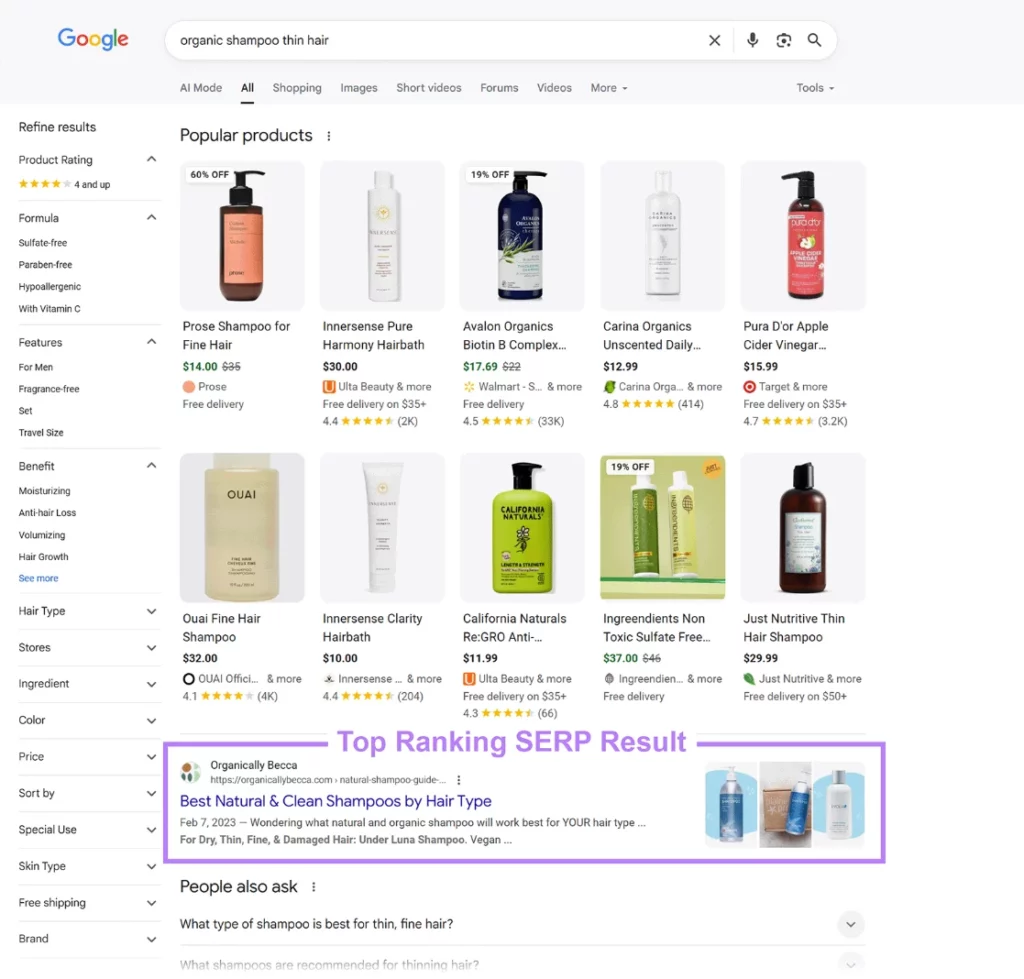
Let’s say you run an e-commerce site for sneakers. Your main SEO competitor could be a sneaker blog and not another shoe seller. Why? They rank for “best running shoes” and pull in shoppers you want. To get a real edge, always look for those ranking alongside you in search results. Competitor keyword analysis only works if you choose real SEO competitors and not just the usual business suspects.
How to Find Competitors’ Keywords
Step 1- Identify your key competitors, both in search and business. List their main sites.
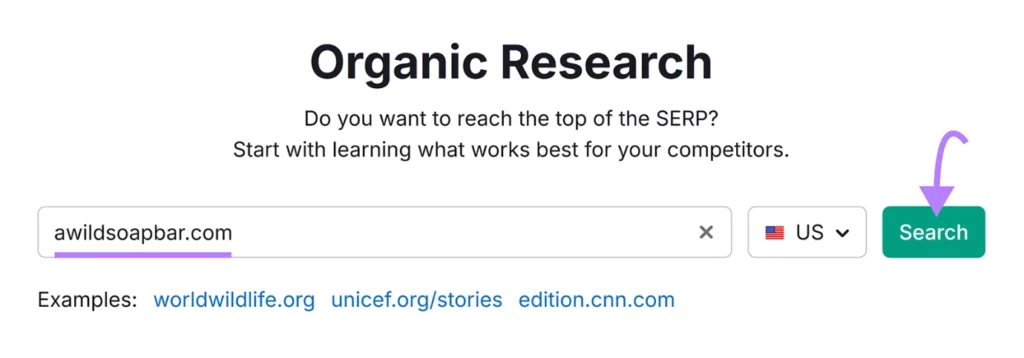
Step 2- Use tools like SEMrush or Google Keyword Planner to research keywords for those sites.
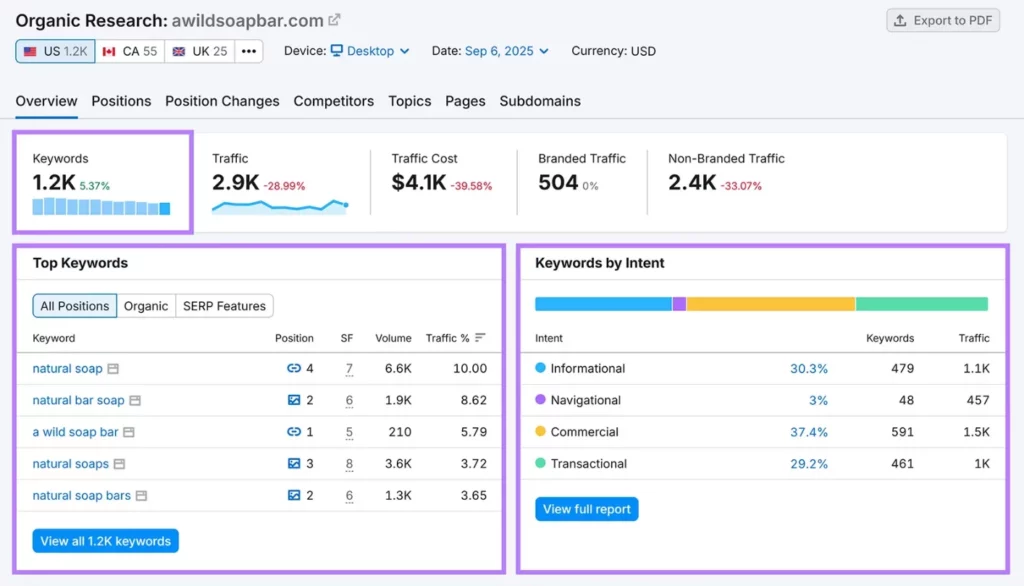
Step 3- Collect a full list of terms your target competitors. You’ll spot terms you missed, traffic drivers, and high-intent keywords.
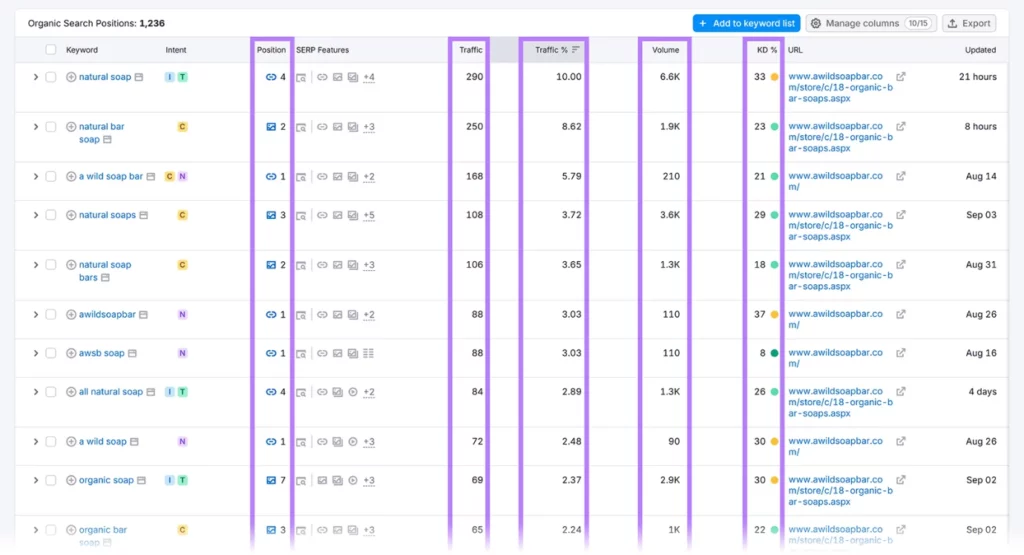
Step 4: Track which keywords get your rival’s traffic. Check both organic (free) and paid searches.
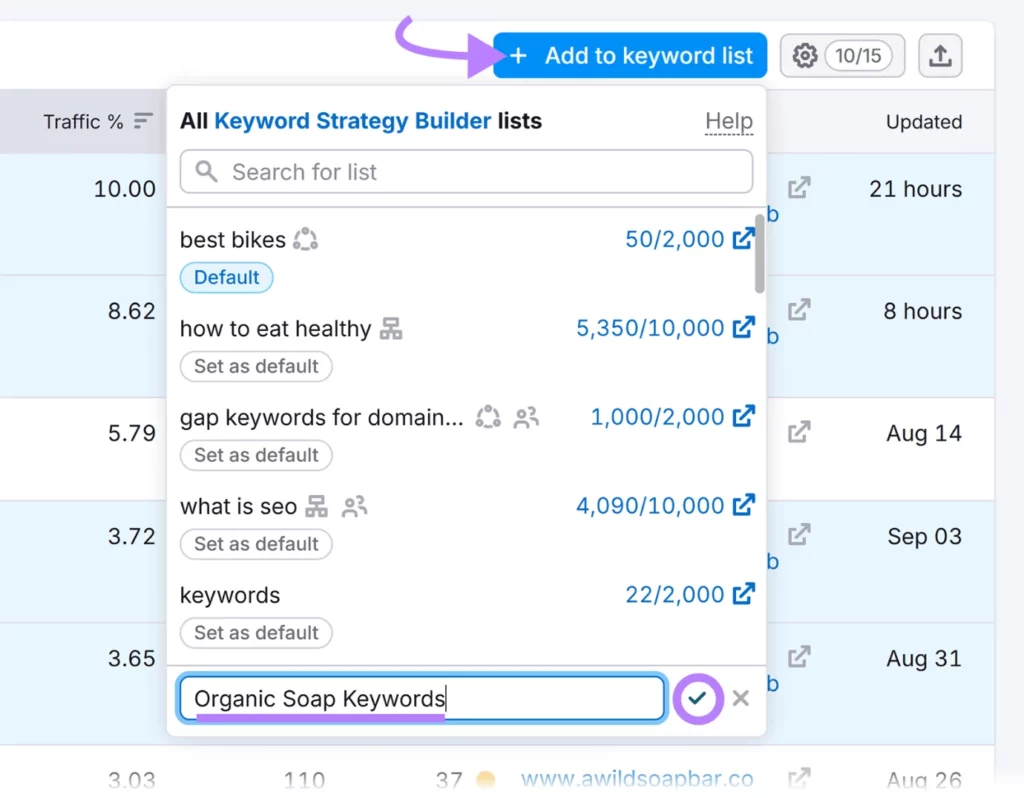
Step 5: Filter your list by search volume and keyword difficulty. This saves effort and gives you better data.
Check competitors keywords always with a tool first and never by guesswork. The best data always comes from platforms that scan millions of real results.
Check a Single Competitor’s Keywords
Here is how to see competitors keywords using leading tools. Start by choosing the biggest or most direct competitor in your niche. Then paste their website or landing page URL into SEMrush or similar platforms.
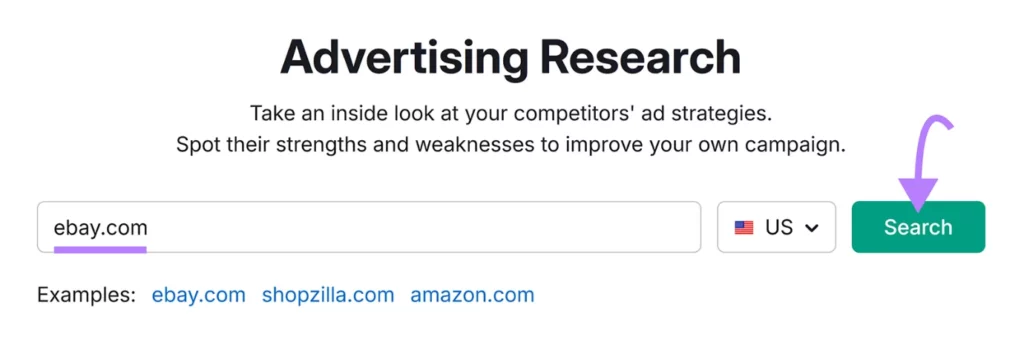
Make sure to set your preferred region or language so the data matches your market. The tool generates a snapshot of their entire keyword profile. It shows total keywords ranked along with which ones drive the most search traffic and their strongest landing pages.
Review their top organic keywords, and use intent filters to separate terms by what users want, whether they’re learning (informational), buying (transactional), or navigating (branded). Pinpoint the keywords that seem hardest to rank for, since these may need special attention or new strategies.
Look closer at which competitor pages attract heavy search interest, often indicated by high traffic and strong rankings. This is where you find ideas for new content and locate gaps in your own pages or topics your site hasn’t covered yet.
By studying all these factors, you’ll uncover missed keyword opportunities and get a clear roadmap for building relevant content that boosts your rankings. Even analyzing one competitor’s data gives practical, easy wins for new landing pages, blogs, or products you want to promote.
Compare Multiple Competitors’ Keywords
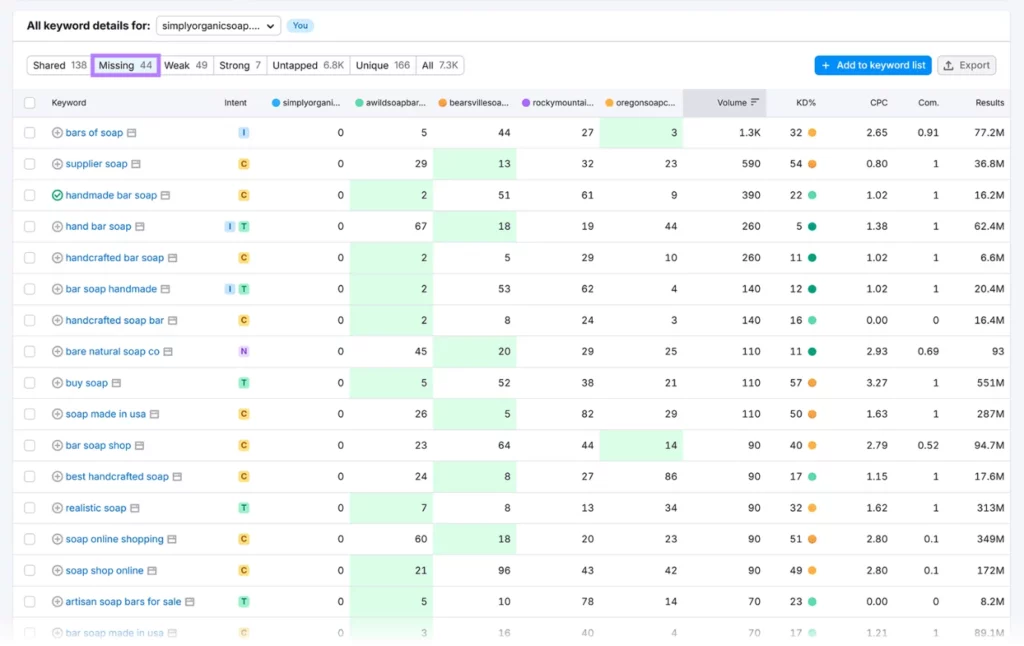
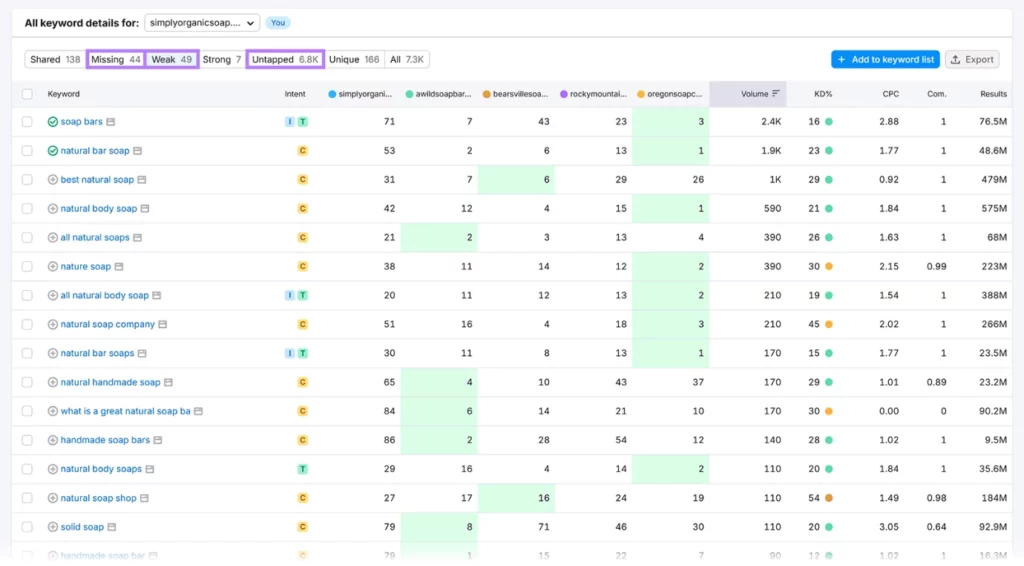
Side-by-side competitor keyword analysis with tools like SEMrush, Ahrefs, Moz, or Similarweb lets you compare up to 3–5 rival domains at once, giving you a clear map of who ranks for keywords you might be missing. Enter each competitor’s domain in the tool’s “Keyword Gap” or “Content Gap” section, and receive a detailed list of keywords all your rivals share, which you currently don’t rank for. This helps you spot valuable opportunities, especially high-volume terms or easy wins that no one in your team targeted yet.
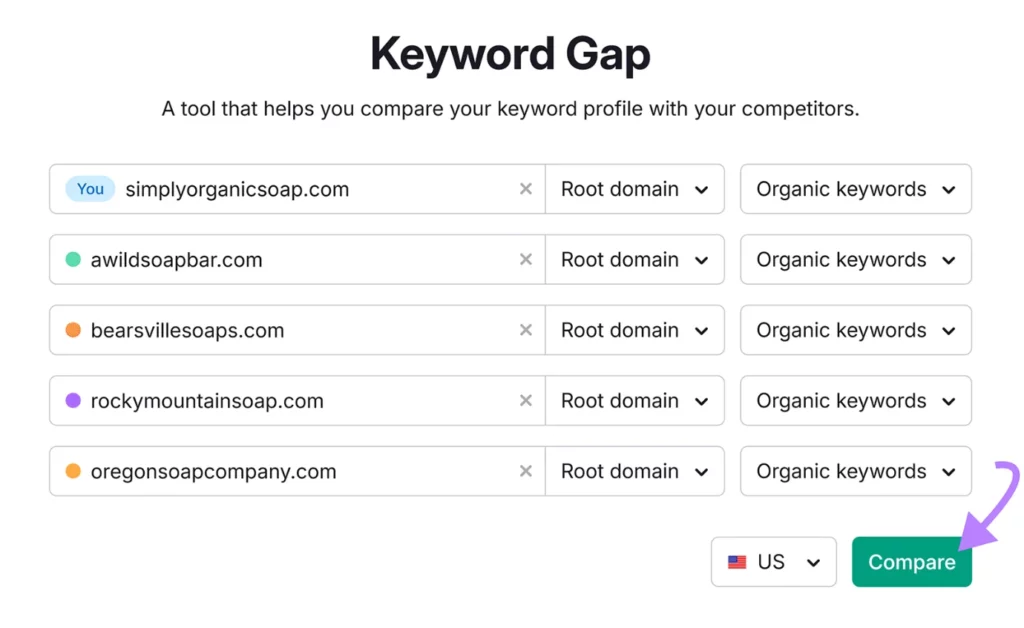
With built-in filters, you can highlight gaps where your brand lags, understand which keywords bring your competition the most traffic, and estimate the difficulty level to rank for each term. The process also reveals trending topics and questions your audience cares about, so you build new articles, guides, or paid campaigns from scratch and not recycling old ideas.
Multi-competitor comparison gives instant insight for SEO teams and even big brands, uncovering quick-win keywords and guiding content priorities. It saves time, focuses on actionable gaps, and brings clarity for building targeted strategies. In short, keyword competitive analysis gets faster and more strategic when these multi-site features are used, delivering fresh ideas and helping you leapfrog over your toughest rivals.
Keyword competitive analysis works fastest using these multi-site features. Even big brands use this to spot new quick wins.
Find a Competitor’s Paid Keywords
Paid search lets you see exactly which keywords your rivals pay for in Google Ads or other major ad networks, so you spot what they are targeting for leads and sales. To get this data, open the “Paid Search” or “Advertising Research” section in a tool like SEMrush, then enter the competitor’s website address. The tool shares a detailed list of all keywords they actively bid on, showing which terms they use to pull in customers and how much they focus on each.
You’ll also see the ad copy shown for those keywords, so you can study how they pitch and what offers or messages work best for them. This is a great way to identify not just popular keywords, but the actual messaging that brings clicks.
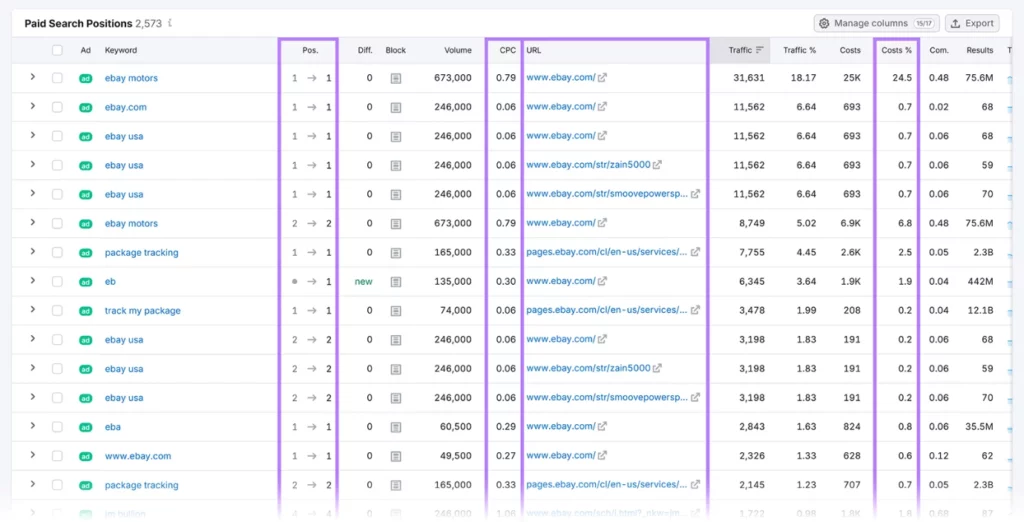
Pay close attention to:
- Keywords linked to their best-selling products or services
- Which search terms seem to trigger the most frequent ads
- Areas where your competitor spends heavily but you haven’t tried yet
Paid keyword analysis highlights your rivals’ highest-converting search terms, usually the ones delivering strong return on ad spend. It uncovers gaps, the places where no one advertises much, that you can fill with fresh campaigns.
Without this step, your keyword research competitor analysis is limited, as you only get part of the picture; integrating paid search data gives your strategy a real advantage by helping you prioritize keywords that convert and refine your own ad copy based on proven success.
Keyword research competitor analysis isn’t complete without paid search. You learn both where your rivals invest and what ad copy they believe will convert.
How to Choose & Use Competitor keywords
There’s a process you need to follow before you sprinkle keywords everywhere.
- First: Make a long list of terms you found.
- Next: Score each term on difficulty, traffic, and intent.
- Finally: Pick keywords that align with your content goals. It is best to avoid chasing search volume.
Balancing traffic potential with true intent keeps your site clear and focused. You don’t want low-value or off-topic traffic.
Always:
- Review your options in groups (branded, product, informational)
- Prioritize those that fit your brand’s unique angle
- Mix in easy-win terms with bigger targets
You want a list that matches your business’s strengths. Keyword competitor analysis is as much about fit as it is about volume.
Step 1. Evaluate Potential Keywords
Here’s a checklist everyone can use:
- Is the keyword easy to rank for, or is the competition fierce?
- Is audience intent clear like do people want information, or are they ready to buy?
- How much monthly search traffic does it get?
- Does our site already cover this, or is it a gap?
- Do competitors’ pages on this term look weak or strong?
Take basic notes:
- Add keywords that check most boxes
- Keep traffic high, but not at the cost of relevance
Manual checks help and don’t let tools make the final choice. The best keywords often feel obvious once you see them.
Step 2. Apply the Right Strategy
Once you select your top competitor keywords, use a smart approach:
- Use a main term as your page or heading focus
- Add related long-tail keywords inside your body text
- Map each term to a unique service or product page
Always:
- Write helpful content around these keywords
- Add reviews, FAQs, or comparisons to boost long clicks
- Use keywords in post titles, image alt text, and meta details
Keyword competitive analysis only works if you use real topics and not keyword stuffing. Build your plan with real advice, reviews, or how-tos, not just generic words.
Step 3. Track and Refine
Never “set and forget” your new list.
Do these every two weeks:
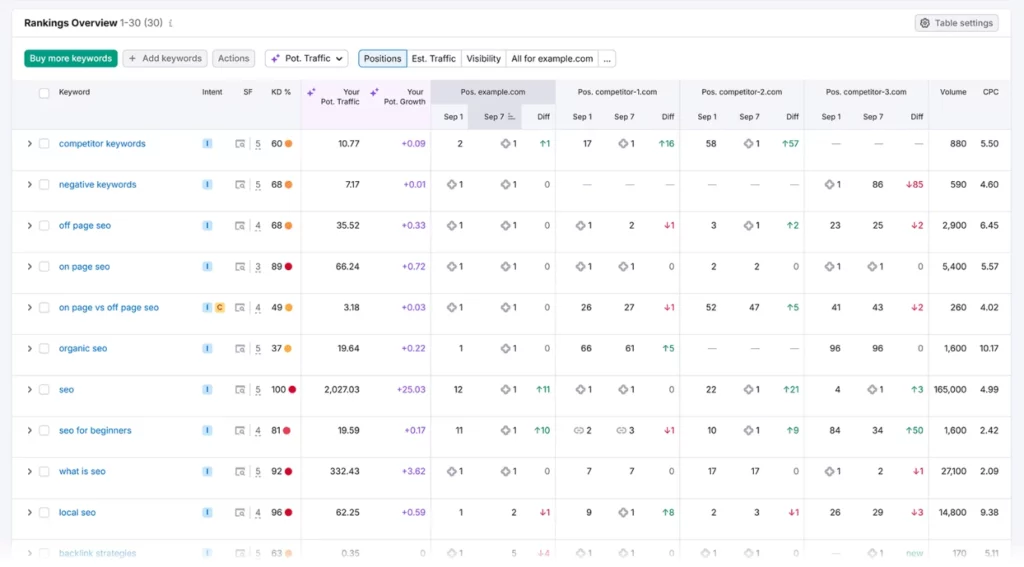
- Check rankings for your new and old keywords
- Update any pages lagging behind (use competitor content as your guide)
- Drop keywords that don’t drive real leads or visitors
- Add new terms as trends, products, or competitors shift
Quick tips:
- Use easy tracking tools and no need for advanced dashboards
- Track only your main target terms and not every single keyword
- Document what works and what doesn’t
This step keeps you nimble. Every good keyword competitor analysis is ongoing and you’re always learning from others and yourself.
Conclusion
Working with competitor keywords is less about stealing ideas and more about getting smarter.
Each step helps you learn where to focus your energy. This helps to ensure that nothing goes wasted.
Start small, use good tools and tweak your approach as you see results.
The goals are clear when you find competitor keywords–
- Higher rankings
- More site visits
- Better content ideas
- Staying a step ahead and not always reacting to rivals
You will see growth even in tough markets with strong competitors when you work with consistency.
Key Takeaways
- Find competitor keywords using search results and not just business rivals
- Use competitor keyword analysis tools to save time with data you can trust
- Always check both organic and paid keywords to spot high-converting potential
- Choose keywords to fit audience intent, not just search volume
- Make tracking and tweaking your keywords a short, regular task


FAQs About Competitor keywords

You can check competitors keywords using free tools and trial versions provided by leading platforms. Use tools such as SEMrush, Ahrefs and Google Keyword Planner. Just enter your competitor site using these tools to see top keywords ranked, traffic estimates and gaps you might be missing.
Paid keywords can be found using the advertising research areas in top SEO tools. Just type your competitor’s website into platforms like SEMrush or Ahrefs and you’ll see their paid search targets instantly. These features show what terms competitors spend money on, actual ad copy, and even landing pages they use for traffic.
Keyword competitor analysis delivers results when you select keywords that really fit your audience questions and your business goals. This is unlike copying every term you discover. Matching intent is important. This is because it brings qualified visitors who are more likely to convert into real customers, subscribers or leads.
Set up keyword tracking alerts in your favorite SEO tool such as SEMrush and Ahrefs once you publish new pages. You can also use any free tracker for each competitor keyword you want to monitor. Every tool lets you see keyword movements, index status and position changes. You can even see email updates or dashboards.
You can absolutely use the same keywords as your competitors for your paid ad campaigns once you research them. Then adapt your ad copy to reflect the strengths and deals of your own brand. Make sure your landing pages offer something unique so you stand out when users click through.