What Are SEO Metrics? A Complete Guide to Tracking and Measuring SEO Success

Learning about SEO metrics is the first initiative towards improving the search performance of a website. The metrics show what works, and doesn’t work and what needs fixing for an enhanced website’s performance, ensuring the website truly stands. More businesses are using metrics as signals rather than generic marketing numbers. It makes tracking important than before to get effective outcomes.
If you understand which SEO metrics to measure SEO performance, you have a clear idea of marketing, planning, and reporting, to improve the website’s reach.
Recent studies show that almost 58 per cent of marketers now rely on performance metrics for decision-making and plan marketing strategies for a website.
What Are SEO Metrics?
If you consider SEO metrics meaning, it is the numbers that show how well your site performs in search. Metrics analytics help gather knowledge of the website’s progress and identify the areas that need attention. This helps the website grow. Here, data-driven decisions are suitable for making proper marketing plans.
SEO teams also pick parameters such as scroll depth and user behavioral patterns in search data. It helps understand more than just the rankings and how users behave when they visit the website for the first time.
The metrics include clicks, impressions, keyword rankings, and conversion rates. Together, they show whether the strategies are performing well to boost visibility and brand value.
Is It Different From SEO KPIs?
One should not confuse SEO metrics with KPIs, but they serve very different purposes. Metrics indicate the performance signals, while KPIs are the long-term targets impacting the business outcomes. For instance, organic traffic is a metric. Increase organic traffic by 25
A simple way to determine the difference is this – metrics show movement, while KPIs direct the way. A website with good metrics helps grasp better insight into what its strengths are and what needs to be fixed.
A recent report shows how marketers are making KPI-focused plans. In the 2025 industry report, 67 per cent of SEO teams consider every performance metric to be a KPI while planning a marketing campaign, and reduce the guesswork for positive and improved outcomes.
When KPI and SEO metrics work together, it increases website visitors with an enhanced conversion rate. If you can identify what the business wants to achieve, it is easy to decide on the metrics, making it easy to achieve your goals. This is how SEO metrics to measure SEO performance work effectively.
Here’s a quick breakdown:
| Aspect | SEO Metrics | SEO KPIs |
| Definition | Raw numbers that show activity | Goals tied to business results |
| Example | Keyword rankings, clicks, backlinks | Grow organic traffic by 25% |
| Purpose | Measure performance signals | Show progress against goals |
| Common Mistake | Focusing on vanity stats | Setting goals without tracking the right data |
Common Mistakes the Team Can Avoid
- Track too many metrics without knowing the actual one
- Ignoring the leading indicators and not fixing them
- Setting unrealistic KPIs and not focusing on the ones that bring in revenue
However, a strategist says that metrics show a picture of what has happened, and KPIs measure the performance rate.
10 SEO Metrics to Track
Tracking the wrong data can be a waste of time and often similar to not tracking. So, what should tracking be based on?
Measuring or tracking the wrong metrics will never show optimal results. You should focus on SEO metrics to track what matters most. The right measurements show whether your time and money are being spent wisely. A SaaS founder suggested that focusing on only the core metrics can lower the reporting time by almost 60 percent and improve the clarity.
Website outreach has to do more than build links that increase ranks. It should drive in trust and web traffic. The following ten metrics give you a clear view of both the big picture and the small details. Each one tells you when your SEO outreach is helping or just filling up spreadsheets with useless numbers.
Here are the top SEO key metrics to watch.
Organic Traffic
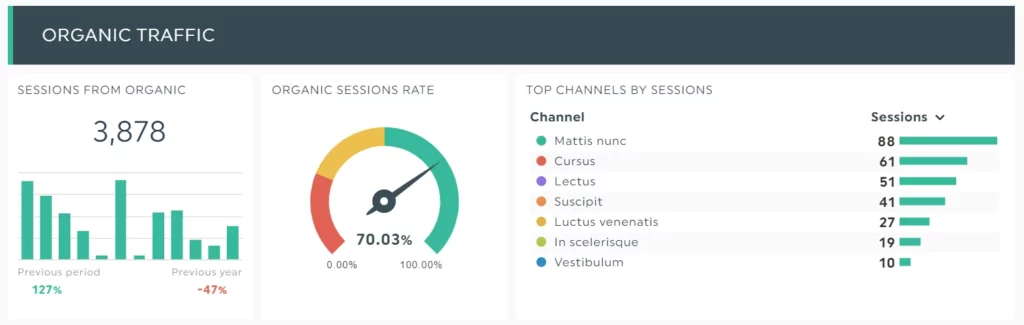
Organic traffic shows the number of people you get from search engines. It shows content and brand outreach impact on your searches. Organic visits should rise steadily when your link building is working. Tracking SEO performance metrics like organic traffic helps you see whether all those emails and guest posts are leading to actual clicks.
Did you know that almost 53 percent of website traffic is from organic search? This is a vital traffic essential. Try to consider a search control insight to compare the website’s growth rate. Just remember, traffic alone does not equal results, and it is step one in measuring success.
Ways to Track:
- Use Google Analytics to check the sessions and users
- Check the growth rate monthly
- Section the visitors into new and returning
This metric ties directly to outreach because quality backlinks help your pages rank higher, which naturally brings in more visitors. Tracking SEO performance metrics like organic traffic helps you see whether all those emails and guest posts are leading to actual clicks. Just remember, traffic alone does not equal results, and it is step one in measuring success.
Keyword Rankings
Keyword Rankings
Keyword rankings show where your pages appear in search results. Tracking helps judge how effective the links are and how relevant the content is. This is among the SEO important metrics because it connects outreach directly to visibility. A case shows how a retailer improves conversions by focusing on the rank movements using revenue-driven keywords.
Here is how to track it-
- Use tools like Ahrefs, SEMrush or Google Search Console.
- Monitor rankings for a set group of target keywords.
- Check both desktop and mobile results.
Search Visibility
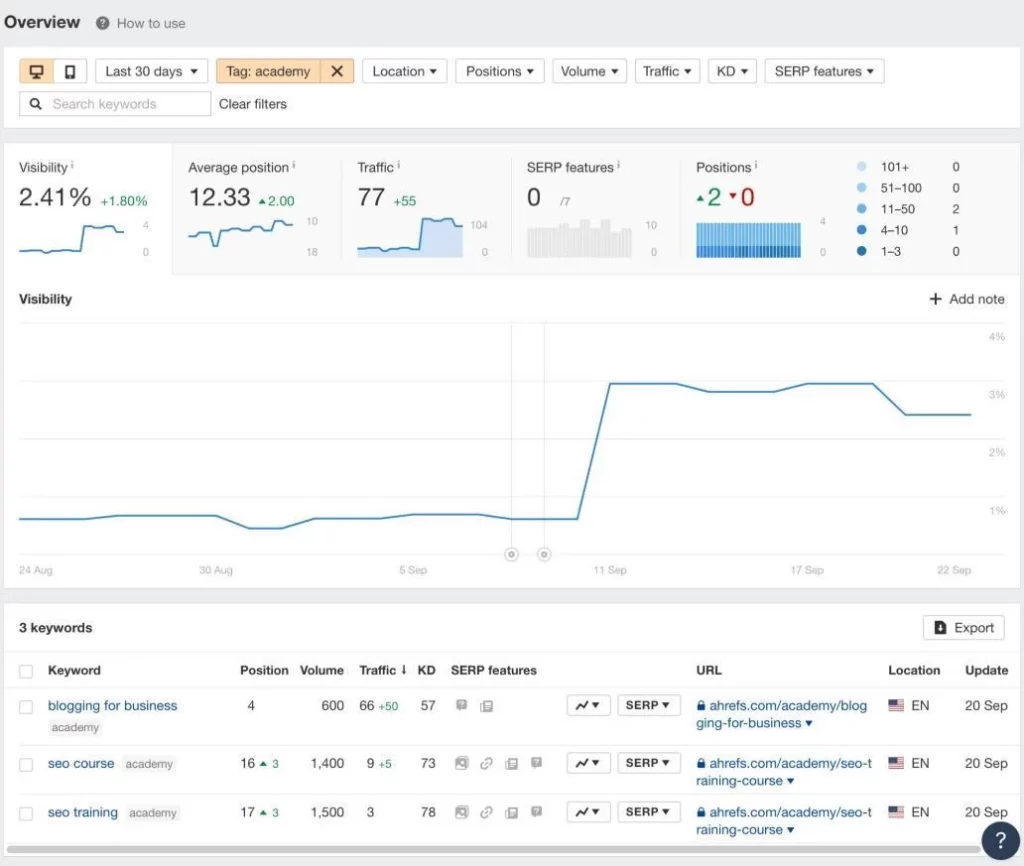
Search visibility measures how often your website appears across search results for your target keywords. It is broader than rankings and shows the overall website’s performance. This further gives an idea of what should be improved for better performance and driving in traffic. Visibility determines the presence, and low visibility is an indicator that you need to work on the metrics effectively, for better reach among the target audience.
You can track this through tools like SEMrush or Ahrefs, which give a percentage score of visibility. A higher score means more people are seeing your site, even when they do not always click. This makes it a practical SEO metric to track since it shows reach beyond just clicks.
Vital Points to Check:
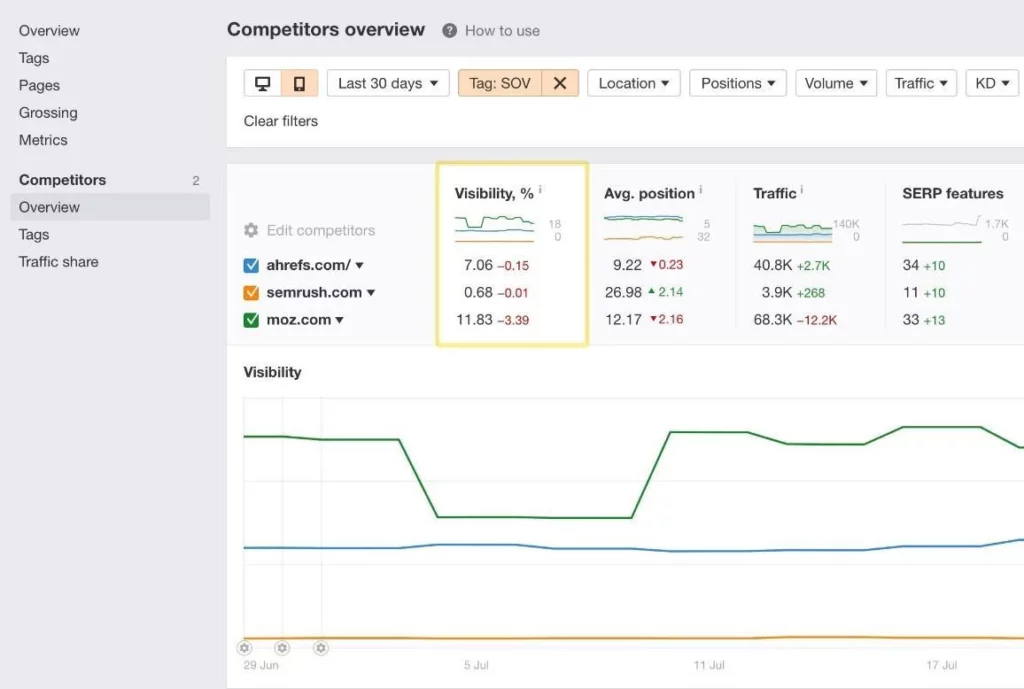
- Keep track of the visibility trends
- Look for the relevant keywords that drive traffic
- Compare with the competitor’s website to notice what’s winning over your website
This metric ties directly to link building because strong backlinks increase the chance your pages appear in search. More visibility usually means more traffic opportunities down the road.
Traffic Value
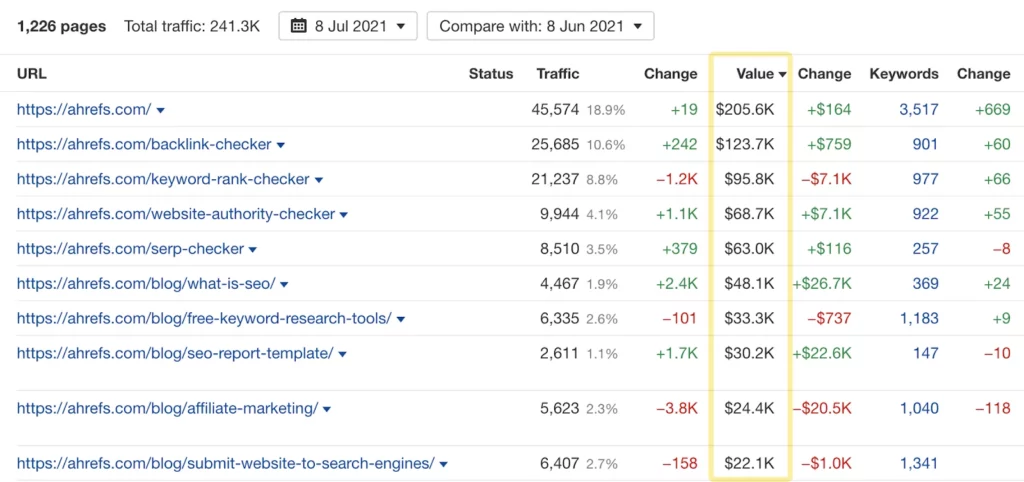
Traffic value estimates the worth of your organic traffic if you had to buy it with ads. It shows how profitable your SEO strategies are to drive website attention. It puts a dollar figure on the impact of your search performance. For link-building outreach, this is a reality check. If you’re spending time chasing backlinks, you should see traffic that has measurable value.
How to measure:
- Use Ahrefs or SEMrush to get an estimated traffic value for your domain.
- Compare your value with competitors in your space.
- Track changes as you earn new backlinks.
This is one of the most direct SEO performance metrics because it shows whether your links and content are producing traffic that would otherwise cost you real money. If traffic value isn’t moving up after a campaign, that’s a sign your outreach isn’t hitting the right sites or keywords.
Organic Traffic Conversions
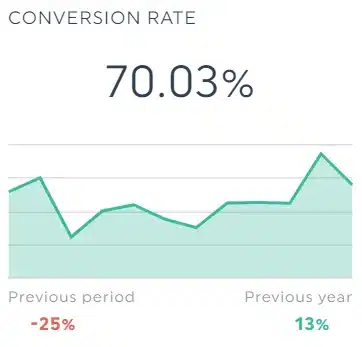
Traffic is good, but conversions are better. Organic traffic conversions measure how many visitors end up buying a product and become a customer or a lead. This connects the ranks and website clicks to the business outcomes. That’s how SEO matters in metrics, and an optimised website can go a long way, then others can.
Ways to track it:
- Use Google Analytics to set conversion goals
- Divide the conversions by the traffic source (organic vs paid).
- Measure changes after link-building campaigns
Backlinks from the right sites often bring in more qualified visitors, and qualified visitors are more likely to convert. Your outreach might be attracting the wrong audience when organic traffic is rising, but conversions stay flat. That is why this metric is a reality check. It does not just show when people are coming to your site. It shows when they are taking the steps that matter.
Referring Domains
Referring domains count how many unique websites link back to your site. More important than raw backlink numbers, this metric shows the breadth of your link profile. A hundred links from one site are not as strong as ten links from ten different sites. Here, quality is more important to measure than quantity. There are new tools that send an alert when new domains link to your website page.
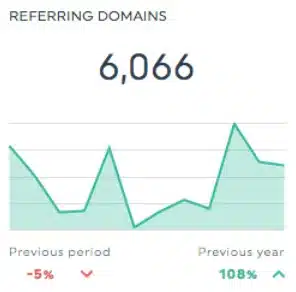
Tracking metrics for SEO, like referring domains, helps you spot two things:
- Better outreach results in expanding your network
- Just repeating the same sources
Ways to track:
- Use Ahrefs or SEMrush to see your referring domains.
- Check authority scores to filter strong sites from weak ones.
- Track growth over months to see steady progress.
The quality of referring domains matters as much as the quantity. Links from trusted and relevant sites carry more weight than including a number of low-quality links. If outreach emails keep earning weak domains, your strategy needs adjusting.
Indexed Pages
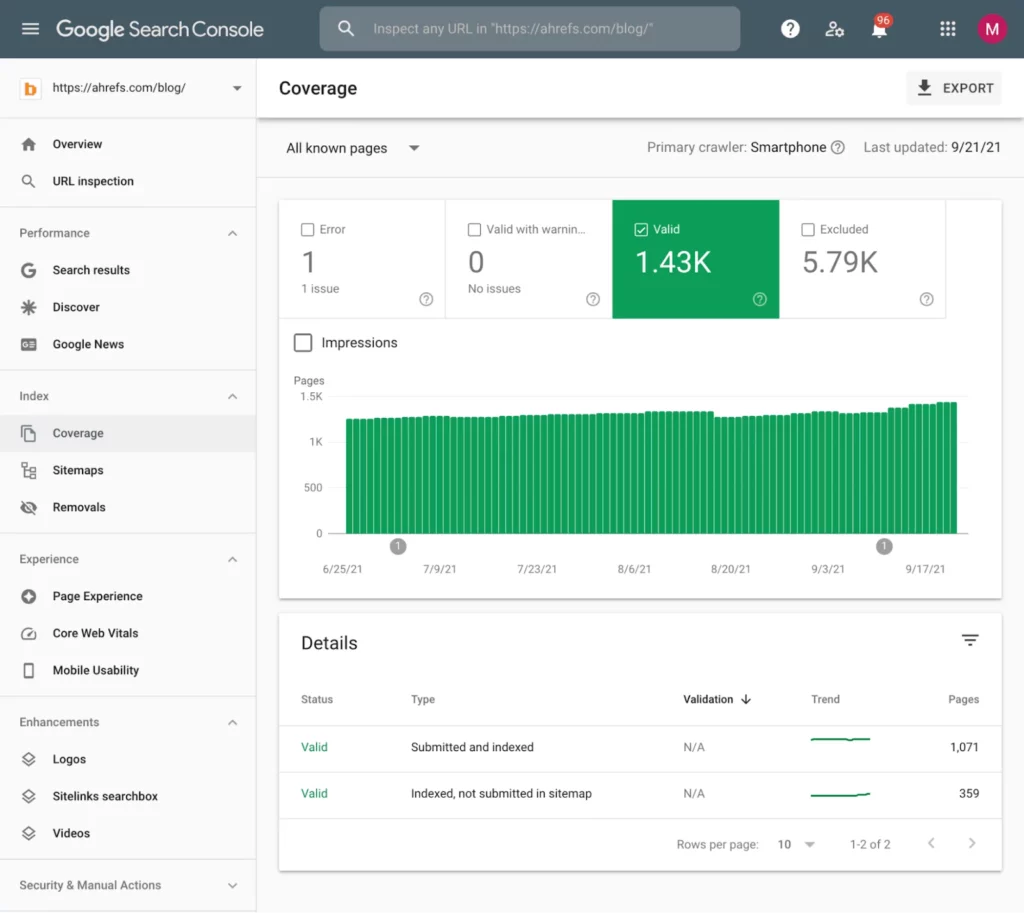
Indexed pages show how much of your website data is stored under the Google index. A page will not show up in search at all when it is not indexed. This is regardless of how many links point to it. That is why tracking the number of indexed pages is one of the search engine optimization metrics that sometimes gets overlooked.
Ways to check:
- Use Google Search Console for the coverage report.
- Compare total published pages vs indexed pages.
- Monitor after publishing new content or building a link
Why it matters: if your outreach is bringing in backlinks to a page that isn’t indexed, you’re wasting effort. Indexing is the foundation. Backlinks and rankings can only work when the page is visible to search engines. So, before you scale outreach, make sure your important content is in the index.
Index Coverage Errors
Index coverage errors show where search engines struggle to access or index your pages. These issues might include server errors, blocked pages, or redirects gone wrong. Coverage errors should be fixed quickly as they block the website’s visibility. This makes them one of the most practical SEO metrics to track, especially alongside link building.
How to track:
- Use Google Search Console for Index Coverage report
- Watch for “Error” or “Excluded” pages
- Fix errors quickly, especially on pages with strong backlinks
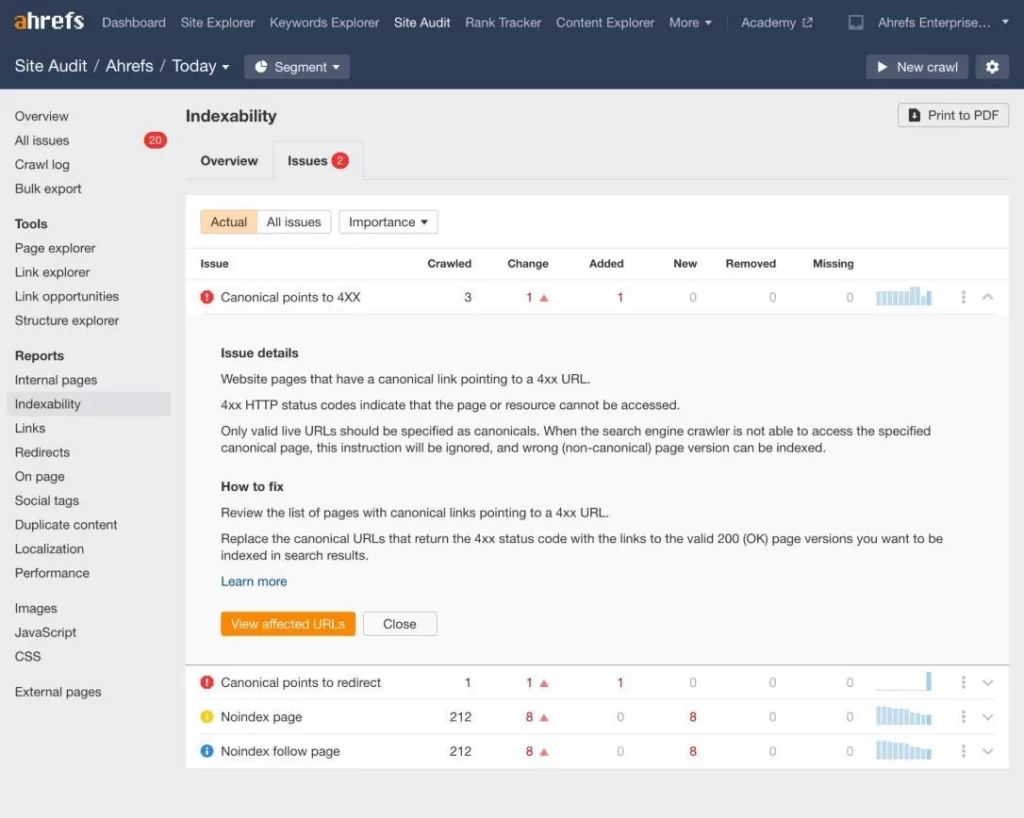
Healthy indexing ensures that every link you build passes value. Outreach and technical SEO go hand in hand, ignoring coverage errors can undo months of hard work.
Core Web Vitals
Core Web Vitals measure how fast and user-friendly a website is. Google tracks the loading speed, ease of interactivity and visual stability. Even when you have built strong backlinks, a slow site may suffer from quality web traffic. That is why Core Web Vitals have become one of the SEO performance metrics that matter most.
How to track-
- Use Google Search Console to get Core Web Vitals report
- Focus on three metrics: Largest Contentful Paint, First Input Delay and Cumulative Layout Shift.
- Check performance on both desktop and mobile.
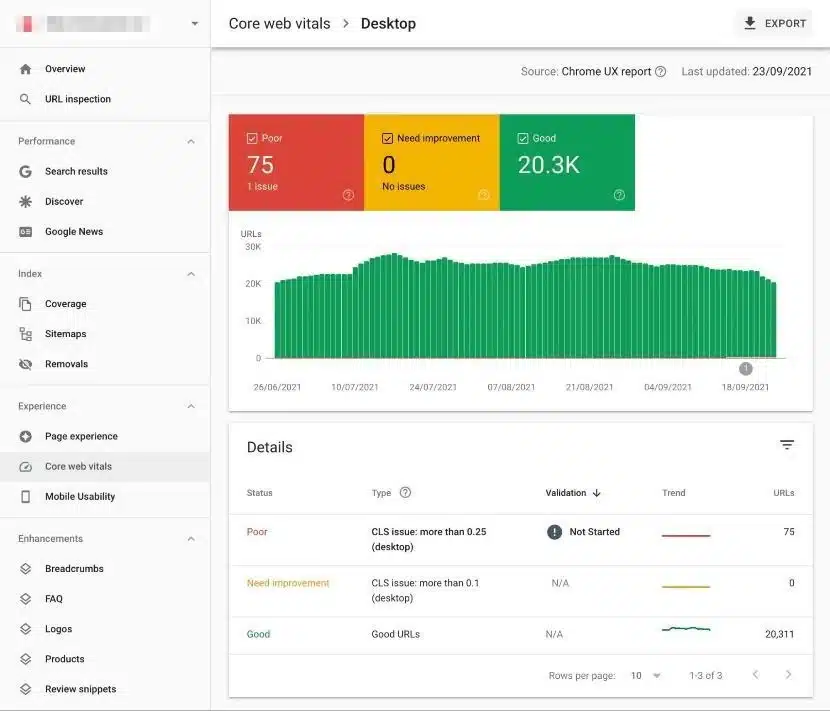
This matter because users will not stay when a site loads slowly or shifts around while they scroll. Backlinks may bring visitors but poor page experience can drive them away. Monitoring and fixing Core Web Vitals ensures your outreach efforts lead to satisfied visitors who actually stick around.
Website Health
Website health score is a broad conception that shows the overall technical stability of your site. Tools run audits and give a health percentage based on errors, warnings and passed checks.Why does it matter? A weak technical foundation can interrupt the SEO performance of a website, when the SEO’s important metrics also get overlooked. Broken links, slow pages or duplicate content can waste the authority you gain through outreach.
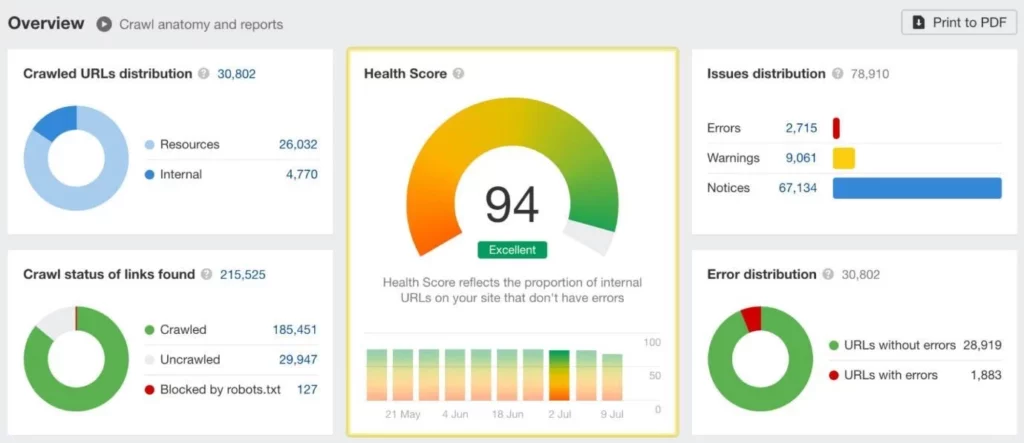
How to track-
- Run regular site audits in your preferred tool.
- Watch for recurring technical issues.
- Prioritize fixing high-impact problems like broken internal links or crawl errors.
Think of website health as preventive care. Outreach builds authority, but authority only sticks if your site can handle it. Keeping your technical base strong makes every backlink more valuable.
Mistakes to Avoid For Tracking Metrics
- Tracking too many metrics together
- Overlooking the technical faults
- Not checking the metrics against the goals
- Focus only on ranks
- Rely on the metrics, such as impressions
Comparing the Table of Old SEO vs. New SEO
| Old SEO | Modern SEO |
| Focus on keywords | Focus on users’ behavior and conversions |
| Manual reports | Use of Automated dashboards |
| Rankings are vital metrics | Use of both ranks, conversions and user experience |
| Use of quality backlinks | Use authoritative and relevant backlinks |
Steps for Effective SEO Tracking weekly
If you want to ensure the website’s performance with SEO strategies weekly, the follow tips can help:
- Keep a track of the current trends
- Review the keyword performance
- Track the conversion rates
- Check the new domains that work effectively
- Inspect the coverage issues
However, a marketer has to track any sudden rise in SEO metrics on the website. The SEO metrics checker analyses the root cause of a website slowdown. It is better to fix the issue soon, as it prevents losing web traffic.
Conclusion
Learning to keep a close eye on SEO metrics creates clarity and accountability. If decisions are backed by numbers, it is easy to plan strategies that positively impact the growth of your website. Setting weekly or monthly routines to review SEO key metrics that keep tasks grounded in real progress.
Choosing the most impactful SEO metrics to track rather than every option on the dashboard turns confusion into clear direction. Every marketer, business owner, or team wins more confidently by seeing, not guessing, what the data shows. Pick the right search engine optimization metrics, watch how they change and keep using them to plan what’s next.
Download the free SEO metrics templates and track your website’s performance confidently, and get clarity.


FAQs on SEO Matrics

Track web traffic, conversion rate, and ranks to measure SEO metrics. SEO success is more than basic tracking. Brands also check user engagement, search intent, and the overall revenue impact. Such attributes help understand which pages lead to conversions.
Vanity metrics are how good your brand impression is, whereas bottom-line metrics are about the conversions, impacting real SEO. Some strong indicators are website engagement time, the scroll depth, and keyword relevance that help count clicks. It further reflects the quality of content rather than the brand’s visibility.
Google Analytics, Google Search Console, and tools like Ahrefs, Moz, or SEMrush are the most used. The advanced tracking tools are better suited for a detailed idea of the user actions. You can strategically place the keywords and make the most of them.
Organic traffic, keyword growth, conversions, and referring domains are KPIs supported by core SEO metrics. Businesses also monitor engagement signs, page experience, and page authority. The number of returning visitors also contributes to bringing in better brand trust.
It usually takes three to six months. Strong backlinks and solid SEO important metrics speed things up. The time taken to show results also depends on the niche industry. Consistency is important, and try to find the trends in how the new pages rank.
SEO metrics measure visibility, engagement level, and conversion rate. It guides future marketing decisions and helps refine content. No matter the strategy you decide, it should align with business goals.
A website’s SEO is impacted by slow loading pages, broken links, or index issues that restrict the website’s visibility. It leads to a poor user experience.
Weekly checks are best to catch errors early. Besides, the monthly reviews help grasp a better idea of the long-term changes and adopt suitable trends that show positive results.