Search Engine Positioning Explained: Improve Your Rankings in 2027

Trying to boost your visibility online sometimes feels like running a marathon with no finish line in sight. Many business owners pour their energy and money into updates. They hope that the search engines will finally notice their efforts.
If that rings a bell, rest assured you’re not the only one wrestling with uncertainty around rankings. After years immersed in the world of search engine positioning, watching clients go from “barely there” to “top three for high-value keywords,” one thing is obvious: clear, practical steps work.
You don’t need magic, insider secrets, or fancy jargon. You need a solid explanation and easy wins and that’s exactly what you’ll get here.
What Search Engine Positioning Really Means
Let’s cut to the chase: search engine positioning isn’t a buzzword or a vague idea. It’s the spot your web page occupies on search engines for specific queries. It’s not about the whole website; it’s a focused look at how each product page, service, or blog post fares when someone googles a keyword that matters to your business.
One practical search engine positioning example: imagine your restaurant’s online menu landing at the top of results when someone searches for “best dinner spots near me.” That’s search engine positioning at work.
This approach, sometimes called search engine positioning SEO, isn’t another layer of mystery to unravel; it’s taking what’s already on your website and nudging every page forward. There’s a kind of satisfaction seeing your local business or niche blog inch up the ranks, especially after you’ve made small adjustments that suddenly net new visitors and phone calls. It’s one of the few marketing moves that feels as direct as it is rewarding.
Why Businesses Can’t Afford To Ignore Search Engine Positioning
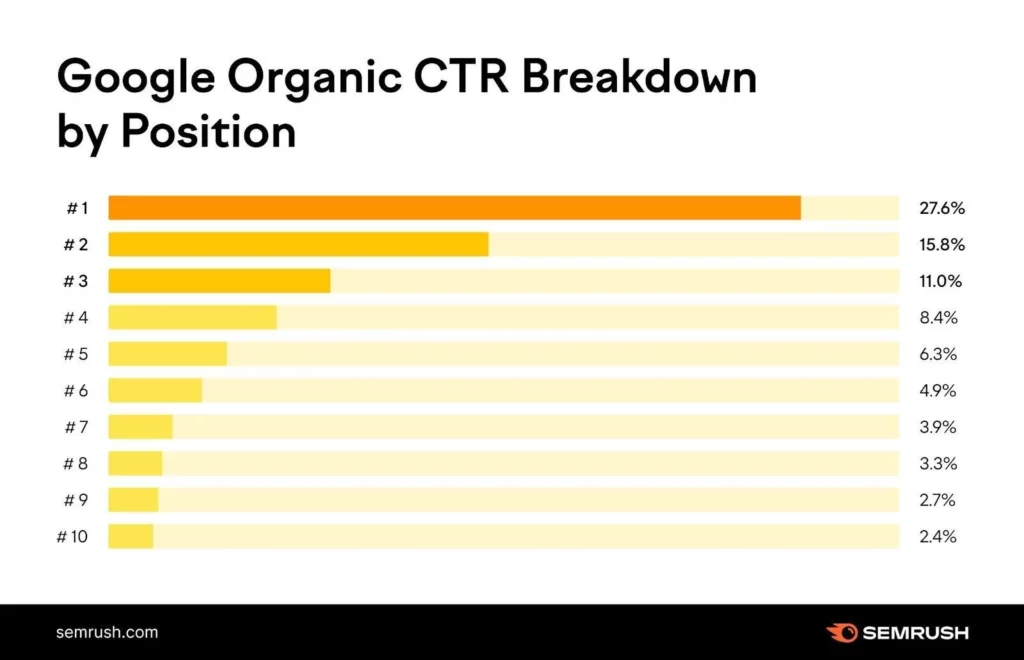
Think about what happens to the majority of websites: you pour your soul into your content, but then nothing. You’re buried so deep in results no one finds you. Over 44% of Google searches are for brands. That is why it is fair to say, you feel frustrating. Search engine ranking position is what decides if your efforts pay off. That is where page one placements get more clicks, more interest, and way more potential customers.
That’s where search engine placement steps in. It’s not glamorous, but it’s the difference between someone choosing you or scrolling past to a competitor. The numbers back this up, too. Organic search still drives the most valuable traffic (the kind that’s ready to act), and a bump in your search engine position ranking almost always leads to more inquiries and sales. It’s tempting to brush off ranking tactics as “just another thing businesses have to deal with,” but smart brands treat SEO positioning as the heartbeat of their digital marketing.

How Search Engines Determine Positioning
Search engines aren’t using guesswork when they decide where your pages land in the results. They follow a pretty logical process, even if the inner workings aren’t fully transparent. Your site’s search engine positioning boils down to how well each page matches what people are searching for and whether your content actually deserves a top spot for those terms. Those behind-the-scenes algorithms crunch lots of signals.
There’s no denying it: sharp, original content gets noticed first. Sites that lay out information simply and answer real questions tend to climb the search engine ranking position faster. On-page details like keyword choices and clear meta tags help the algorithms understand your intent; search engine placement feels like a natural result when everything aligns. Backlinks still matter. If respected sites recommend your page, that’s a big trust signal for your search engine position ranking.
If someone lands on your site and sticks around, that says something positive about user experience and Google’s watching those patterns. Load speed, mobile-friendliness, and easy navigation all help signal your site’s value.
Most search engines keep their secret sauce to themselves, but anyone working on SEO positioning knows that covering each base is smarter than trying to guess what influences rankings most. Take an inclusive approach where there is strength in every area drives long-term success.
The Surprising Benefits Of A Strong Search Engine Positioning
A higher placement doesn’t simply pad your ego. It brings real gains you can measure in traffic, leads, and trust. Below are a few reasons to make this a core priority:
- When your pages climb, your brand doesn’t quietly blend into the crowd. You actually show up more often, and people start remembering your name. That’s the real impact of better brand visibility.
- More organic traffic doesn’t feel accidental either. It comes from matching your best content to the search terms clients care about right now, and nothing beats that steady stream of interested visitors to your site.
- Getting a competitive advantage doesn’t require huge budgets. When your search engine positioning SEO bumps you ahead of the local competition, you start winning customers they used to count on.
- Over time, greater brand recognition builds up. When you consistently appear in search results for valuable keywords, people begin to trust, recognize, and recommend your business. Word gets around quickly, especially in niche industries or tight-knit communities.
Search Engine Positioning vs. SEO: Let’s Clear Up The Confusion
Sometimes people use “SEO” and “search engine positioning” like interchangeable twins. They aren’t. SEO, in a broad sense, is everything you do to help search engines understand and love your entire website, including technical improvements, page speed tweaks, and building up backlinks. Think of it as tuning up your car so it’s safer, faster, and more fun to drive for years.
But search engine positioning example strategies? They’re about getting that specific product or article page to rank higher for a select group of keywords, as soon as possible. It’s more like putting high-octane fuel in the tank before a road trip. It gets you moving faster right now.
Here’s how they break down:
- Main Focus: SEO is broad and ongoing, almost always tied to the entire domain. Search engine positioning SEO is all about immediate, page-level wins for critical terms.
- Timeline: Traditional SEO is a marathon and results build slowly. Updates tied to search engine placement while changing a headline, improving a meta description, using targeted keyword research. It can offer faster improvements in limited but lucrative areas.
There’s a time and place for both. But in 2027, paying close attention to your search engine position ranking for money keywords is still where most businesses see their best quick wins.
| Aspect | Search engine positioning | SEO (Search Engine Optimization) |
| Definition | Focuses on improving the ranking of specific web pages for targeted keywords | Broad strategy optimizing a website’s overall visibility and usability |
| Main Goal | Boost search engine ranking position for individual pages | Increase organic search traffic through technical, content, and backlink improvements |
| Approach | Targeted keyword-centered adjustments on page-level content | Comprehensive site-wide tactics including technical SEO, on-page, and off-page SEO |
| Timeline | Can show quicker impacts on specific keyword rankings | Usually longer-term, gradual improvements across the whole website |
| Key Focus Areas | Meta data, content relevance, user intent for specific keywords | Site architecture, link building, page speed, mobile-friendliness, content quality |
| Tools Commonly Used | Search engine position tracking tools (e.g., Semrush Position Tracking) | SEO audit tools like Ahrefs, SEMrush, Google Search Console |
| Measurement | Tracking search engine position ranking and performance per keyword | Monitoring organic traffic, bounce rates, keyword ranks, domain authority |
| Ideal For | Quickly improving visibility for key products or services | Building sustained, broad online presence and authority |
Best Practices To Improve Your Search Engine Positioning
Let’s get practical. If you are waiting for instant miracles, you’ll probably be disappointed but with focused effort, anyone can see progress. Here’s what helps in the real world:
Create High-Quality, Targeted Content
No two ways about it: you must have content tuned to the questions and needs of your audience. That can mean case studies, step-by-step guides, or updated service pages. As an aside, sometimes the “best” content is not the flashiest one. It could be a well-organized FAQ or resource list often pulls in more traffic than a long-winded blog. Keep it simple, useful, and relevant to your search engine positioning SEO needs.
Refresh What You Already Have
Don’t let good stuff gather dust. Review old pages for outdated info, broken images, or missing stats. A quick update, a new intro, or clearer calls to action can wake up a post that search engines forgot. It’s a bit like tending to a garden: a little attention keeps things alive and drawing in new visitors.

Dial In Your On-Page SEO
If all you do is add keywords, stop. Take time to craft strong meta descriptions, use clear headlines, and check that your URLs are tidy and readable. Even swapping out stock photos for unique images, or adding schema markup, can give your search engine position tracking efforts a boost. The extra polish counts, even when it seems minor.
Mix in patience, because real gains and not weird traffic spikes will show up consistently as your approach matures.
How To Measure Your Search Engine Positioning
Checking your ranking isn’t something to do once and forget. Smart marketers and business owners watch their site’s search engine position ranking like they check their sales regularly, and with purpose.
- Use Semrush’s Position Tracking
This tool makes things easy to visualize. It shows you exactly where your chosen pages rank for selected keywords. You can spot new climbs, sudden drops, and slow upward trends, all in friendly charts. It is honestly addictive. Sometimes you will check just to see if a tweak from last week moved the needle at all.
- Use Google Search Console
If you’ve never peeked at this dashboard, give it a try. It tracks which queries bring in impressions, how often your pages get clicked or ignored and what keywords you may be missing out on. Over time, search engine position tracking using Search Console becomes second nature. This is how most digital marketers spot issues before they turn into missed chances.
Conclusion
In the end, there’s no magic answer to dominating Google. But there’s also no mystery. With consistency, honest tracking, and smart adjustments, you will see meaningful shifts in your business’s search engine placement. Consistency always wins in this space, especially if you’re pursuing stronger search engine positioning SEO with detailed content refreshes and targeted updates.
Most growth comes from embracing natural changes in user behavior, testing new headings, and staying open-minded with your SEO positioning. Optimizing your presence, updating content as needs change, and measuring your wins and losses. This is how the results follow.
Key Takeaways
- Search engine positioning SEO is about the specific placement of your site’s content, not the whole site at once.
- Improving search engine ranking position delivers tangible gains attracting more eyes, more trust, and more sales from real web users.
- Boost your outcomes by keeping content fresh, tracking your exact rankings, and fine-tuning what actually matters for your search engine placement.
- Progress is often quiet and steady rather than explosive. Stick with it, and you’ll see steady improvements in your search engine position ranking.


FAQs About Search Engine Positioning

Target a few very specific search terms with focused, well-written pages, then monitor your progress with search engine position tracking tools. Avoid spreading yourself too thin; instead, give your main service or product a dedicated, keyword-optimized page and keep refining it until you see movement.
Update your most valuable pages once every quarter or any time you notice rankings slip or major industry changes. Even small refreshes such as adding stats or a new FAQ, can lift your search engine placement.
Yes, search engine ranking position can shift between devices due to layout, speed, and user intent. Always check both in your search engine position tracking tools and adjust page speed or mobile usability issues.
Category pages optimized for top-converting keywords often jump the ranks quickly. For example, tweaking your “mens running shoes” landing page title and meta details along with better product info can shift your search engine position ranking upward.
Absolutely. Tools like SEMrush flag abrupt changes in keyword positions, so you can identify trouble early, investigate, and avoid bigger drops in search engine placement.
This often happens because of changes in user behavior, competitors updating their content, or ongoing tweaks from Google. If your search engine position ranking sees big swings, keep monitoring, and adjust your page with the best, current info.