What Are Low-Hanging Fruit Keywords and Why Do They Matter?

You notice how low hanging fruit keywords often appear simple on the surface, yet they carry surprising strength once you approach them with a clear plan. These keywords help you reach users who already search with intent, which gives your content an easier route into higher visibility.
Many websites chase broad search phrases without checking if smaller openings offer quicker gains, which creates blind spots that slow progress. We focus on practical steps because you want growth that builds steadily instead of random spikes. These low hanging fruit keywords support that effort by feeding early wins that shape future strategy. You work smarter, reach relevant visitors faster, and create a foundation that supports long-term search momentum without unnecessary pressure.
What Are Low-Hanging Fruit Keywords — and Why Should You Care?
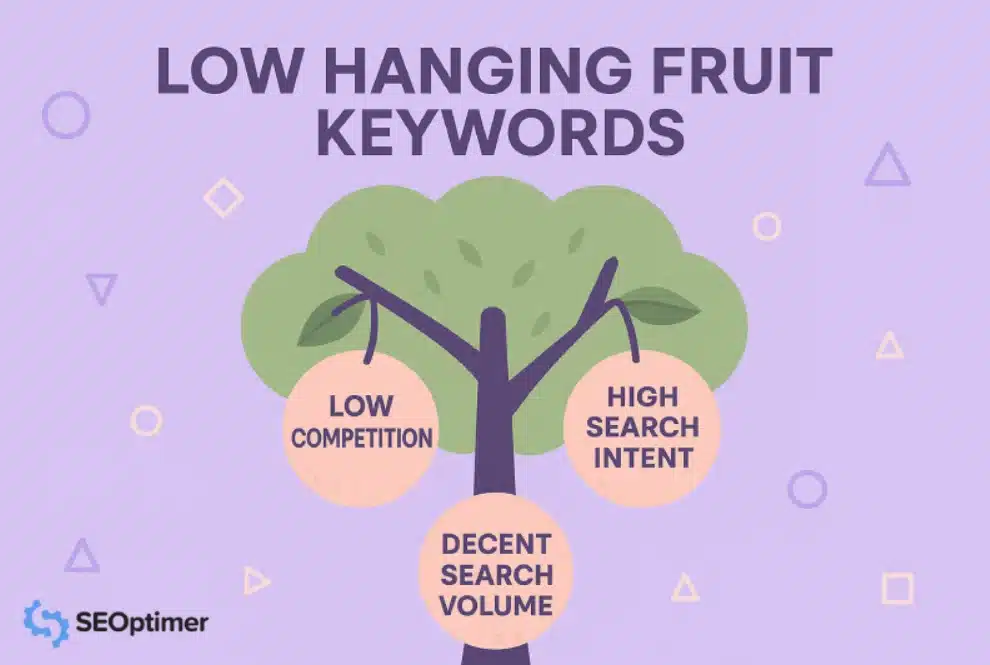
Think of an orchard. The highest fruit is shiny, but you’ll need a ladder, hours of effort, and maybe even a crew to pick it. The lowest fruit, though? You can grab it right now and get a quick taste of success.
That’s exactly what low hanging fruit keywords are: search terms with enough demand to matter, but not so much competition that they’re impossible to rank for.
Low hanging fruit keywords describe search terms with steady interest, low competition, and clear intent. These keywords require less effort than crowded search terms, which makes them useful when you need traction sooner. You reach users who already look for answers, products, or services in your space, and you avoid wasting energy on keywords that drain resources without giving results.
These terms help smaller websites grow because their entry point sits closer to your current strength. You work with terms that match your topics, your content depth, and your ability to rank without pressure from aggressive competitors.
Why does this matter?
Because SEO is a long game, you don’t get authority overnight. You build it, brick by brick. And the fastest way to start stacking those bricks is to target keywords where you can actually win.
Stronger Visibility
These low hanging fruit keywords push your content closer to active searchers because they face weaker competition. Your pages climb faster, attract attention sooner, and create a momentum loop that lifts your other content. You see results that reinforce your direction, which strengthens confidence in your process and guides where your next effort goes.
Better Intent Alignment
These low hanging keywords often reflect specific search intent, which means users know what they want. You match their needs with targeted content, and that connection improves trust. You shape pages that convert naturally because the visitor arrives with clarity. The interaction feels smoother, which helps your site stand out.
Faster Ranking Movement
You avoid long waits because these keywords respond quickly once your content matches user expectations. The reduced competition lets you grow without delays that slow motivation. You adapt, adjust, and improve your position with manageable updates because you see clear signals from your analytics and user behavior patterns.
Key Features of Low-Hanging Fruit Keywords
A brief understanding of what makes these keywords special helps you filter which ones deserve your time. You avoid clutter in your plan and focus on terms that benefit your growth. These features guide your selection process and keep your content grounded.
Lower Competition
These terms attract fewer major sites, which gives you more room. Smaller publishers reach meaningful positions because they work in spaces not flooded with strong domains. You get a fair chance to secure steady traffic without complex steps. This keeps your effort focused and practical for ongoing SEO work.
Steady Search Interest
These keywords hold consistent demand that does not swing wildly. This makes them suitable for long-term content planning because you know they won’t fade quickly. Visitors continue searching for these terms throughout the year, which creates a stable traffic stream that supports your broader SEO plan.
Clear Search Intent
These terms show exactly what users want. This helps you create content that meets expectations without guessing. Content aligned with direct intent leads to stronger engagement, more time spent on the page, and higher conversions. You build trust because the user sees that your response matches their needs.
Realistic Ranking Path
You aim for keywords where you can win. These terms show ranking opportunities that match your site’s current authority. You avoid fields dominated by large competitors and focus on keywords where incremental improvements lead to visible results. You guide growth with achievable steps that build upon each other.
How Do Low-Hanging Fruit Keywords Work Differently Than Other Keywords?
To understand where low hanging fruit keywords fit in, you need to compare them with the other types of keywords that dominate search strategies. Each type has its place, but they work differently when it comes to traffic, competition, and business impact.
Head Keywords
Head terms are those short, broad phrases like “shoes” or “marketing.” They pull in massive search volumes, but here’s the catch: the competition is brutal. Unless you’re a giant with years of authority, getting to page one for these terms is close to impossible. Smaller websites usually waste time and energy if they chase these too early.
- Extremely competitive
- Massive search volume
- Best suited for brands with established authority
Long-Tail Keywords
Long-tail phrases, such as “best waterproof trail running shoes for flat feet,” are more specific. Because fewer people search for them, competition is lower. They’re easier to rank for, and the traffic is highly targeted. The downside? Sometimes the volume is so low that, even if you rank first, you won’t see much growth from them alone.
- Narrow and specific
- Low competition, but often low traffic
- Great for capturing niche audiences with strong intent
Low-Hanging Fruit Keywords
This is where the magic happens. Low hanging fruit keywords often overlap with long-tail terms, but they sit in the sweet spot. They balance specificity with enough search volume to deliver meaningful traffic. You don’t need to be a giant in your industry to rank for them, but you also don’t have to settle for scraps of traffic.
- Moderate search volume + low competition
- High intent that leads to clicks and conversions
- Ideal for newer or growing sites looking for traction
Branded Keywords
Branded keywords are searches tied directly to your name or product—for example, “Nike trail running shoes.” These are usually easy to rank for, since searchers already know you. The downside is that they don’t help you grow beyond your current reach. You need to target non-branded low hanging fruit keywords to get in front of new people.
- Easy to rank for if you own the brand
- Limited growth potential beyond existing audiences
| Keyword Type | Example | Search Volume | Competition Level | Best For |
| Head Keywords | “Shoes” | Very High | Very High | Big brands with established authority |
| Long-Tail Keywords | “Best waterproof trail running shoes for flat feet” | Low–Moderate | Low | Niche traffic with specific intent |
| Low Hanging Fruit | “Affordable trail running shoes under $100” | Moderate | Low–Moderate | Quick wins + steady, meaningful traffic |
| Branded Keywords | “Nike trail running shoes” | Varies | Usually Low | Capturing existing brand-aware searchers |
What Are the Types of Low-Hanging Fruit Keywords?
Not all low hanging fruit keywords work the same way. Some target people researching options, and others target those ready to buy. You benefit from separating them because you plan content that meets users at different stages. Each type supports a different goal, but every type offers an easier path to ranking movement.
Commercial Keywords
These terms attract searchers comparing tools, services, or products. They look for lists, comparisons, or breakdowns. They often convert well because the searcher approaches the topic with intent. People want insight that supports decisions. These keywords give you focused traffic that responds strongly to helpful content.
Question-Based Keywords
These keywords reflect curiosity or problem-solving. Searchers want specific explanations. They often search with phrases that indicate pain points. You offer clear answers that ease confusion, which builds trust quickly. These topics support top-of-funnel growth because they educate the user before moving them toward solutions.
Local Keywords
Local keywords work well for businesses with specific service areas. Searchers want a nearby option or a location-based answer. You target intent tied to geography, which leads to quick results because these keywords face limited competition. Your content becomes relevant to people in your immediate market.
Branded Keywords
Branded keywords include product or company names, often used when users compare choices. People trust familiar names during research. When you cover these terms, you position your content near strong brand demand. You earn traffic from users who expect detailed comparisons or alternatives.
Transactional Keywords
These terms attract people who show strong buying intent. The searcher prepares to purchase and looks for price, discount, or specific product details. Pages targeting these terms convert well because the user knows what they want. You meet them at the decision stage.
What Exactly Makes a Keyword “Low Hanging Fruit”?
There’s no single formula, but there are patterns. Usually, you’re looking for terms with search volumes in the hundreds or low thousands, enough to matter but not enough to draw the entire internet’s attention.
On keyword tools like Ahrefs or SEMrush, you want difficulty scores that are lower than average for your niche.
But numbers aren’t everything. You also want to look at the actual search results. If the top-ranking pages are outdated, poorly written, or from domains that don’t carry much weight, that’s your signal. Add in strong intent, where the searcher clearly wants an answer, a comparison, or even to buy, and you’ve got yourself a low-hanging fruit keyword worth chasing.
This is the essence of low hanging fruit SEO: finding those hidden gems where the barrier to entry is low but the payoff is high.
Lower Difficulty Score
You start by looking at keyword difficulty scores. Lower scores indicate weaker competition. These scores show where you can rank with reasonable effort. You avoid intense battles with high-authority sites and instead use your resources wisely. A manageable difficulty range gives you a realistic opening. You create content that climbs steadily and supports other pages through internal linking.
Moderate Search Volume
These terms carry enough traffic to matter but not so much that they attract major competition. You get reliable visitors without losing months to heavy optimization cycles. This volume works well for growing sites because each page contributes meaningfully to the entire SEO plan. You stack these wins to build a stronger footprint.
Clear User Intent
These terms reveal exactly what users expect. You craft content that meets that expectation without confusion. Users interact more, bounce less, and convert more often. This clarity makes optimization easier because your topic, structure, and messaging follow a clear direction. You match the user at the right moment.
The Difference Between High-Competition and Low Hanging Fruit
High-competition keywords attract large sites, strong domains, and deep content libraries. You face heavy pressure because these topics receive investment from major players who guard their positions. Your ranking movement slows. You spend more time, energy, and updates just to reach the middle of page one.
Low hanging fruit keywords offer a different path. You invest the same effort but accelerate your results because competition stays reasonable and grow faster, especially when your site has limited authority. You pick battles you can win, which motivates consistent improvement. These keywords help you build authority through steady, manageable progress.
| Keyword Type | Competition Level | Ranking Speed | Conversion Potential |
| High-Competition | Heavy | Slow | Mixed |
| Low Hanging Fruit | Light | Fast | Strong |
How Do You Actually Find Low-Hanging Fruit Keywords?
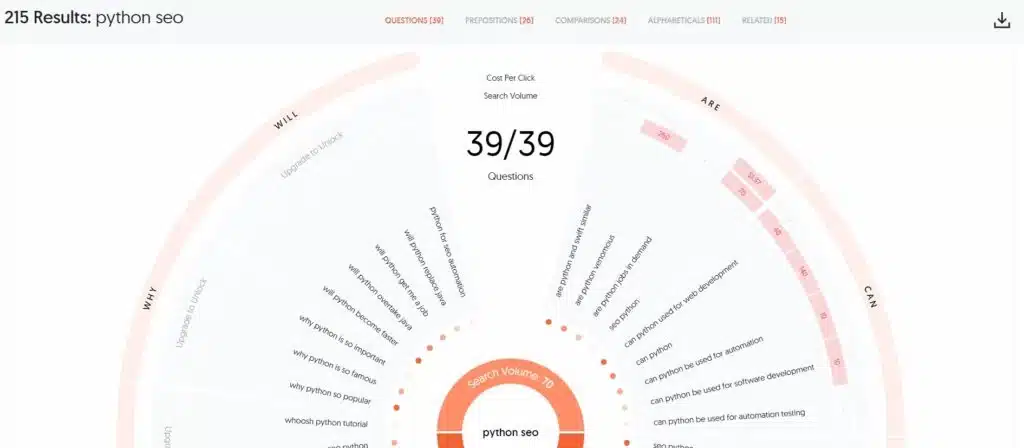
You approach keyword discovery with a method that balances data, intent, and opportunity. It is best to use tools to check search volume, ranking difficulty, and content gaps. Then you match each keyword with your audience needs while looking for terms aligned with your offerings, your expertise, and your current ranking strength. You filter out keywords that drain effort and keep only the ones that give strategic movement.
You don’t always need to start from scratch; chances are you already have opportunities waiting.
- Check Google Search Console: Look for queries where your pages sit on page two or three. With minor tweaks, you can often push them onto page one.
- Study competitors: Spot keywords they rank for with thin or generic content. Create deeper, more valuable content to outrank them.
- Listen to communities: Reddit, Quora, and Amazon reviews reveal real questions people ask. These often translate directly into low-hanging fruit keywords.
- Use keyword tools wisely: Filter for moderate volume and low competition, and confirm ideas with Google’s “People Also Ask” suggestions.
The key is to mix your data with competitor gaps and real-world user intent. That’s how you uncover keywords that deliver quick, meaningful wins.
How Do You Prioritize and Maximize Low-Hanging Fruit Keywords?
You want a strategy that groups keywords by intent, relevance, and ranking opportunity. Sort them by the value they bring to your funnel. Track which terms support conversions, engagement, or early awareness. Ensure to assign content formats based on user expectation and build internal links that guide visitors deeper into your site. You revisit top pages often so they stay fresh to create repeatable processes with steps that move your content forward.
Don’t chase every keyword on your list. Focus on three things: volume, competition, and intent.
A term with 10,000 searches but sky-high competition will drain resources. One with 50 searches is easy, but won’t move the needle. The sweet spot is a few hundred to a few thousand monthly searches, low difficulty, and clear alignment with your goals.
Intent matters most. Informational keywords drive awareness, while transactional ones drive revenue. The smartest strategy balances both, traffic at the top, conversions at the bottom.
How Do You Turn Low-Hanging Fruit Keywords Into Your SEO Edge?
Once you’ve built a list of opportunities, the next challenge is knowing what to do with them. Not all keywords are created equal, and how you use them determines whether they drive meaningful growth or just sit there.
To get the most out of low-hanging fruit keywords, you need to think about prioritization, application, pitfalls, and how they fit into your bigger SEO picture.
Let’s explore the practical implementation steps that convert Low hanging fruit SEO ideas into action.
Using Keywords in Content
Finding the keyword is half the battle. Using it effectively is the other half.
If you already have content ranking on page two or three, start there. Refresh it, add depth, update stats, improve the title and meta description, and weave in your target keyword naturally. Internal links pointing to that page can often push you to page one.
For new content, build around intent. Ask: Why is the searcher typing this? Then structure your content to give the clearest answer. Formats like how-to guides, comparisons, and FAQs not only satisfy intent but also help capture featured snippets and “People Also Ask” results.
Prioritize Low Competition Keywords
You evaluate search volume, commercial intent, and relevance. You choose keywords with 100 to 500 monthly searches and keyword difficulty under 30. These ranges allow easier ranking movement and strong long-term value. You create a scoring system that weighs each factor based on your business model. You use this to build decisions that match your goals.
Focus on Content Refresh and Updates
Your older pages hold hidden Low hanging keywords that already attract traffic. You run audits that highlight pages ranking positions 8 through 20. These pages rise quickly once you update structure, research, and internal links. You add fresh insights that strengthen trust. You create richer experiences users respond to.
Use Data to Track Performance and Adapt
Your process improves as you measure rankings, conversions, and user behavior. You monitor changes weekly and compare results across your target list. You double down on keywords that show strong traction. You adjust pages that drop or lose interaction. You use traffic quality signals to refine your next set of targets.
Avoiding Common Mistakes
One common mistake is chasing irrelevant keywords just because they look easy. If the content doesn’t match intent, it won’t rank, or worse, it’ll frustrate users.
Another trap is keyword stuffing. Density alone doesn’t matter anymore; usefulness does. And don’t treat these keywords as one-time wins. Revisit, refresh, and refine—SEO is a moving target, and easy opportunities today may be crowded tomorrow.
Real-World Results
Teams that use Low hanging keywords see earlier movement because their focus stays grounded. Businesses with smaller budgets grow steadily by concentrating on attainable gains. These keywords help content teams relax pressure while still delivering meaningful ranking improvements. You observe steady progress that shapes future decisions with more clarity. Here are some common examples-
- A niche blog optimized twenty overlooked keywords and grew traffic by 150% in three months
- An e-commerce store targeted feature-focused terms like “best lightweight laptop under $800” and climbed to page one, driving direct sales
- A B2B SaaS brand turned forum questions into blog posts, which didn’t just attract traffic; they pulled in qualified leads
These aren’t theory; they’re proof that low-hanging fruit keywords deliver real business outcomes.
Role in a Larger SEO Strategy
Think of them as your foot in the door. They’re not the endgame, but they give you the momentum you need.
Targeting these keywords first creates quick wins. Those wins drive traffic, build authority, and make it easier to rank for more competitive terms later. They also strengthen topic clusters; each keyword can become a supporting page linked to a central pillar, signaling authority to Google.
And because low-hanging fruit keywords often capture specific intent, they don’t just bring more visitors, they bring the right visitors who are more likely to convert.
Final Thoughts
Here’s the bottom line: chasing giant keywords from day one is like trying to climb Everest without a backpack. You’ll burn out before you ever reach base camp.
Low hanging fruit keywords are your backpack. They give you momentum, wins you can actually achieve, and proof that SEO works. They don’t just feed you traffic—they set the stage for bigger victories down the road.
So stop staring at the shiny fruit way up high. Look around, grab the opportunities within reach, and start building. That’s how you go from zero visibility to steady growth, one smart keyword at a time.
Key Takeaways
- Low hanging fruit keywords shorten ranking time
- These keywords carry lower competition and clear intent
- They strengthen authority through repeatable wins
- It also supports topic clusters and long-term growth
- They help smaller sites grow without heavy load


FAQs on Low-Hanging Fruit Keywords

In SEO, low-hanging fruit keywords are essentially “quick wins,” search terms with low competition, moderate volume, and high intent. They let you capture targeted traffic without battling bigger players.
The buzzword refers to easily achievable results, and in digital marketing, it points to low-hanging fruit keywords that provide faster ranking and improved visibility.
It means the easiest opportunities to grab, keywords that are specific, relevant, and less competitive but still valuable for driving conversions.
The main categories are head keywords, long-tail keywords, branded keywords, and low-hanging fruit keywords, each serving a different role in traffic and conversions.
A phrase like “best lightweight laptop under $800” is a low-hanging fruit keyword—it’s specific, has clear intent, and offers a realistic chance to rank quickly.
Low hanging fruit keywords offer reachable openings because the competition stays light, which allows new websites to gain traction and gather trust without heavy resource use.
You benefit from checking these pages every few months because rankings shift and user needs change, which helps you maintain strong visibility over time.
They help increase conversions because the searcher arrives with clear intent, which makes your content match their needs and guide their actions more smoothly.
These low hanging fruit keywords let smaller sites earn traffic without battling stronger domains, which encourages consistent growth and improves confidence as results start appearing.
Topic clusters work well because they connect related content, which strengthens authority signals and helps your pages support each other through internal linking.
You review its difficulty score, search volume, and current ranking landscape, which helps you judge whether your site can enter that space and compete.
Most industries offer smaller keyword gaps because every audience searches differently, which creates space for reachable search terms with meaningful intent.
Results appear sooner because you face less competition, which speeds ranking movement and helps you identify what works for your content strategy.
They support both because users arrive with defined needs, which helps informational pages educate them and transactional pages guide the purchase process.
Low hanging keywords cannot replace your full strategy because broader goals need varied keyword types, but it strengthens early progress and builds steady authority across your niche.