Long tail keywords Guide 2027: Rank Fast & Drive Traffic

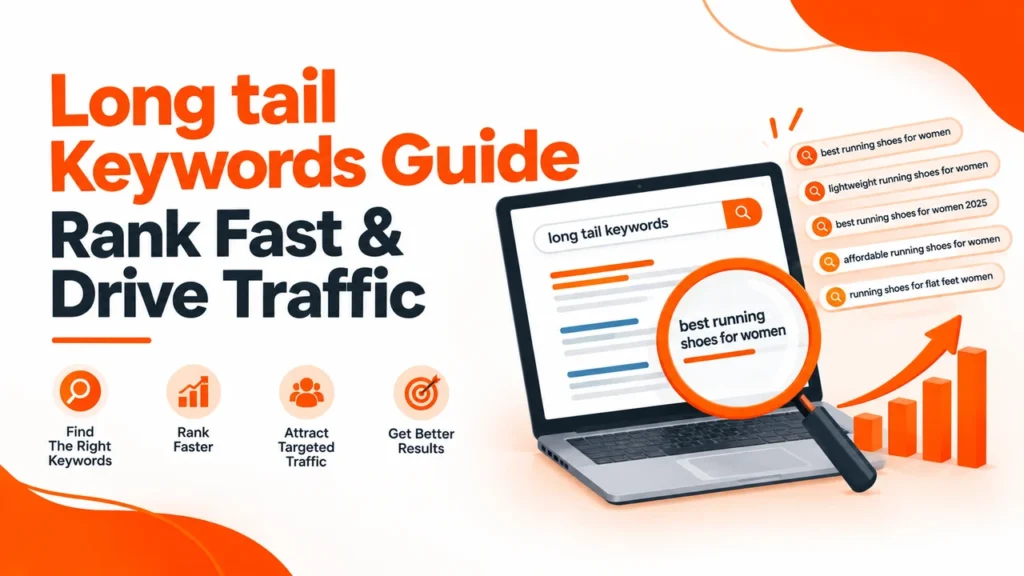
You may be struggling to rank fast and attract targeted visitors to your site and you are not alone. Many websites compete fiercely for broad keywords but see limited results. The answer to ranking well may lie in understanding long tail keywords. These specific search phrases draw less competition and bring users closer to making a decision.
With years of hands-on SEO experience and tools like Semrush guiding the way, this blog aims to give you a clear path on how to use long tail keywords effectively. This ultimate guide will help you rank faster and drive quality traffic. It covers everything from defining long tail keywords to how you can find and track them. Follow along for tips that work this year and can help to grow your organic reach.
Understanding the Meaning of Long tail keywords
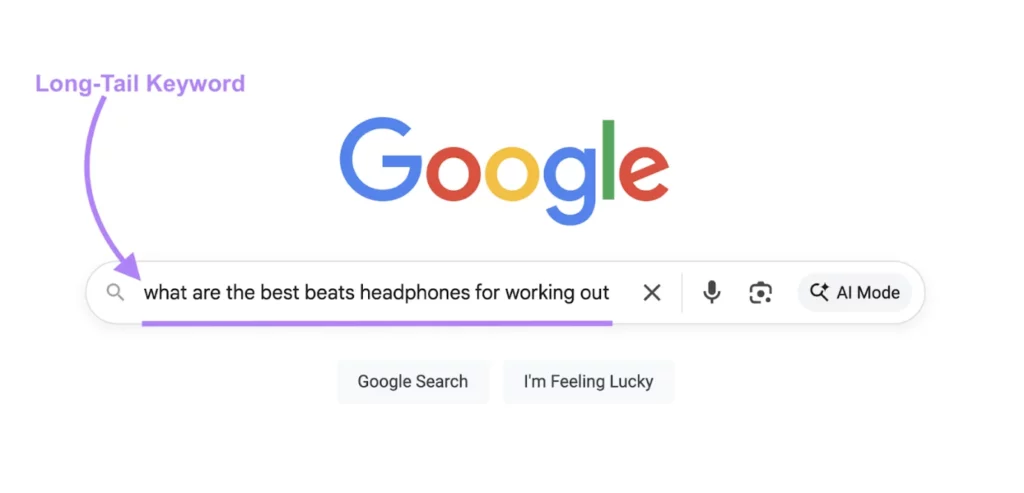
So, how do you define long tail keywords? Long tail keywords are search phrases made up of three or more words. These keywords are more specific than broad or head terms. For example, you may not write a keyword simply as “shoes”. It is more effective to choose a long tail keyword phrase might be “best running shoes for flat feet women.” Users who search with such phrases often know what they want and are closer to buying or taking action. These keywords typically have lower search volume.
However, they come with less competition compared to short, popular search terms. Because long tail keywords are precise, they send high-quality traffic to your site. People using such terms tend to have clear intent, whether it’s informational or transactional. This makes them valuable for SEO and marketing.
Voice search and AI-assisted queries are rising day by day in this year. That is why long tail keywords play a bigger role since many voice searches are more detailed. Knowing and using them well can improve your chances of ranking fast. It will also drive interested visitors to your website.
Long Tail vs Mid Tail vs Short Tail Keywords
Three types of keywords commonly used in SEO are short tail, mid tail and long tail keywords. Here is how they differ-
| Keyword Type | Word Count | Search Volume | Competition Level | User Intent |
| Short-Tail Keywords | 1-2 words | High | Very High | Broad, exploratory |
| Mid-Tail Keywords | 2-3 words | Medium | Medium to High | Somewhat specific |
| Long tail keywords | 3 or more words | Low | Low to Medium | Highly specific, often ready to act |
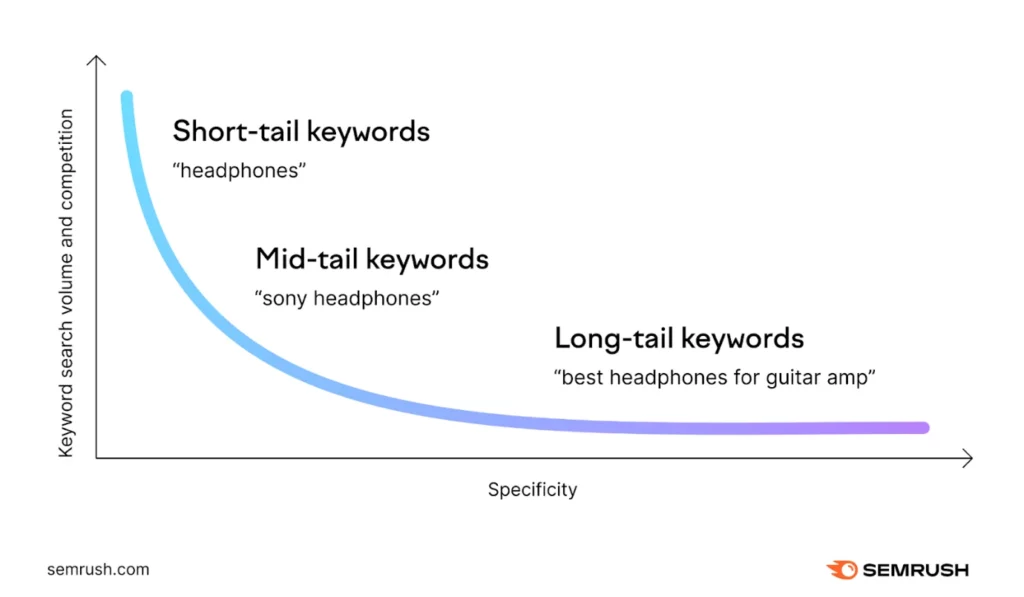
Short-tail terms like “shoes” get a lot of searches but have fierce competition. Mid-tail keywords have moderate search volume and focus but still can be competitive. Long tail keywords have lower search volume but attract more qualified visitors.
Their lower competition means faster ranking potential. You can use a mix of these keyword types also. It can give broad reach as well as targeted traffic to your SEO strategy. Understanding all three helps plan content properly. That is why focusing on long tail SEO this year is smart as it balances competition as well as search intent effectively.
The Importance of Long tail keywords in SEO
Long tail keywords matter in SEO because they offer unique advantages-
- They are easier to rank for due to lower competition
- They attract visitors ready to act or buy
- Their combined search traffic adds up to significant volume
- They support appearing in AI-powered search results
Easier to Rank
Ranking for broad keywords like “shoes” is tough. Such terms have millions of competing pages. However, long tail keywords focus on specifics, so fewer websites target them. This reduced competition helps your site rank faster and higher without a massive SEO budget.
Drive High Quality Traffic
Visitors using long tail keywords often know exactly what they want. For example- “best waterproof hiking boots size 10” clearly shows buying intent. These users are more likely to convert than those searching very broad keywords.

High Collective Search Volume
While each long tail keyword has low volume, grouping several related long-tail keywords brings large combined traffic. By targeting different but related phrases, websites capture more visitors overall.
Enhanced AI Search Appearance
Search engines with AI features like new AI overlays or chat responses by Google use long tail keywords. It helps them to understand and answer specific questions. Targeting these keywords improves chances to be featured in search answers driven by AI.

The bottom line is that strategic use of long tail keywords in content allows you to compete with top sites. It goes without outspending them. The detailed nature means your content directly matches what users type or speak into search queries. This alignment improves your organic rankings, traffic quality and ultimately conversion rates.
How to Find Long tail keywords
Finding long tail keywords involves several practical steps. Here is how to find long tail keywords–
Use Keyword Research Tools
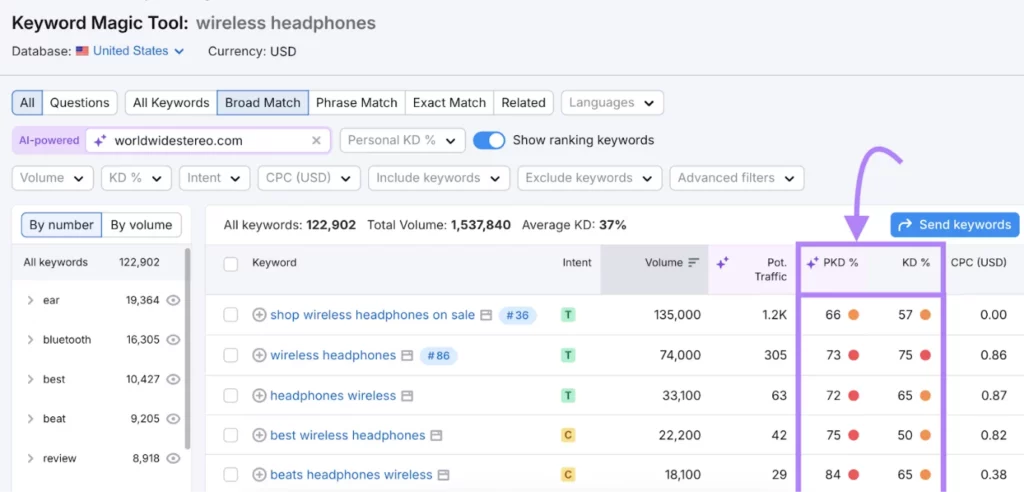
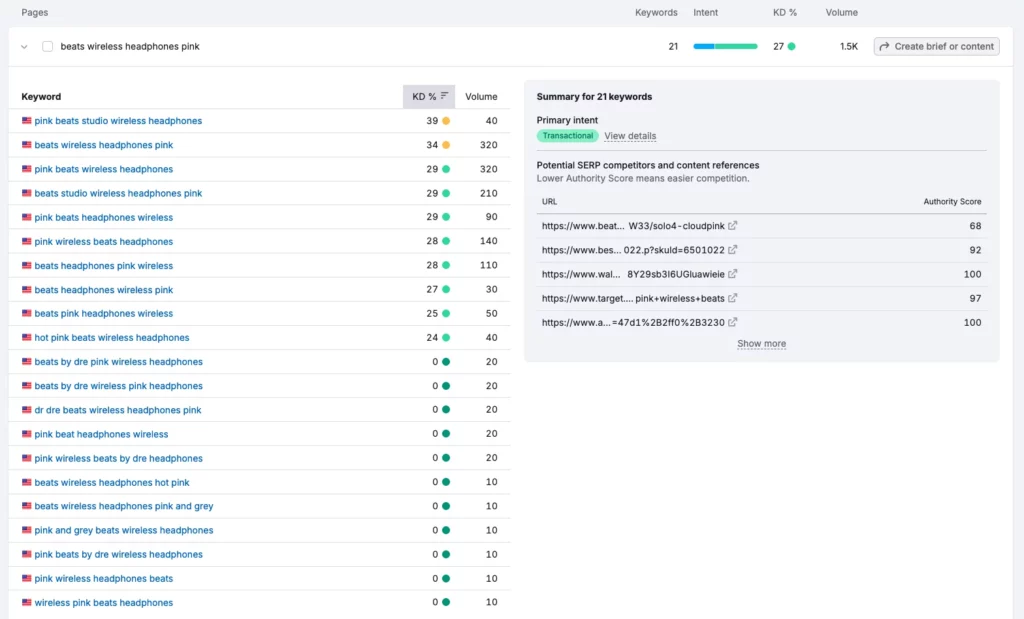
Tools like Semrush Keyword Magic Tool help you find thousands of long tail keywords. You enter a main term and filter results for those with multiple words, low competition, and reasonable search volume. This process narrows down phrases worth targeting.

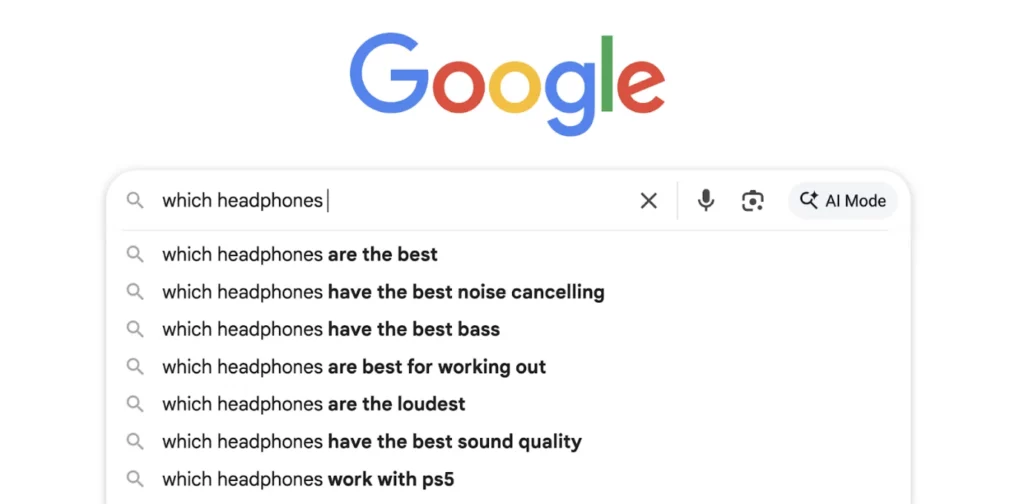
Explore Google Autocomplete
Start typing your seed keyword in Google. The autocomplete suggestions show real search queries people commonly use. These often include long tail keywords you might miss with tools.
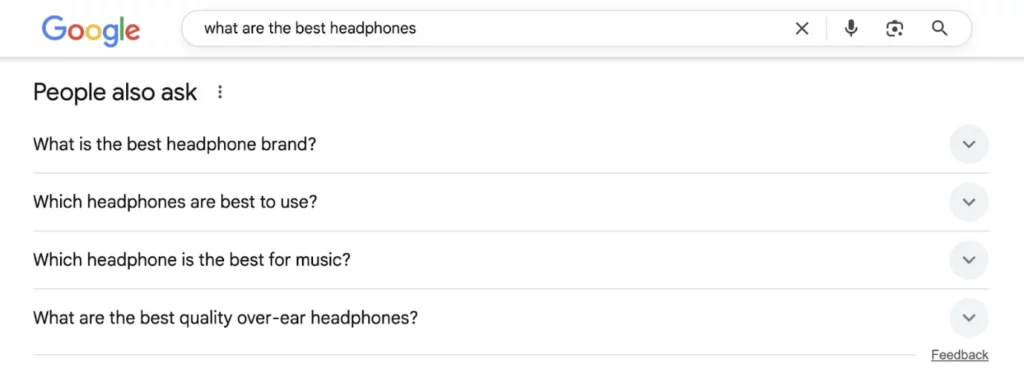
Analyze “People Also Ask”
Google’s “People Also Ask” section provides questions related to your topic. Most questions contain long tail keywords with clear user intent.
Check Competitor Keywords
Look at competitors’ rankings for specific phrases. You can find valuable long tail keywords they target. This insight lets you create better or complementary content.
Use Online Communities
Forums, Q and A sites and social media groups show phrases people use to discuss your topic. These are sometimes the major sources of natural long-tail keywords.

Using these methods consistently uncovers opportunities to rank for long-tail keywords relevant to your audience.
How to Rank for Long-tail keywords
Ranking well for long tail keywords follows SEO best practices tailored to specific searches:
Group Keywords into Clusters
Create content clusters around related long tail keywords. This approach builds topical authority and helps search engines understand your site’s relevance.
Use Keywords Naturally
Place long tail keywords in titles, headings, and content without overstuffing. The goal is fluid, readable content.
Create Unique Helpful Content
Focus on answering precise user queries indicated by the long tail keywords. Unique, useful content is favored for ranking.
Optimize Page Elements
Include keywords in alt tags, meta descriptions, and URLs. This helps search engines make clear connections.
Build Internal Links
Link related pages to each other using anchor text with long tail keywords. This improves site navigation and SEO strength.
Use Schema Markup
Implement structured data like FAQ schema relevant to your long tail keywords. It can boost search snippets and visibility.
Following these steps consistently increases your chances to rank high for targeted long tail keywords.
How to Find Long-tail keywords for PPC
Using long tail keywords in pay-per-click (PPC) campaigns can lower cost and improve conversions:

Use Keyword Tools for PPC
Platforms like Google Ads Keyword Planner and SEMrush let you filter long tail keywords with low competition. These phrases usually cost less per click.
Match Type Selection
Use exact match or phrase match for long tail keywords to reach a precise audience, reducing irrelevant clicks.
Analyze Competitor Ads
Review competitors’ PPC ads for long tail keyword ideas, then create ads targeting similar phrases at better CPCs.
Focus Ads on Buyer Intent
Choose long tail keywords indicating readiness to buy or act. For example, “buy organic dog food online” is better for PPC than “dog food.”
Test and Optimize
Run small campaigns to test which long tail keywords perform best. Adjust bids and ad copy accordingly to maximize ROI.
This approach ensures your PPC budget targets focused searchers, improving ad effectiveness.
Long-Tail Keyword Examples
Here are practical long tail keyword examples:
SaaS Industry
“best free accounting software for small nonprofits” targets specific buyers searching for affordable nonprofit accounting tools.
Local Business
“family-friendly Italian restaurants near downtown Chicago” helps capture local diners searching for a particular food style and location.
Ecommerce
“waterproof Bluetooth headphones for running” longtail keywords attracts buyers looking for product features suited to exercise.
Travel
“budget all-inclusive resorts in Cancun Mexico April” targets travelers ready to book vacations in a specific month.
Health & Fitness
“gluten-free high-protein snacks for athletes” targets health-conscious customers with dietary needs.
These examples show how long tail keywords pinpoint niche topics or buyer intentions, improving content relevance and ranking chances.
How to Track Long-Tail Keyword Rankings
Measuring success with long tail keywords requires tracking their rankings regularly.
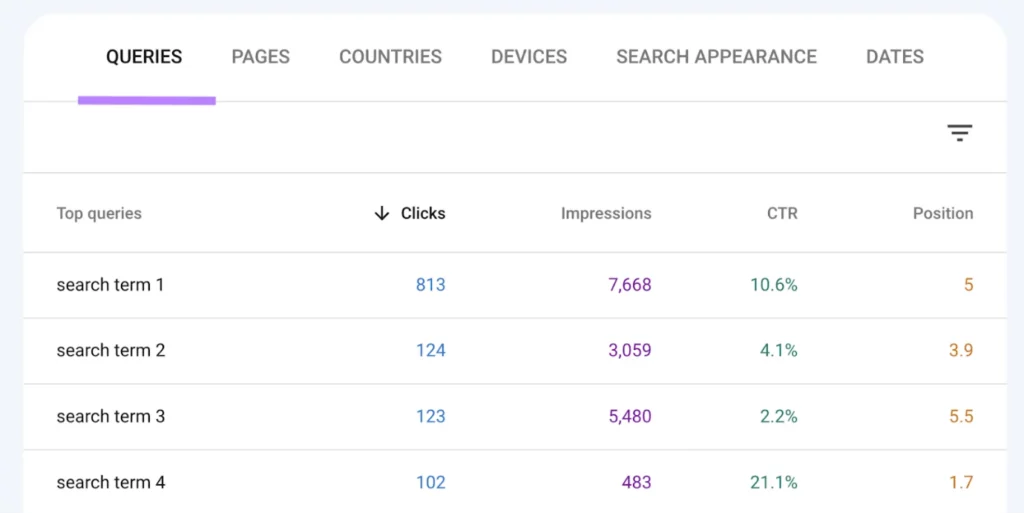
Use Google Search Console
This free tool shows clicks, impressions, click-through rate (CTR), and average position for each keyword. Filter for your targeted long tail keywords to monitor performance.
Utilize Semrush Position Tracking
Semrush allows daily tracking of chosen long tail keywords with competitor comparison. You can see visibility and potential gains clearly.
Monitor Keyword Features
Track appearances in search features like People Also Ask or featured snippets, which often involve long tail keywords.
Analyze Traffic and Conversions
Match incoming traffic from long tail keywords to goals in Google Analytics. This helps measure actual business impact.
Adjust Strategy Based on Data
Use ranking trends and user engagement to refine content or target new long tail keywords.
Consistent tracking helps you understand which long tail keywords drive growth and how to improve your SEO efforts.
Conclusion
Focusing on long tail keywords can transform your SEO results in 2025. These keywords offer easier ranking opportunities and target users with clear intent. They bring quality traffic that converts better than broad searches. By using keyword research tools, analyzing search results, and creating helpful, targeted content, you gain an edge over competitors. Tracking these keywords allows continual growth and optimization. Including long tail keywords as a core part of your SEO and PPC strategy ensures faster rankings and meaningful traffic for your site.
Key Takeaways
- Long tail keywords are specific search phrases with three or more words.
- They have low competition and high intent, making them easier to rank for.
- Grouped long tail keywords bring significant combined traffic.
- Use keyword tools, Google autocomplete, and competitor analysis to find them.
- Create useful content focused on these keywords and use them naturally.
- Track performance with Google Search Console and Semrush daily.
- PPC campaigns benefit from low-cost and high-conversion long tail keywords.
- Regular monitoring and content updates boost sustained SEO success.


FAQs About Long tail keywords

Long tail keywords help your site rank faster. It is because they match user intent closely and face much less competition than broad phrases. It becomes easier for search engines to recognize the relevance of your site when you use long tail keywords naturally. This targeted approach gives your website a better chance of securing higher rankings. It goes without needing extensive backlinks or large budgets.
Small businesses can see strong results by focusing on long tail keyword research and targeting niche audiences. These keywords let you reach people who are actively searching for specific products or services your business offers. The lowered competition with long tail keywords allows small firms to stand out and generate quality leads.
You can use Semrush Keyword Magic Tool for thorough long tail keyword research. Google Autocomplete is handy for spotting trending long tail keywords that real users type. Both tools help identify popular phrases and questions that form valuable longtail keywords for your site.
Weekly tracking lets you spot shifts in positions quickly and refine strategies for long tail keywords. Your niche may be competitive. That is when you may want daily checks. It is especially important after major updates or content changes. Biweekly or monthly reports is enough to monitor growth and adjust for new opportunities for less dynamic sites. Consistent monitoring allows you to respond fast and keep your rankings strong.
You can lower your ad costs by using long tail keywords. It will also help to reach people who want your product or service. These targeted keywords give higher ad relevance and help boost conversion rates. This is because users searching them are closer to making a decision. Your campaigns perform better and provide more value for each click by picking terms with clear buyer intent and low competition.