What Is EEAT in SEO and Why It Matters for Your Website

You’ve probably asked yourself, what is EEAT and why does it seem everyone in SEO brings it up these days? If you run a website, you want people as well as Google to actually trust what’s written, who wrote it and how you help. There is a valid reason for the buzz. Sites that showcase strong EEAT often outperform others right in the search results and earn real trust from readers. In fact, a 2023 survey found that websites with solid EEAT through rich, helpful snippets receive 42% more clicks. It was more than those missing these signals.
What is EEAT? The Ultimate Answer
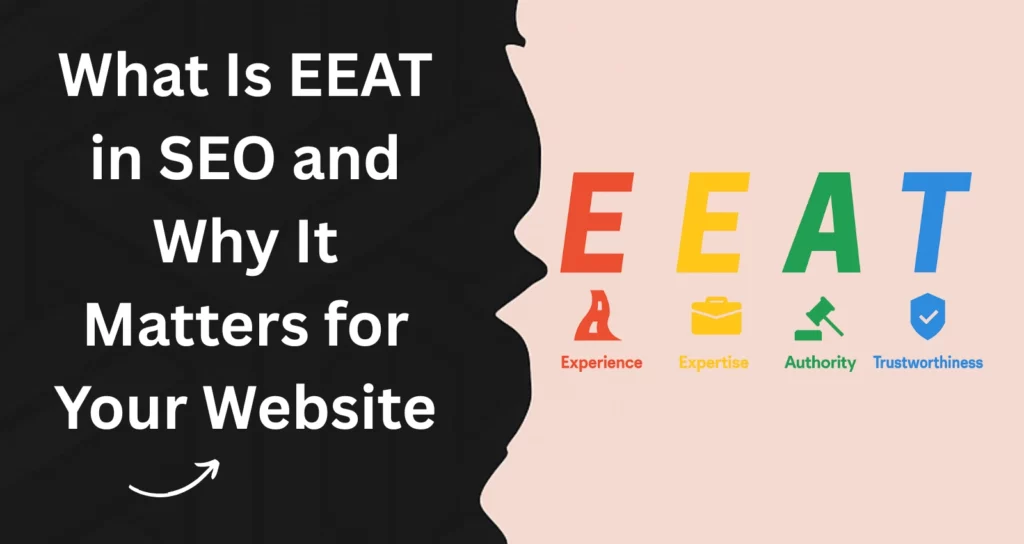
Let’s break it down right at the start. EEAT in SEO stands for Experience, Expertise, Authoritativeness, and Trustworthiness. To answer the core question, what is EEAT, Google uses these four pillars to rate the quality and reliability of your web pages.
But it’s much more than a checklist. EEAT SEO is about earning confidence from your audience and search engines by demonstrating actual knowledge, true experience and being a credible source. It is not just by saying you are but showing it in how you write and what you publish.
Let’s make it simple: EEAT meaning boils down to how your site proves it’s worth trusting. There are four parts:
- E- Experience
- E- Expertise
- A-Authority
- T- Trustworthy
Experience

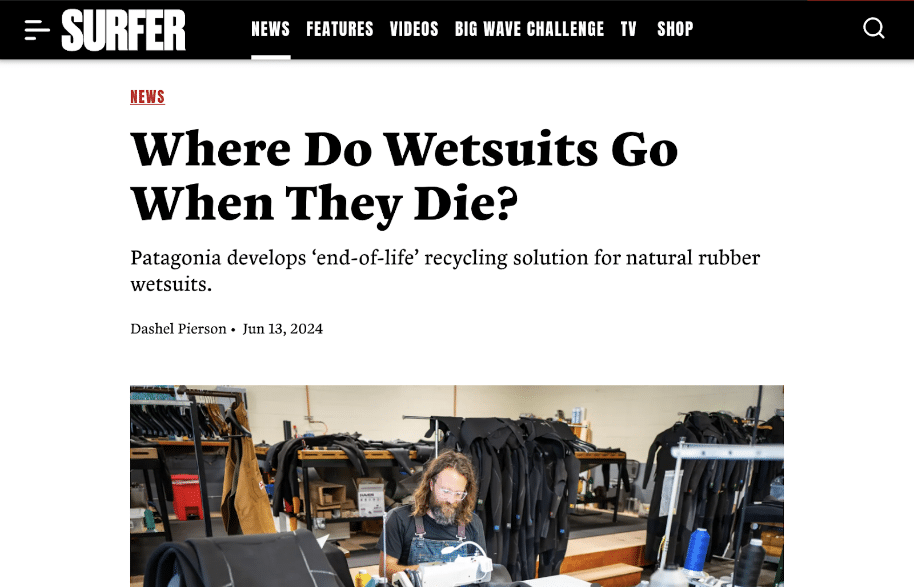
Does the content writer possess actual and practical knowledge on the topic? This is what experience refers to in EEAT. A content creator must have hands-on knowledge about the topic because it is about real-life involvement.
Then comes theoretical understanding. Picture this: Someone wrote a travel blog who has personally visited the destinations. They can describe with experience. It enables Google to recognize whether the author truly understands why they are discussing based on real-life situations or firsthand encounters. This often make the content relatable or more credible to readers.
Expertise
Expertise entails having accurate knowledge with the ability to demonstrate skill in a particular subject. This is more formal compared to experience. It might include professional qualifications with training or a track record of relevant work.
For example, a financial advisor, lawyer or medical professional would demonstrate expertise in their content. It ensures the content is correct technically and readers have been informed by deep understanding. It will help users get reliable and well-founded information.
Authoritativeness
Is the creator or website established or respected in the field? Authoritativeness measures the recognition of the content creator within a particular field or community. It takes into consideration reputation, such as endorsements from other experts. It could be in the form of awards, citations or mentions by trusted organizations.
A site known as a go-to resource in its industry signals strong authority. This boosts confidence that the content is not just accurate but also valued and trusted by others knowledgeable in the subject.
Trustworthiness
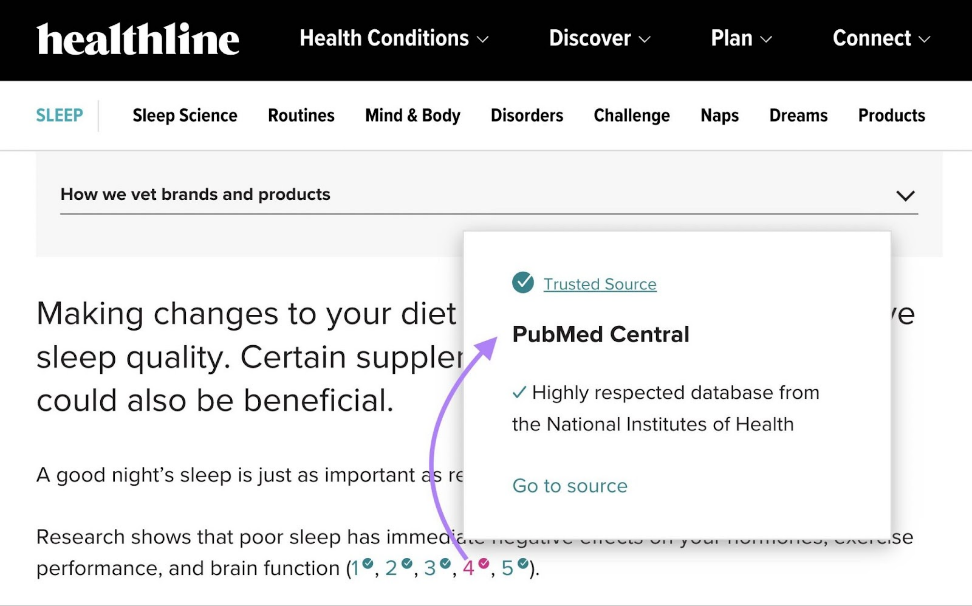
Are the facts right, the site secure, and the content honest? Trustworthiness covers whether users can trust the content and site. This means facts should be accurate, the site secure (using HTTPS), and the content honest without hidden agendas or misinformation.
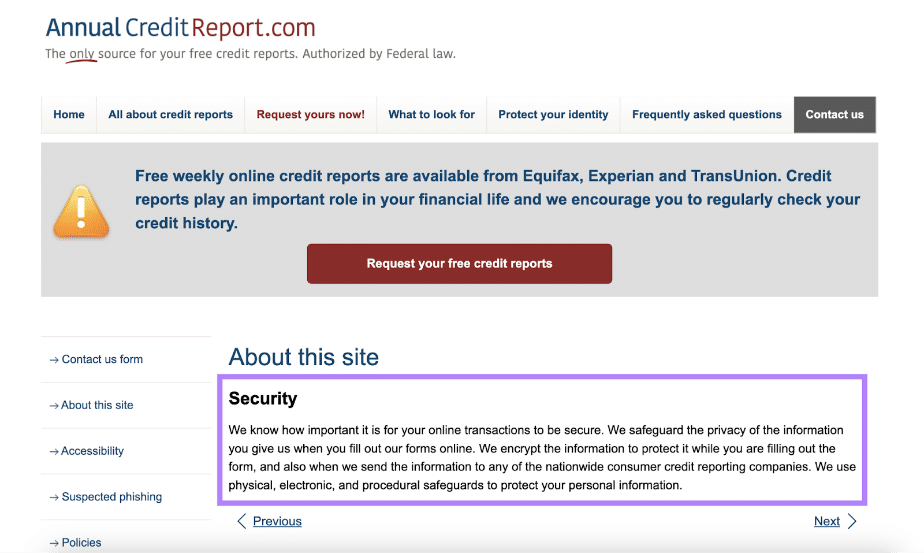
Trust also involves transparency, such as clear author information and updated, well-maintained pages. When users feel safe and confident the site isn’t misleading them, it strengthens the overall reputation and search ranking.
If you really want to get on Google’s good side, your content needs to reflect real-world experience and not just theory. Google’s own documentation echoes this: sites with the best EEAT are the ones that people (and algorithms) are drawn to.
The Quality Rater Guidelines of Google use these factors to analyze content quality. The goal is to surface reliable and fact-based content.
How is EAT and EEAT in Google Different From Each Other?
People mix these up all the time. EAT stood for Expertise, Authoritativeness, and Trustworthiness. When Google updated it to EEAT SEO, it added the “Experience” factor upfront. This switch matters, now it’s not just about showing off knowledge; it’s about proving hands-on experience.
Let’s say you’re reading product reviews. Would you rather trust someone just repeating specs, or someone who’s actually used the product? That’s the difference “Experience” makes to EEAT google. Content coming from lived experience naturally boosts trust and relatability, hitting all the right notes for both readers and Google.
Here’s a quick table to break down the main differences between EAT SEO and EEAT:
| Aspect | EAT | EEAT |
| Definition | Expertise, Authoritativeness, Trustworthiness | Experience, Expertise, Authoritativeness, Trustworthiness |
| Focus | Shows knowledge, credibility, and trust | Adds a layer of actual hands-on experience alongside knowledge and trust |
| Emphasis on Content | Relies on accurate, expert input | Requires proven practical experience or real-life examples from the content creator |
| Trust Signals | Based on recognized authority and trustworthiness | Combines authority with demonstrable personal or professional experience |
| Impact on SEO | Important for ranking quality content | Stronger signal with deeper user-focus on authentic, experienced insights |
| Example | An expert’s article written based on knowledge | An experienced professional sharing both knowledge and firsthand experience |
In a nutshell, “E” for Experience means content written by someone who’s been there, done that, not just someone who read about it. That’s what sets EEAT meaning apart now versus the old EAT.
Significance of EEAT in Google
Why is EEAT google so important? Google doesn’t randomly pick top-ranking pages. It’s not about who yells the loudest. It’s about trust and usefulness. Google’s purpose is to send users to websites that provide the best information, safely and honestly. This is where EEAT in SEO steps in.
If your page touches on topics like finance, health, or news, sometimes called YMYL (Your Money or Your Life) Google holds you to an even higher bar. If incorrect advice could hurt someone’s wellbeing, the trust and reliability behind your content matter that much more. That’s why building EEAT meaning isn’t really optional if you care about real results.
In practical terms, websites scoring high for what is EEAT:
- Attract clicks and longer visits
- Are trusted to deliver accurate knowledge
- Get picked up for featured snippets and rich search results
That’s the power behind strong EEAT google signals.
How EEAT Works With Google’s AI Overview Algorithm (2026 Update)
The AI overview of Google’s system is the most notable change in search activity since the introduction of featured snippets. Google does not only scan your article for keywords, but it also judges the information with a more intelligent system of reliability and context. EEAT is the main factor that influences which websites are cited in AI Overviews.
Content that is chosen for AI Overviews usually reflects a mix of practical experience, expert-driven accuracy and good sourcing. The information that Google prefers is the one that shows a real human insight, as this limits the chances of hallucination. Sites that upload original research, first-hand examples, detailed explanations or personal experience are likely to perform better because of the reality aspect of the content.
Google is also applying a principle of multi-source validation. This implies that AI Overviews will frequently be based on sources that provide citations, factual references, data that has been recently updated and authorship that is transparent. When more than one trustworthy source agrees on a fact, that information is more likely to be kept. EEAT is the power which makes your content eligible to be in the most useful area of visibility.
In 2026 and after, the quality standard is much higher. AI Overviews are going to be able to distinguish and hence, reward only those content that has considerable knowledge about the subject, while other content merely describing topics will be ignored. EEAT is the link between your knowledge and Google’s trust in presenting it.
Levels of EEAT and Google’s Search Quality Rater Guidelines
Believe it or not, Google actively hires real people, called Search Quality Raters, to look at websites through the lens of EEAT. Their manual reviews help improve the way Google’s algorithm understands and values EEAT in SEO.
They group sites into three simple levels:
- Low EEAT: The site seems unreliable. There’s no sign of real expertise or trust. Google’s own guidelines say if the EEAT is too low (especially on YMYL topics), people shouldn’t use that content at all. If a site or creator has a terrible reputation, they get the lowest score.
- Lacking EEAT: There’s some evidence of credibility, but not enough to fully trust it, maybe no visible expert or missing bios. Google suggests giving a “Low” rating if the necessary level of EEAT just isn’t there. Having a friendly brand or fancy design doesn’t make up for missing expertise.
- High EEAT: These pages show clear experience, authority signals, and trust. If it’s obvious who the expert is and why the information is reliable, the site earns a high spot.
Raters don’t directly influence search results. But their feedback trains Google’s systems to reward content with better EEAT, shaping what sites rise or fade in rankings. As Google puts it, high EEAT websites and posts “are trustworthy or extremely trustworthy.” When people share real-life stories or advice, on forums or social media, this firsthand experience can even lift quality ratings.
What is the Importance of EEAT in SEO?
Wondering why everyone in SEO talks about EEAT in SEO? It comes down to real power over who gets found online. Content that scores high for what is EEAT attracts organic clicks, naturally gains more backlinks, and keeps readers engaged.
Let’s break out why it matters:
- Better SEO rankings: Google promotes sites that show real expertise, authority, and trust. High EEAT is often a hidden engine for search success.
- User trust: If readers trust you, they engage more, share links, spend more time on your site, and keep coming back.
- Protection against Google updates: Algorithm shifts can hurt sites with weak EEAT, but if your reputation and quality signals are strong, you’re less likely to lose ground.
Content with EAT SEO done right is easy to understand, has clear authorship, and gives honest, valuable answers. In today’s environment, ranking higher isn’t just about keywords. It’s about genuine credibility and relevance.
Practical Ways to Improve Your EEAT in SEO
Building EEAT SEO isn’t just for large corporations. It’s how every brand and creator can stand out and thrive, no matter the topic. Here are actionable steps drawn from Google’s own recommendations and proven examples that make a strong difference for your ranking and reputation.
Create Helpful Content
Start by always putting the reader first. Answer practical questions, give clear steps, and back statements with real stories or examples. Let your expertise and actual experience shine so readers see why your advice matters. When you prioritize usefulness, EEAT meaning becomes obvious, both to readers and Google.

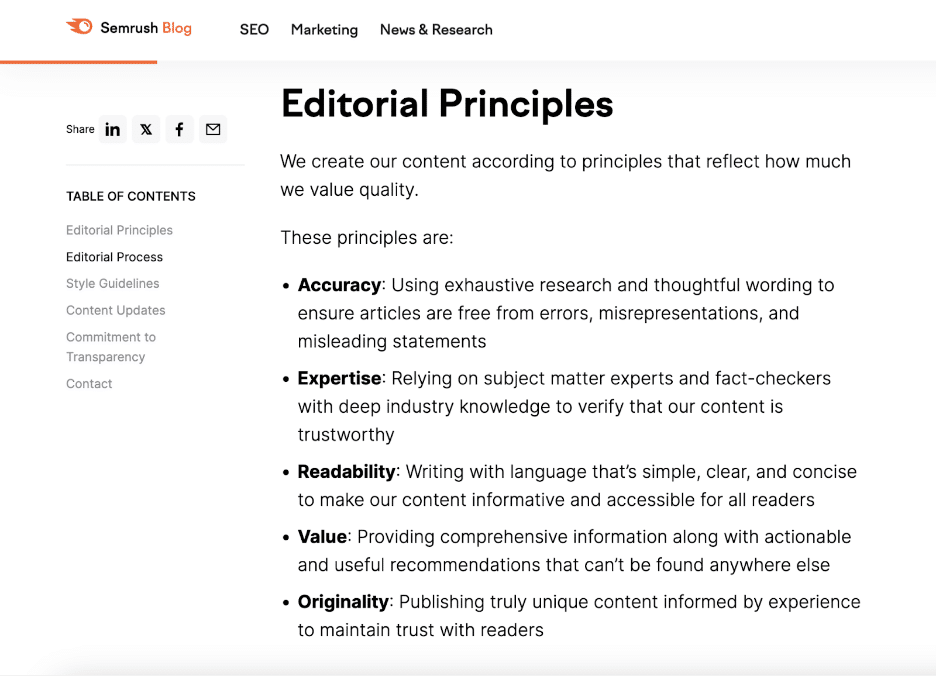
Follow Strict Editorial Standards
Good content isn’t random. Set standards for fact-checking, sourcing, style, author citations, and how often to update posts. Following clear, rigorous editorial policies lifts credibility and demonstrates your commitment to EEAT in SEO.
Build Your Brand Reputation
Being known and respected matters, both online and offline. This means encouraging satisfied clients to leave reviews, building a portfolio of case studies, and cultivating mentions from other reputable sources. Even on small sites, highlighting testimonials and media coverage helps shape EEAT google signals.
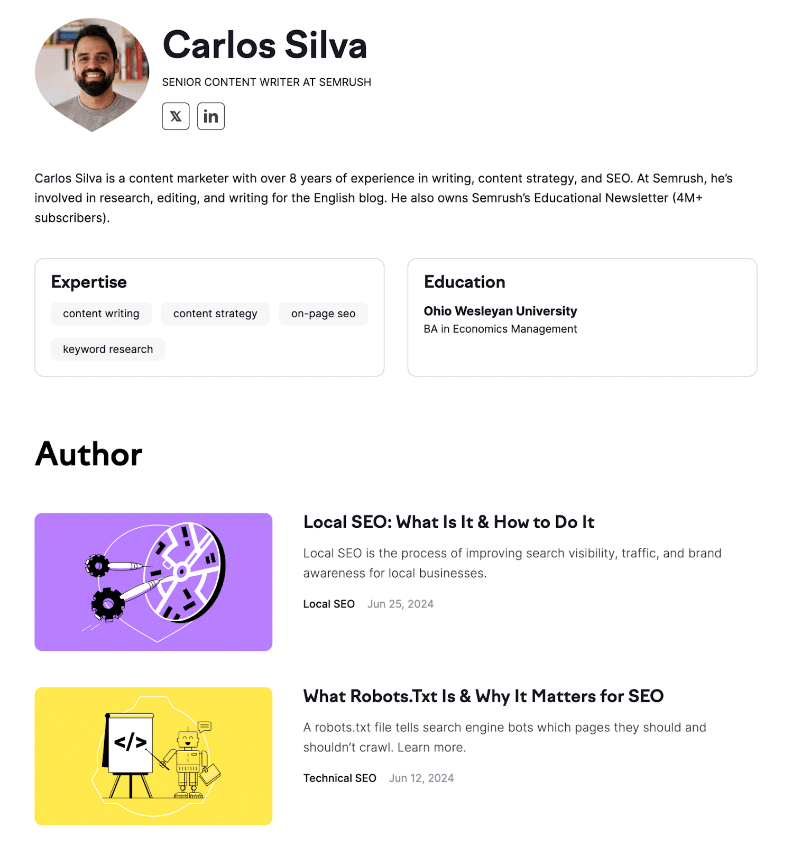
Credit Your Content Creators
No more “admin” or “staff” as the author. Link to actual expert bios so users (and algorithms) know why to trust the information. Add author credentials, achievements, and relevant experience front and center.
Use Credible Sources
Everything should be sourced from credible places and not just generic blogs, like-
- Professional bodies
- Academic publications
- Real experts
Fact-check and reference data wherever possible, which signals your commitment to EAT SEO.
Leverage User-Generated Content
Encourage readers to leave comments, reviews, or tips based on their own experiences. User-generated content (UGC) can make your site feel more authentic and boost the firsthand perspective Google loves to see.
Critics and Doubts Around EEAT
Not everyone in SEO agrees on how what is EEAT works. Some say it’s vague or not a true ranking factor. In a 2023 global poll, 21% of SEOs said AI like gen AI is the biggest disruptor, but 13.5% still called out EEAT and trusted sources as the most significant ranking influence right now.
It’s true that Google doesn’t have a “score” for EEAT. But the reality is, these signals guide everything that really matters to search results. Sites with strong EEAT tend to:
- Earn more backlinks naturally
- See lower bounce rates (people stay)
- Attract more shares and brand mentions
- Stand out in rankings
Sites with weak EEAT get overlooked by Google, lose trust, and watch others win traffic and readers. Some skeptics might raise eyebrows, but every leader today benefits from EEAT practices, whether intentionally or not. Success in SEO now rests on proving credibility, not just tricking algorithms.
Common Mistakes That Hurt EEAT (2026 Edition)
The majority of websites that fail at EEAT do not have weak topics as the reason for their failure but they overlook the essential trust signals. One of the main mistakes is to have AI content generated and then posted without human reviewing.
Google has all the time stated that AI writing is not a problem by itself, however, unreviewed, unverified and unoriginal AI output can instantly harm credibility. Readers can tell when the content is shallow or disconnected from real human insight.
The anonymity is another significant problem. When an article has no author or only lists generic names like “Admin,” it removes a layer of trust. Users today expect transparency. They want to know who is guiding them and why the person is qualified to do so.
On the technical side, failing to update content is another avoidable error. Outdated advice, broken links, old data and obsolete instructions weaken trustworthiness quickly, especially in fast-changing industries.
Some websites harm their EEAT unintentionally by using statistics without verifying the source or by making claims that no external authority can support. Others overuse stock images instead of showing real examples or original visuals. These mistakes don’t just reduce quality; they signal unreliability.
Avoiding these pitfalls can significantly strengthen your credibility and protect your site during major algorithm changes.
Real Examples of Strong EEAT in Action
Viewing the upside of EEAT is luxurious when you visit sites that do it right. An example is a trustworthy medical site that is at the forefront and is the only one that showcases writings of the certified physicians. In fact, these articles usually contain the doctor’s credentials, a tiny biography depicting the doctor’s subspecialty, and medically validated claims that are supported by peer-reviewed sources. New research is frequently reflected or, in other words, the content is updated frequently, which solidifies the trustworthiness.
The financial writer who is skilled in his/her work shows mastery by mingling market analysis with years of investment experience. The articles he/she writes contain real case studies, open methodologies with risk disclosures. In the long run, the readers start considering the writer’s opinion trustworthy and this trust results in steady visibility across the search engines.
Similarly, the travel creators are in the list of the best examples too. The one who has been to the place hesitantly shows paucity of information he knows. He gives insight into people he talks to, transport troubles, clandestine locations and the best tips he has got in person. Google’s algorithms detect these subtle hints as mere presence and purity of experience, hence this content is hard to resist for AI Overviews.
Nonetheless, product review sites that carry out personal tests on the items also possess strong EEAT. They gain authority when they describe the testing process, provide the original photographs and give a candid account of the results. These instances articulate a basic reality: the use of authenticity and experience in the content lift it faster than any other method.
Building Brand and Author Reputation Online (2026 Roadmap)
Reputation has become a very important factor for online visibility. By 2026, the blog and authors need a very strong-skilled digital identity to support EEAT. It is obvious that one of the first steps in the process of building authorship through the web is to have a presence for every content creator that is open to the public and mirrors their skills.
This public presence can be in the form of either a professional page, a verified social profile or a portfolio showing their background. Google’s systems are progressively linking content to real persons, thus author identity becoming a significant factor.
Gradually, mentions coming from trustworthy sources turn up as a strong authority. When a particular website, or an expert, is cited in the paper of a high profile publication, quoted in articles or interviewed for the discussions going on in their respective industry, the signals of authority keep getting built up. Such external validations tell not only the readers but also the search engines that the creator really enjoys the respect of his or her peer group.
Reputation also increases with the factor of time which in turn brings in the concept of. It is the practice of frequent publishing of high-quality content that gets most of the positive engagement, thus leading to the pattern of reliability.
This is coupled with getting the reviews of customers done, encouraging the satisfied customers to leave reviews, and maintaining a professional footprint across the web. Furthermore, adding the structured data of author schema or review schema helps the search engines to interpret these signals correctly and link them with your brand.
A strong reputation is not something that can be created overnight, but every genuine interaction does add to your long-term EEAT power. In the credibility-everything world, reputation building comes as an inevitable investment now, rather than an option.
Wrapping Up
Building genuine EEAT SEO isn’t about jumping through hoops. It’s about sharing what makes you worthy of trust by sharing experience, proven expertise, and honest, helpful advice. What is EEAT? It’s the answer to why people believe in your content, link to it, and stick around. By focusing on EEAT, your website isn’t just doing what Google wants; it’s also giving users what they look for every day. That’s what lasting search success feels like.
FAQs
Is EEAT still relevant in 2026?
Absolutely. EEAT in SEO remains a core framework guiding quality, trust, and content rankings in Google today. EEAT remains one of the strongest quality frameworks that Google uses when evaluating content.
What is an example of EEAT?
A perfect example of EEAT is a medical article written by a certified doctor. It shares personal treatment experience, showcasing clear expertise, authority and practical knowledge.
How do you optimize for EEAT?
Publish content with clear authorship and bios. Focus on experience, cite credible sources and use robust editorial standards and build a solid brand reputation.
What are Google guidelines for SEO?
Google recommends prioritizing EEAT signals while delivering helpful and original content. Demonstrate trust and authority through your site’s structure and people.
What Hurts Your EEAT?
Anonymous authors, poor or copied content with no credentials or proof of expertise and lacking user engagement can harm EEAT.
How does EEAT affect AI Overviews?
Content backed by strong experience, expert input and trustworthy sourcing is more likely to be selected for AI Overviews because it reduces the likelihood of errors and enhances reliability.
Can AI-written content rank if it follows EEAT principles?
AI-written content can rank, but only when reviewed, validated and enriched by humans with real expertise. Google evaluates quality, not authorship format.
What is the fastest way to improve EEAT for a new website?
Clarify authorship, show real experience, cite credible sources, build external reputation gradually and publish genuinely helpful content consistently.