What Is SEO Forecasting and Why Does It Matter in 2026?

SEO forecasting has become an important part of marketing strategy this year. Businesses want to know where their organic growth is heading or how much traffic they can expect. They are wondering about what revenue might follow. That is where forecasting SEO traffic comes in as it helps marketers predict rankings with clicks and sales impact.
But here is the tricky part. No SEO forecast is 100% precise. Search engines change. Competition changes. Still, building realistic SEO projections offers clarity on where to focus and how to adjust strategy. So, when you wonder what is SEO forecast, think of it as your roadmap for smarter resource allocation.
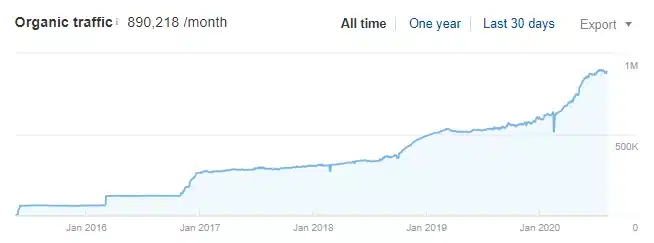
Companies can make sharper decisions and avoid guesswork with the right SEO forecasting tool. The procedure may sound complex but once you understand how to forecast for SEO, you’ll see why it’s an indispensable part of growth planning today.
What Is SEO Forecasting?
SEO forecasting means predicting-
- Future rankings
- Search traffic
- Business value from your optimization work
Companies can estimate revenue potential tied to search visibility by using forecasting SEO traffic.
You usually calculate click-through rate (CTR) to get there and check your organic conversion rate. Then connect that with sales from search traffic. Each of these steps helps form realistic SEO projections.
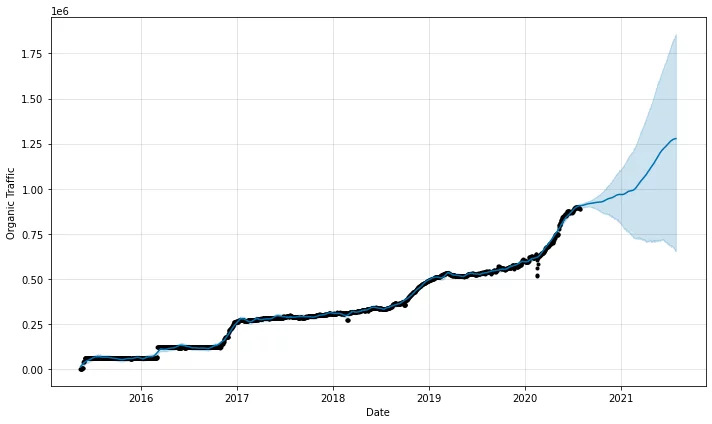
There is not a universal way to create an SEO forecast. Marketers sometimes use different methods depending on their goals or data and tools. Accuracy can vary because of this but that does not reduce the value. The process highlights focus areas and help teams plan smarter even when numbers are not exact.
So, what is SEO forecast really about? It is less about perfect predictions and more about guiding decisions. Using the right SEO forecasting tool and procedure is important. It can help you learn how to forecast for SEO that reduces guesswork and maximizes growth opportunities.
Why SEO Forecasting Is Important
The value of SEO forecasting depends on your role and goals. You will likely be asked to deliver SEO projections once or twice a year when you manage enterprise SEO. These reports show how much growth you expect from organic search and how that impacts revenue.
Companies set targets but your SEO forecast may not always match them. Let us say your work points to 15% annual growth but the target is 25%. That gap gives you leverage. You can show that meeting the higher target requires extra resources for content, internal links or outreach.
Forecasting SEO traffic for agencies is equally powerful. Many clients want to know when they will overtake a competitor or lead their market. Your SEO forecasting tool may show they are behind at current effort levels. Then it is easier to justify more budget, additional hours or a refined strategy.
Simply put, knowing how to forecast for SEO helps-
- Set expectations
- Guide strategy
- Win trust
Adding an SEO forecast to pitches or internal planning can strengthen your case. It can also improve alignment and secure what you need to hit goals.
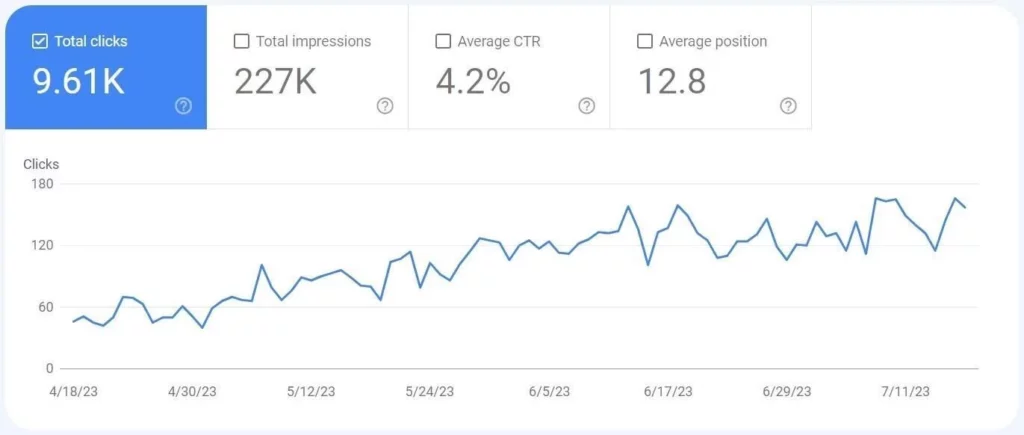
Here are ways how SEO forecasting helps-
Gives You a Competitive Edge Over Other SEOs
Case studies are common. Most agencies have them. What sets you apart is linking SEO forecasting with actual business outcomes.
Many companies already know search visibility matters. What they want is proof that clicks can turn into revenue. You prove value in plain numbers by showing forecasting SEO traffic alongside growth potential.
Clients see you differently when you can explain how to forecast for SEO and connect rankings to profit. An SEO forecast that demonstrates how they can outperform competitors in search is sometimes the deciding factor. It is how you win accounts others cannot.
Gives You a Case for More Resources
You establish realistic expectations with SEO projections. That allows leadership to see where resources should go.
Picture this: the social team asks for a new hire, but your content team also needs another writer. Budgets are tight, and only one role will be approved. By presenting an SEO forecast backed by data, you can show the direct impact of more content on growth.
When stakeholders see the link between forecasting SEO traffic and future revenue, your case becomes stronger. Using a reliable SEO forecasting tool makes it even easier to argue for the support you need.
Can Improve Client Relations
Winning client trust isn’t simple. But a clear SEO forecast helps. Showing projected customers, conversions, and revenue builds credibility.
Clients want transparency. Sharing how to forecast for SEO and letting them see the process keeps communication open. It’s not just about numbers, it’s about showing them the bigger picture.
When your SEO projections reveal growth opportunities, clients are more confident in your strategy. And that confidence leads to stronger, longer partnerships.
SEO Forecasting in a Zero-Click Search Environment (Reality of 2026)
A significant change in the way people search and interact with the search results has to be considered when making the SEO forecasting of the year 2026. Zero-click searches have taken over completely and this is no longer a scenario but rather the new normal.
The new normal is characterized by featured snippets, AI summaries, People Also Ask boxes, and Google’s continuously developing AI Overviews being the main driving forces behind it. The traditional SEO forecasting models which are based solely on rankings and raw search volume do not tell the whole story anymore.
Modern SEO forecasting has to not only predict the visitors but the whole visibility of the site. A webpage that is ranked first in search results will have less clicks if Google gives the answer directly on the SERP.
Thus, the prediction of SEO traffic is now dependent on SERP features, pixel depth, and intent satisfaction analysis rather than the assumption that position means clicks.
What this makes different in practice is the way of communication of the forecasts. Instead of just indicating an increase in traffic, it will be necessary to model the brand exposure, assisted conversions, and downstream engagement in the SEO forecasting.
A zero-click result may still affect the purchase decision later, especially in B2B or high-consideration markets, since it may have exerted its influence at the very first stage of the customer’s journey.
Those marketers whose plans are for 2026 will find that SEO forecasting is gradually moving from being concerned with the overestimated numbers to bringing about the impact. This encompasses not only impression share but also branded search lift and conversion influence across channels.
The SEO forecasting frameworks of the teams that will be adapted to the above-mentioned reality will not set unrealistic expectations, thus avoiding the pitfall of overpromising results that the new search behavior no longer supports.
Types of SEO Forecasting
There are several ways to approach SEO forecasting. Each method offers different insights into performance and growth. The most common approaches include keyword tracking, analytics analysis, and competitor research. Together, this help form stronger SEO projections.
Keyword Tracking
Keyword tracking predicts rankings and future trends by monitoring specific keywords over time. This form of forecasting SEO traffic helps you react quickly to changes in search results.
Imagine you run an online shoe store. You’d start with keywords like “running shoes” or “cross-training sneakers.” A tracking tool monitors how these terms perform in search. Over time, the data shows patterns. From there, you can adjust your content to improve visibility.
Pros
- Simple setup and fast insights
- Tracks keyword changes over time
- Supports quick response to SERP shifts
Cons
- May miss relevant keywords
- Accuracy depends on the SEO forecasting tool
Analytics Analysis
This approach uses Google Analytics or similar tools to study user behavior, traffic, and conversions. By tying that data to your strategy, you can build stronger SEO projections.
Say you sell pet supplies online. Analytics shows most traffic comes from mobile devices, but bounce rates are higher on mobile than desktop. That signals a problem. A responsive design or faster load time could reduce those losses.
Even with changes like GA4 replacing Universal Analytics, analytics analysis remains vital. It gives you real data for an SEO forecast and helps answer what is SEO forecast in practical terms.
Pros
- Reveals user behavior and site performance
- Identifies optimization opportunities
- Supports ROI-driven SEO forecasting
Cons
- Data can be skewed by external factors
- Requires time and expertise to manage
Competitor Research
Competitor research compares your SEO performance with others in your market. It’s a way to spot gaps, find keyword opportunities, and create informed SEO projections.
Take a small candle shop, for example. If a competitor ranks high for “natural candles,” you can create content around that keyword and strengthen your position. You might also notice they’re investing in videos. By adding video content, you increase your reach and engagement.
Pros
- Shows effective strategies in your niche
- Highlights industry benchmarks
- Strengthens how to forecast for SEO
Cons
- Doesn’t account for indirect competitors
- Some data may be subjective
Short-Term vs Long-Term SEO Forecasting Models
Not all SEO forecasting serves the same purpose. In 2026, the most effective teams separate short-term forecasts from long-term projections to guide different decisions. Short-term SEO forecasting focuses on the next three to six months. It helps teams estimate the impact of content updates, technical fixes, or link acquisition campaigns.
Long-term SEO forecasting, on the other hand, models growth over twelve to twenty-four months. This is where SEO forecasting becomes strategic rather than tactical. Long-term forecasts account for content velocity, domain authority growth, market expansion, and brand demand over time. They are essential for budgeting, hiring decisions, and executive planning.
The mistake many teams make is using short-term SEO forecasting logic for long-term goals. Ranking improvements rarely scale linearly. Early growth may be slow, followed by compounding gains as topical authority strengthens. Long-term SEO forecasting must reflect this non-linear reality.
By clearly separating these models, marketers can avoid frustration when early projections appear modest. Short-term SEO forecasting answers “What happens next?” while long-term SEO forecasting answers “Where does this investment take us?” In 2026, mature SEO programs rely on both to maintain credibility and guide sustainable growth.
Keyword-Level Forecasts
One common way to build SEO projections is at the keyword level. The basic formula looks like this:
Search volume × average click-through rate (CTR)
While simple, this method has limits. It only accounts for keywords you’ve entered, often one per page. But in reality, a single page can rank for dozens of terms and attract far more traffic.
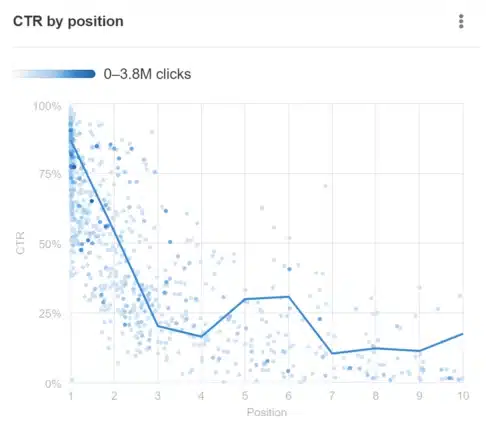
Another issue is the reliance on generic CTR curves. These don’t always reflect your site. That’s why a smarter method is to build a custom CTR curve from your Google Search Console data. Doing this gives you a clearer SEO forecast for your actual site performance.
If you want to go further, some tools let you project future keyword volume. Features like “Traffic Potential” show how much total organic traffic the top-ranking page for a keyword receives. This helps you understand the true ceiling for growth, making forecasting SEO traffic more realistic.
Page-Level SEO Forecasting (Why Keywords Alone Aren’t Enough)
Keyword-based models are useful, but in 2026, SEO forecasting increasingly happens at the page level. Search engines no longer rank pages for one keyword; they rank them for entire topic clusters. Page-level SEO forecasting evaluates how a single URL performs across dozens or even hundreds of related queries.
This approach produces more realistic SEO projections. Instead of multiplying one keyword’s volume by a CTR curve, page-level SEO forecasting looks at historical impressions, total query coverage, and engagement trends from Google Search Console. It reflects how pages actually earn traffic.
Page-level SEO forecasting is especially important for content-heavy sites. Blog posts, category pages, and guides often attract traffic from unexpected long-tail searches. Ignoring this leads to underestimating growth potential. In 2026, forecasting SEO traffic accurately means modeling how pages expand their keyword footprint over time.
This method also improves decision-making. When teams forecast at the page level, they can prioritize updates that unlock the most incremental traffic instead of chasing isolated keywords. SEO forecasting becomes more actionable, more defensible, and far closer to real-world performance.
First-Party vs Third-Party Data
Most reliable SEO forecasting starts with first-party data sources like Google Analytics or Google Search Console. These give you direct insight into your site’s clicks, conversions, and trends. If you want precise SEO projections tailored to your site, this is where to start.
But SEO isn’t only about your own numbers, it’s about competition. To see how you stack up, you need third-party tools like Ahrefs or Semrush. These can show competitor keywords, backlink profiles, and performance trends. They may not always reflect seasonality in perfect detail, but they’re essential for understanding the market.
So, what is SEO forecast really about here? It’s about balance. Use first-party data for accuracy on your site, and third-party data to see where you stand in the bigger picture. Combining the two gives you a stronger base for how to forecast for SEO and lets you use any SEO forecasting tool to its fullest.
Forecasting SEO Traffic with Search Intent Segmentation
One missing layer in many SEO forecasting models is intent segmentation. In 2026, search intent plays a bigger role than ever in how traffic converts. Forecasting SEO traffic without separating informational, commercial, and transactional intent leads to misleading projections.
Intent-based SEO forecasting estimates not just how much traffic you may gain, but what that traffic is worth. Informational pages may drive volume and brand exposure, while transactional pages drive revenue. A realistic SEO forecast assigns different conversion assumptions to each intent group.
This also improves stakeholder trust. When leadership sees SEO forecasting broken down by intent, expectations become clearer. Not all traffic is equal, and forecasting SEO traffic responsibly means acknowledging that difference upfront.
As search behavior becomes more conversational and AI-assisted, intent clarity becomes even more critical. SEO forecasting in 2026 must move beyond “how much traffic” and answer “what kind of traffic.” Teams that integrate intent segmentation into their SEO forecasting frameworks will deliver forecasts that align more closely with business outcomes.
SEO Forecasting with Third-Party Data: Use Cases
Third-party platforms are valuable for shaping SEO projections when first-party data isn’t enough. They help you estimate growth potential, monitor competitor moves, and measure new keyword opportunities.
For example, if you’re launching a new site with little traffic history, first-party data won’t show much. A third-party SEO forecasting tool can model traffic estimates based on competitor performance. This gives you a working SEO forecast even before your site has significant data.
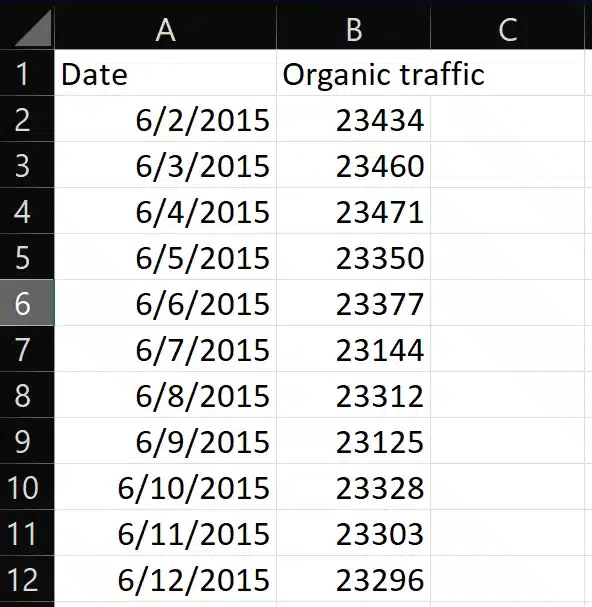
Another use case is competitive analysis. If a rival gains momentum with certain keywords, forecasting SEO traffic through third-party insights can show whether you need more content, stronger links, or a shift in strategy. It may not be perfect, but it answers the practical question of how to forecast for SEO in a market where competition sets the pace.
Adjusting Script Settings & Details
Sometimes, building an SEO forecast involves running scripts that automate reporting. Adjusting script settings like time ranges, CTR curves, or keyword inputs, directly affects the accuracy of your SEO projections.
For instance, a script pulling CTR from outdated models might undercount traffic opportunities. By feeding it fresh Google Search Console data, you create a closer match to reality. Similarly, adjusting scripts to account for seasonality or device type ensures your SEO forecasting tool reflects how people actually search.
Fine-tuning scripts isn’t about perfect prediction. It’s about making forecasting SEO traffic as close to real conditions as possible. That makes your process credible when stakeholders ask what is SEO forecast really worth to the business.
Advanced SEO Forecasting
Advanced methods combine multiple data sources and modeling techniques. Instead of relying on just one formula, you merge click data, conversion rates, and competitor insights for a layered SEO forecast. In 2026, advanced SEO forecasting also incorporates SERP volatility, intent shifts, and AI-driven result formats that affect click behavior.
Machine learning is also entering this space. Some advanced SEO forecasting tools now use predictive models that simulate how algorithm shifts or SERP changes might affect traffic.
This makes SEO projections more dynamic, helping you prepare for different scenarios instead of a single outcome. These models don’t replace strategy, but they enhance SEO forecasting by offering scenario-based planning rather than static projections.
At its core, advanced forecasting is about decision-making. It shows you how to forecast for SEO in ways that reduce risk and uncover opportunity. Whether you’re pitching a client or planning internally, combining methods creates a forecast strong enough to guide real investment decisions.
Modern SEO forecasting is less about predicting exact numbers and more about preparing for multiple growth paths. Whether you are pitching a client or planning internally, combining methods creates a forecast strong enough to guide real investment decisions.
Common SEO Forecasting Mistakes to Avoid in 2026
Even experienced teams misjudge SEO forecasting when assumptions go unchecked. One common mistake is treating search volume as static. In reality, search behavior shifts constantly due to trends, platform changes, and AI-driven discovery. Forecasting SEO traffic without accounting for this leads to inflated expectations.
Another issue is ignoring implementation constraints. SEO forecasting often assumes perfect execution, but delays in development, content approvals, or budget constraints change outcomes. Realistic SEO forecasting factors in operational friction.
Overconfidence in tools is another risk. An SEO forecasting tool is only as good as the data and assumptions behind it. Blindly trusting projections without sanity checks can damage credibility with stakeholders.
In 2026, the biggest mistake is presenting SEO forecasting as a promise instead of a probability. Strong forecasts communicate ranges, scenarios, and confidence levels. This builds trust and positions SEO as a strategic discipline rather than a guessing game.
How Often Should SEO Forecasts Be Updated?
SEO forecasting is not a one-time exercise. In 2026, the most effective teams revisit forecasts quarterly, or whenever major changes occur. Algorithm updates, new competitors, site migrations, or shifts in business goals all require refreshed SEO projections.
Updating SEO forecasting regularly ensures alignment with reality. Early signals from Google Search Console, ranking changes, or conversion trends help validate or correct assumptions. This feedback loop is what makes SEO forecasting valuable over time.
Rather than treating forecasts as fixed documents, modern teams treat them as living models. Each update improves accuracy and sharpens strategic focus. This ongoing refinement is what separates mature SEO programs from reactive ones.
Conclusion
SEO forecasting won’t ever be flawless, but it’s still one of the most practical ways to guide marketing. By creating clear SEO projections, you give structure to goals, budgets, and expectations.
Whether you’re using first-party analytics, third-party tools, or advanced models, the goal remains the same: to make smarter choices. With accurate forecasting SEO traffic, you can spot opportunities, justify resources, and show measurable value.
At the end of the day, what is SEO forecast really teaching us? It’s not about predicting the future down to the last click, it’s about direction. With the right SEO forecasting tool and a steady approach, you’ll know how to forecast for SEO in a way that keeps growth steady and clients confident.


FAQs on SEO Forecasting

It’s predicting rankings, clicks, and revenue from search optimization, often supported by an SEO forecasting tool.
You use data like search volume, CTR, and conversions to build SEO projections that show expected traffic and sales.
An SEO forecast helps allocate resources, manage expectations, and plan strategies that align with realistic growth goals.
Tools like SEMrush, Ahrefs, or in-house dashboards make forecasting SEO traffic easier by combining keyword, traffic, and competitor data.
No. But learning how to forecast for SEO ensures your decisions are based on evidence instead of guesswork, even if exact numbers vary.
Most SEO forecasting models should project 12-18 months ahead, with shorter forecasts used for tactical planning and longer ones for strategic investment decisions.
Yes. SEO forecasting helps small businesses prioritize efforts, avoid wasted spend, and set realistic expectations even with limited resources.
AI improves pattern recognition and scenario modeling, but SEO forecasting still depends on human judgment to interpret results correctly.
No, but SEO forecasting can model potential impact scenarios, helping teams prepare for volatility instead of reacting blindly.
Absolutely. Brand demand often increases as SEO visibility improves, and excluding it leads to incomplete forecasts.
Clear assumptions, conservative ranges, and a strong connection between SEO forecasting and business outcomes build executive trust.