All SEO
  SEO News
  SEO Strategy
  Ask An SEO
  Enterprise SEO
  Google Algorithm Updates
  International SEO
  Link Building
  Local SEO
  Mobile SEO
  On-Page SEO
  Technical SEO
  Vertical SEO
  Wordpress for SEO
  Web Dev for SEO
  SaaS SEO
  E-commerce SEO
  AI-Driven SEO
 Elon Escalates Clash With EU Over Latest X DSA Penalty

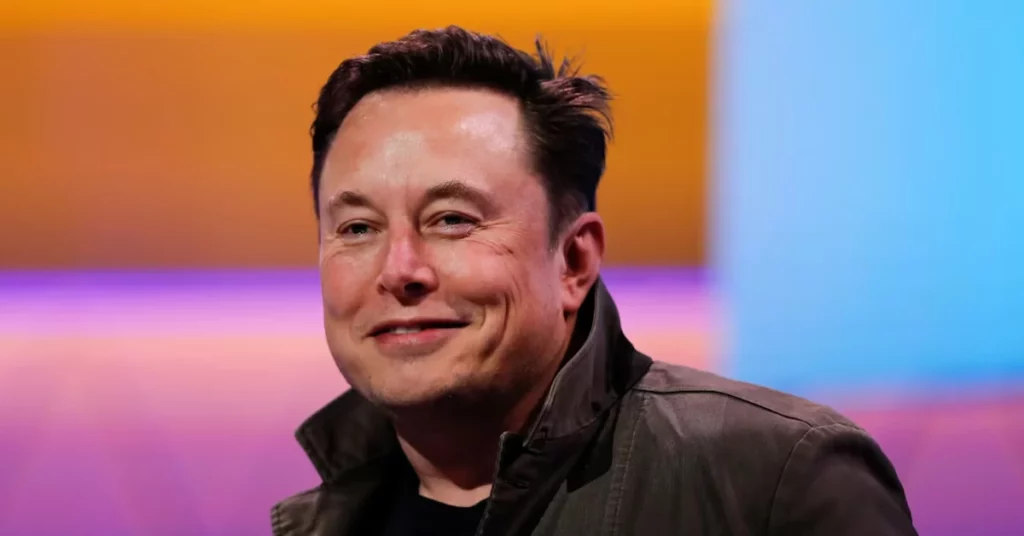
Elon escalates clash with the EU over latest X DSA penalty, intensifying regulatory tensions and raising new questions about platform compliance and enforcement.
Elon Musk is gearing up for a full-scale confrontation with the European Union after regulators hit X with a major penalty under the Digital Services Act (DSA), and leading figures in the Trump Administration are lining up behind him. The case is quickly becoming a proxy battle over free speech, platform transparency, and how far U.S.–EU tensions on tech regulation might go.
Why X Was Fined Under The DSA
Late last week, the European Commission issued X a €120 million (around $140 million) fine for breaching its DSA obligations related to transparency and deceptive design. The core issue is X’s paid verification system to anyone who pays for X Premium can obtain a blue checkmark, which used to signal that an account had been identity-verified under Twitter’s old rules.
Last year, former EU Commissioner Thierry Breton publicly criticized X’s revamped verification system, which now allows anyone to purchase a blue checkmark. Under the old Twitter model, verification was meant to limit misinformation by confirming the identities of public figures, brands, and government entities.
Breton argued that X’s paid model obscures what the checkmark represents, making it potentially deceptive and in violation of the DSA’s transparency requirements.
You could argue Twitter’s own verification criteria had inconsistencies, and that Musk’s changes have since diluted the value of the blue badge to the point where it no longer signals trust at all. Still, this issue formed the basis of the EU’s initial complaint.
Combined with additional transparency concerns, it triggered a broader investigation. In response, Elon Musk dismissed the claims and said he welcomed “a very public battle in court” so Europeans could “know the truth.”
Now, that showdown looks more likely, as the EU Commission has issued X a significant fine for violating the DSA’s rules on deceptive design practices.
According to the official EU notification:
“This deception exposes users to scams, including impersonation frauds, as well as other forms of manipulation by malicious actors. While the DSA does not mandate user verification, it clearly prohibits online platforms from falsely claiming that users have been verified, when no such verification took place.”
This suggests X is doing minimal background checks on X Premium subscribers, effectively granting a blue checkmark to anyone willing to pay and verify a phone number.
Musk’s Defiance And 90-Day Compliance Deadline
Musk had already signaled he would not simply accept Brussels’ view of the law. When the verification concerns were first raised, he said X was looking “forward to a very public battle in court, so that the people of Europe can know the truth.”
Now that the fine is formal, X has 90 days to submit a detailed action plan explaining how it will address the Commission’s concerns, or risk additional penalties that could eventually reach up to 6% of its global annual turnover.
Rather than hint at compliance, Musk has doubled down publicly. In recent posts, he has compared the EU’s regulatory approach to authoritarian regimes, backed calls for the U.S. to leave NATO, and amplified demands for dismantling the current EU framework altogether in response to what he sees as political overreach into American tech.
It’s a deliberately confrontational posture that all but guarantees this will move into a long-running legal and diplomatic fight.
Trump Administration Signals Support For Musk
Senior figures in President Trump’s Administration are already framing the penalty as an attack on American platforms more broadly. Vice President J.D. Vance and Secretary of State Marco Rubio have both criticized the EU’s move, with Rubio describing the fine as “an attack on all American tech platforms and the American people by foreign governments.”
This fits a long-standing Republican narrative that EU digital rules are protectionist and incompatible with U.S. free speech traditions.
Earlier this year, FCC Commissioner Brendan Carr called the DSA “incompatible with America’s free speech tradition,” while Trump has repeatedly threatened new tariffs and trade measures in response to European rules he argues unfairly target U.S. firms.
Until now, the White House has stopped short of concrete retaliatory action over DSA enforcement, but the political prominence of Musk and his close alignment with Republican leaders raises the stakes.
Potential U.S. Retaliation And The Meta Angle
Reports in recent months indicated the State Department has been exploring possible responses to EU digital regulations, including visa limits, tariffs, and import restrictions, as options if U.S. companies continue to face heavy penalties under the DSA. If Washington decides this X case is the moment to push back harder, those ideas could quickly return to the table.
Ironically, any U.S. retaliation could benefit Meta as much as X. Meta has paid more than $1 billion per year in recent EU fines and has been working to build goodwill with the Trump Administration in hopes of securing backing against what it views as overreaching enforcement.
Should the White House adopt a more aggressive stance toward European digital regulation on behalf of Musk, Meta and other U.S. platforms might also gain leverage in their own disputes with Brussels.
Social Platforms As Geopolitical Flashpoints
Beyond the immediate penalty, this episode underscores how central social media has become to geopolitical relationships. U.S.–China tensions now routinely intersect with debates over TikTok, and U.S.–EU relations are increasingly shaped by disagreements over how platforms like X and Facebook should moderate content, protect users, and share data.
What started as tools for real-time conversation are now deeply entangled with questions of national security, trade, and democratic norms. A fine over blue checkmarks and ad transparency may sound narrow, but the reactions around it show how easily platform rules can escalate into diplomatic friction.
Final Thought
This clash between Musk and the EU is expected to intensify in the coming months and can become a key test of how far both sides are willing to go to defend their respective visions of digital governance.