How to Build a Winning International SEO Strategy


Expanding into new countries sounds exciting but it rarely works without a clear plan. That is where international SEO comes in. It is about making sure search engines understand which markets and languages your website should rank in. Even the best content may stay invisible without it to people outside your home country.
To succeed, you need more than a translated website. You need international SEO. It is the process that helps search engines show the right version of your site to the right audience.
Here is why it matters. A study found that 75% of people prefer to purchase products in their own language. That means you risk losing trust before a customer even considers clicking ‘buy’ when your content is not adapted. This one fact explains why some global businesses thrive while others struggle to get noticed online.
An effective international SEO strategy builds the bridge. It combines technical setup with smart keyword targeting and cultural relevance so your brand can compete and win in new regions. That’s why building an effective international SEO strategy is not optional anymore. It is the foundation for real growth in global markets.
What is International SEO?
You must be wondering- What is international SEO? In simple words, it is the technique of making your website visible in search results across different countries and languages. It is different from local SEO which helps you rank within your home market. International SEO ensures people abroad find the right version of your site that speaks to their language and intent.
It is not just about translating pages. Think about how someone in Mexico searches for shoes compared to someone in Spain. The language is technically the same but the words and phrasing can be very different. That is where SEO international sites need a plan to serve the right content to the right audience.
International SEO at its core tells search engines three things-
- Which country you are targeting
- Which language you are using
- How your content fits user intent
Get those right and your site becomes easier to discover globally.
Recognizing Variations in Search Intent Around the World
Even though the same language is spoken, the intent behind a query can vary greatly from one region to another and one of the most neglected aspects of international SEO meaning is search intent variation.
A person in the UK searching for “best accounting software” might be comparing different compliance tools, while one in India may be more concerned about the price or tax compatibility in their area. Therefore, treating these searches as identical is not a good idea because it limits performance.
In 2026, search engines give more importance to alignment of intent over just matching the keywords. This makes it necessary for an international SEO strategy to understand the regional intent as a main layer.
It is no longer enough to just rank for the same term worldwide. Your content needs to correspond to what the users in that area expect when they click. There are many factors that create differences in intent such as economic conditions, device usage, regulations, and even cultural buying behavior.
This is the reason why the best international SEO guide always comes up with the mapping of intent for each country. The websites in a certain region should cater to the questions of that region and not the hidden assumptions of the whole world.
When there is a mismatch in the intent, the rate of people leaving the pages quickly increases and engagement decreases. In the long run, this situation creates negative quality signals for search engines.
However, the content that is tailored to local intent increases relevance, dwell time, and conversions. Consequently, this strategy transforms international SEO from being a visibility tactic to a performance-driven growth channel.
What is an International SEO Strategy?
An international SEO strategy is the plan that guides how your site reaches people in different countries and languages. It is not a universal setup. Each region has unique search behaviors with language differences and buying habits. A good strategy brings all of these together. This helps search engines know which version of your site to show in each market.
It usually starts with research. You figure out-
- Which countries to target
- Which languages are spoken
- What people are searching for
From there, you decide on URL structures, use hreflang tags, and build content that speaks directly to local needs. That is what separates a strong international SEO strategy from a simple translation.
In practice, it covers three main parts-
- Technical optimization
- Keyword targeting
- Cultural adaptation
Your website feels local to every audience when these align while still being managed as a single global asset.
Why is International SEO Important?
Expanding into new markets without a search plan often leads to wasted effort. People in different countries don’t just speak different languages. They also search differently, trust different signals, and expect content that feels local. That’s why international SEO is critical.
The numbers show the opportunity. About 70% of global search queries are non-English, which means most searches happen outside the English-speaking world. Cross-border ecommerce is projected to hit $7.9 trillion by 2030, growing faster than many domestic markets. If your site isn’t optimized for those audiences, you’re missing the bulk of online demand.
Another factor is trust. Research proves that buyers are far more likely to purchase when the website speaks their language. By building a clear international SEO strategy, your site isn’t just visible. It feels relevant, reliable and built for that specific market.
Local SERP Features and How They Impact International Rankings
Search results don’t look the same everywhere. Local SERP features such as shopping carousels, local packs, featured snippets, and regional marketplaces vary by country. Understanding these differences is essential for building a future-proof international SEO strategy.
For example, product queries in Southeast Asia often prioritize marketplace listings, while European SERPs may emphasize comparison guides or regulatory information. Ignoring these patterns means optimizing for rankings that users may never see.
In 2026, Google continues to localize SERPs aggressively. This means your international SEO guide must account for how results are displayed, not just where you rank. A page ranking third in one country might appear above the fold, while the same position elsewhere may be buried below ads and widgets.
Optimizing for local SERP features requires adapting content formats. Some markets reward long-form guides, while others favor concise answers or structured data. Understanding these nuances strengthens your international SEO meaning in practice, ensuring your content earns visibility where it matters most.
Factors That Affect International SEO
Several factors influence how well your site performs across different regions. Ignoring even one can limit results, so it helps to know what matters most in international SEO.
- Language targeting: Using the right language versions builds trust and improves rankings. Just translating isn’t enough. Content should reflect how locals actually search.
- Domain and URL structure: Search engines look at your setup, whether you use country-code domains, subdirectories, or subdomains, to figure out targeting.
- Hreflang implementation: These tags tell Google which language and country version of a page to serve. Yet, studies show over 67% of sites get this wrong, which hurts visibility.
- Site speed and CDN: Global users need fast-loading pages. A content delivery network (CDN) helps serve content closer to them.
- Cultural context: Keywords alone don’t work. Your messaging, examples, and offers should align with local expectations.
The Role of Structured Data in International SEO
Structured data has become a powerful signal in international search visibility. As search engines rely more on machine-readable context, schema markup helps clarify language, geography, and content purpose. This makes structured data an essential component of modern international SEO.
In 2026, structured data plays a key role in eligibility for enhanced SERP features across regions. Product schema, FAQ schema, and organization markup can improve click-through rates when localized correctly. However, many global sites fail to localize schema values, weakening their international SEO strategy.
A strong international SEO guide ensures that structured data matches the language and country of each page. Currency, address formats, and regional identifiers must align with local expectations. When implemented correctly, schema reinforces your international SEO meaning by helping search engines interpret relevance accurately.
This approach also improves crawl efficiency and reduces ambiguity when multiple language versions exist. Structured data doesn’t replace hreflang or localization, but it strengthens them. Together, they form a clearer signal that supports long-term international performance.
International SEO Best Practices
Building an international SEO strategy is one thing. Putting it into action is another. This is where best practices guide the execution. Think of them as the guardrails that prevent your site from sending mixed signals to search engines or frustrating users in different markets. A plan may look good on paper, but if hreflang is broken, your site loads slowly overseas, or your links point users to the wrong language version, the results will suffer.
Best practices aren’t just technical details. They cover research, site structure, and even how you think about language. Done right, they help search engines understand your targeting, while making users feel like your site was built for them from the start. Let’s look at the key practices that shape strong SEO international sites and support long-term growth.
Content Governance for Multi-Region SEO Teams
As international websites scale, content governance becomes a hidden challenge. Without clear processes, content quality drifts, messaging becomes inconsistent, and SEO signals weaken. In 2026, successful international SEO strategy execution depends heavily on how teams manage content across regions.
Governance defines who creates content, who approves it, and how updates are handled. Without this structure, outdated pages linger and localization errors multiply. A reliable international SEO guide emphasizes governance to protect quality and consistency.
Clear guidelines ensure local teams adapt content without breaking SEO foundations. This includes maintaining keyword intent, preserving internal linking logic, and aligning with brand voice. Governance doesn’t restrict creativity; it enables scalability.
Strong governance also supports faster updates when regulations, products, or search trends change. This operational clarity reinforces international SEO meaning by ensuring your global presence remains accurate, relevant, and trusted across markets.
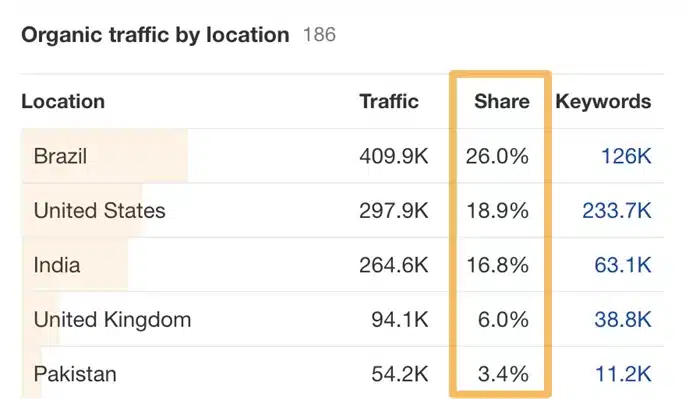
Define your international markets
Not every market will bring the same return. Start by checking where your traffic already comes from and where growth potential exists. Look at demand, competition, and buying power. By prioritizing the right regions, you save time and money. This step creates the foundation for a stronger international SEO rollout that delivers measurable results.
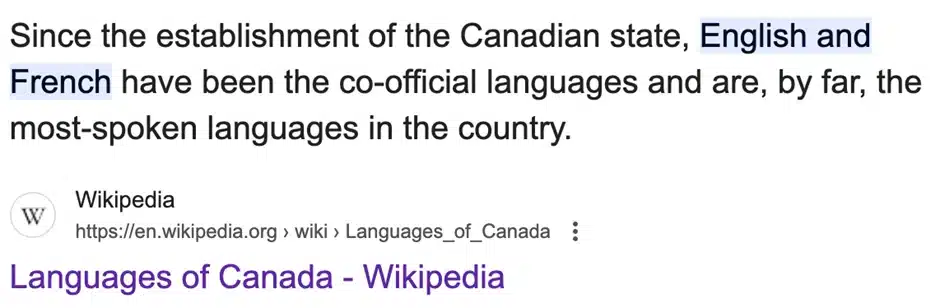
Consider all languages spoken in each global market
Countries rarely operate with a single dominant language. Canada, Switzerland, and India are clear examples. If you focus only on one language, you risk missing entire customer groups. Adjust content for each major language, not just the official one. This extra effort makes your international SEO strategy more inclusive and increases overall reach.
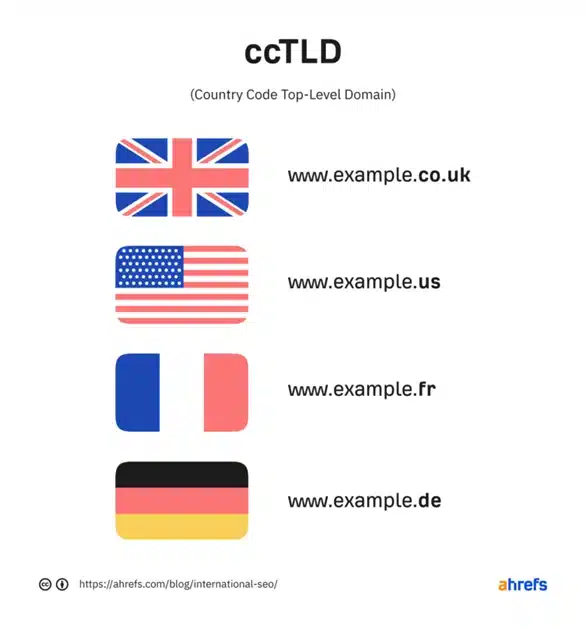
Decide on your URL structure
Search engines use your URL setup as a targeting clue. Options include country-code domains (example.fr), subdomains (fr.example.com), or subdirectories (example.com/fr). Each signals differently. Country-code domains send the clearest signal but can be harder to manage. Subdirectories are simpler but less specific. Choose based on resources and long-term SEO international sites growth.
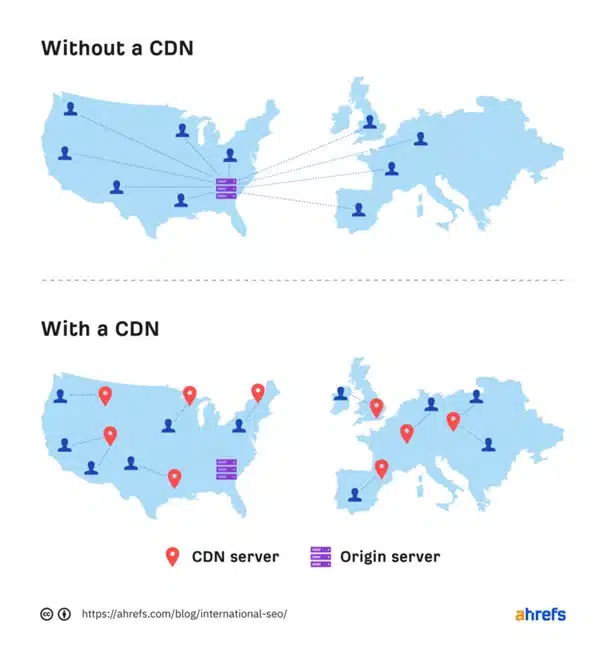
Install a content delivery network (CDN)
Distance affects speed. A CDN shortens that distance by storing your content on servers closer to the user. This reduces page load time, which directly influences both user experience and rankings. In competitive international markets, small differences in speed can impact conversions. Adding a CDN is a simple but impactful step for international SEO.
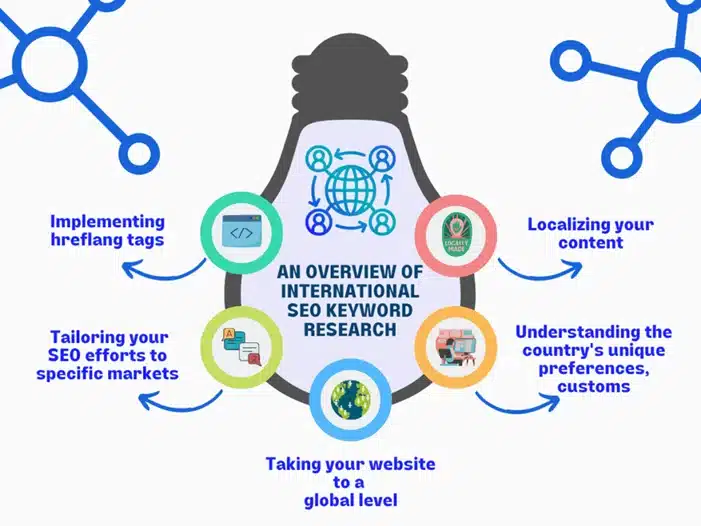
Do keyword research for each of your foreign markets
Direct translation often fails. The words used in Spain may differ from those in Mexico even though both speak Spanish. Without research, you may miss what people truly search for. Use local tools, native speakers, or professional services to find keywords. Correct targeting makes what is international SEO more effective in practice.
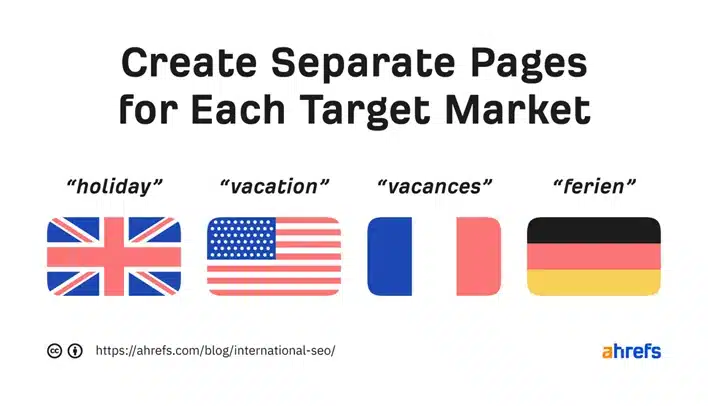
Use one language per page
Mixing languages on a single page confuses search engines. For example, combining English and German text makes it hard for Google to assign relevance. It also feels inconsistent for readers. Keep each page strictly dedicated to one language. This clarity improves rankings and ensures your international SEO implementation is clean and user-friendly.
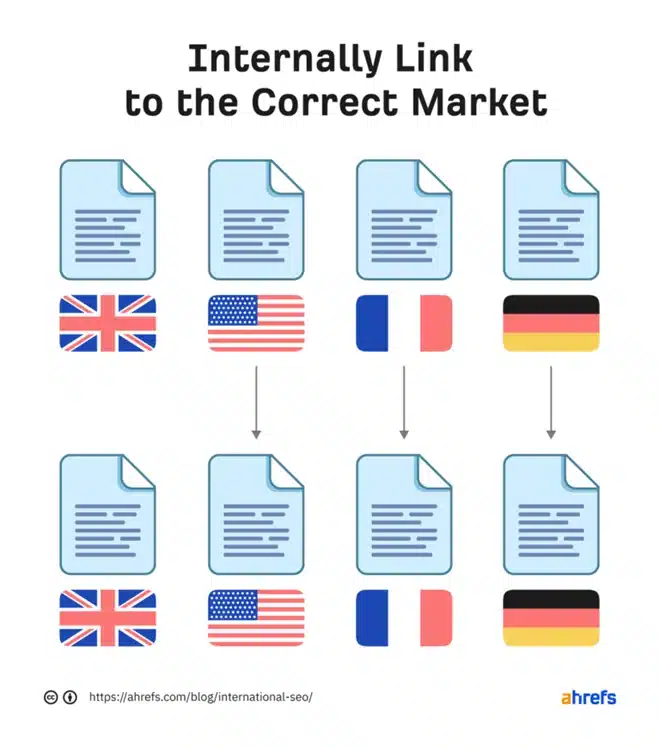
Ensure internal links only go to content in the same language
When users click a link in French, they should land on French content. Linking across languages frustrates users and weakens trust. Keep internal linking consistent within the same language environment. This makes navigation smooth and signals search engines that your international SEO strategy is organized and well-structured.
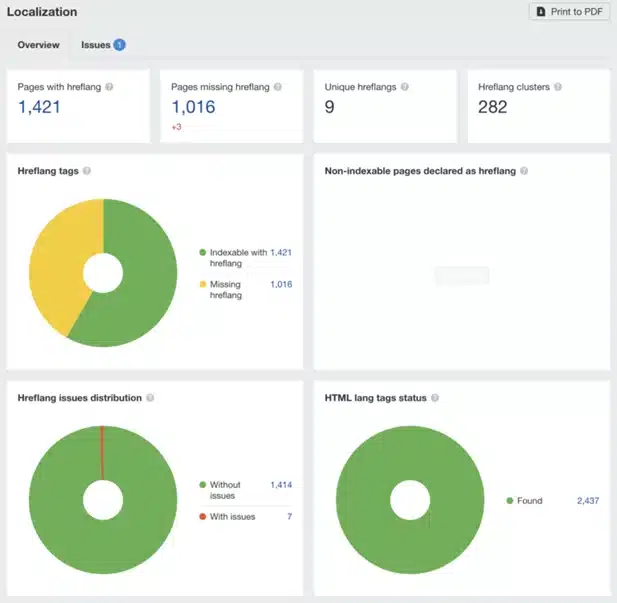
Implement hreflang properly
Hreflang tags help Google understand which version of a page matches a user’s language and country. Many businesses get this wrong, and studies show over 67% of implementations have errors. That can tank rankings. Proper audits and clean implementation ensure your content appears in the right region, making SEO international sites more effective.
Don’t redirect users based on their IP address or cookies
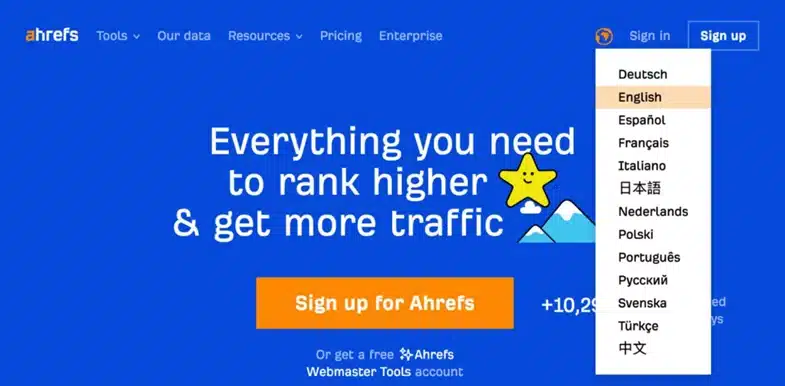
Redirecting by IP or cookies often sends users to the wrong page. Someone in Germany may prefer English, not German, but a forced redirect removes that choice. A better approach is offering clear language selectors. That way, your international SEO efforts respect user preferences while still supporting accurate targeting.
Build your backlink profile in each of your target countries
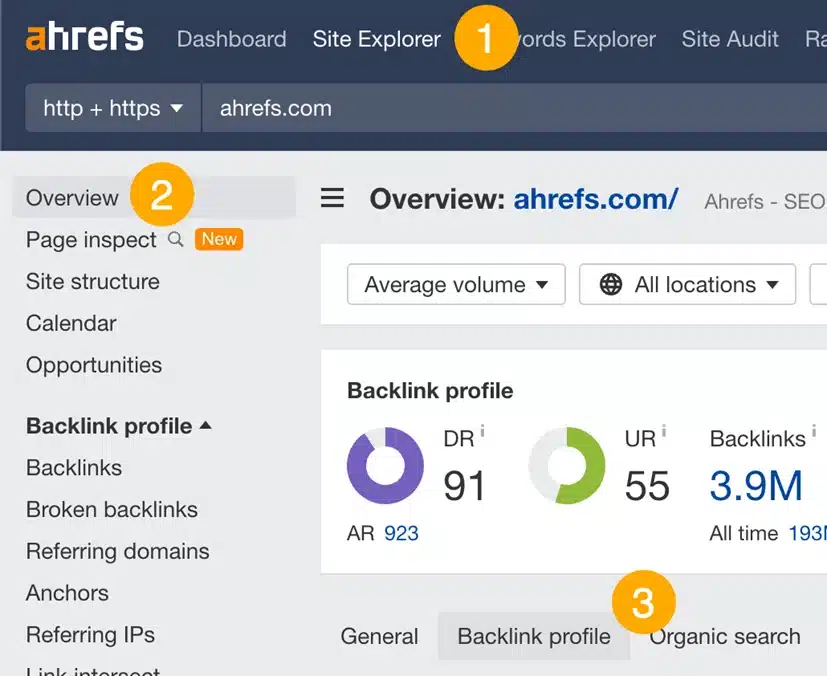
Links remain a major trust signal. But links from your home country won’t always boost rankings abroad. To succeed, earn backlinks from reputable local websites in your target regions. These signals tell Google your site is relevant in that market. Building regional authority strengthens your international SEO strategy long term.
Measuring International SEO Success Beyond Traffic
Traffic alone no longer defines success. In 2026, measuring international SEO performance requires a broader view. Engagement metrics, conversion paths, and regional revenue contribution matter more than raw visits.
Different markets mature at different speeds. Early-stage regions may show strong impressions but low conversions. Advanced markets might convert well with less traffic. A smart international SEO strategy evaluates performance within each market’s context.
Metrics such as local keyword visibility, time on page, assisted conversions, and branded search growth provide deeper insight. A practical international SEO guide treats analytics as a diagnostic tool, not just a reporting dashboard.
By tracking success holistically, businesses avoid premature decisions and continue investing in regions with long-term potential. This mindset aligns international SEO meaning with sustainable growth, not short-term wins.
Global SEO vs. International SEO
Many people confuse global SEO with international SEO, but they are not the same. Global SEO usually focuses on creating one consistent web presence that appeals to audiences everywhere. It treats the site as a single unit and prioritizes broad visibility across regions.
International SEO, on the other hand, is more targeted. It focuses on adapting content, structure, and signals for specific countries and languages. While global SEO casts a wide net, international SEO builds separate hooks for each market.
Here’s a simple comparison:
| Aspect | Global SEO | International SEO |
| Scope | Broad, all regions at once | Specific countries or languages |
| Content | One-size content for all | Localized for each audience |
| Technical setup | Often single domain | Uses hreflang, country signals |
| Backlinks | Global link profile | Regional link building |
| Goal | Universal visibility | Targeted visibility in chosen markets |
Preparing for AI-Driven Search in International Markets
AI-driven search experiences are reshaping discovery globally. Generative answers, summaries, and conversational results now vary by language and region. Preparing for this shift is essential for future-ready international SEO.
Search engines increasingly rely on authoritative, well-structured content to generate responses. A strong international SEO guide prioritizes clarity, expertise, and localization to remain visible in AI-assisted results.
Content that reflects local expertise and cultural understanding is more likely to be cited or summarized. This elevates brand presence even when traditional clicks decline. Aligning with AI search strengthens international SEO meaning beyond rankings alone.
Conclusion
Expanding into new countries is no longer a side project. It’s a growth channel that requires a clear plan. A strong international SEO strategy makes the difference between being visible and being invisible in global search.
We’ve seen why it matters. Most searches worldwide are non-English. Cross-border ecommerce is forecasted to reach trillions. And buyers overwhelmingly prefer content in their own language. Each of these signals the same truth: without international SEO, businesses risk leaving huge opportunities untouched.
The good news is that success doesn’t depend on guesswork. With careful research, correct hreflang setup, thoughtful site structure, and localized content, you can make your website feel local everywhere. It takes steady work, but the payoff is lasting growth in markets that once felt out of reach.
Building an effective international SEO framework today ensures your brand competes globally tomorrow.


FAQs on International SEO Strategy/Guide

Costs vary by market size, number of languages, and technical needs. Setting up hreflang, building content, and earning local backlinks require investment. But the return often outweighs the spend because optimized SEO international sites continue to drive traffic long after launch.
Yes. Research shows websites using localization see traffic increase by more than 70% in just a year. When most global searches happen outside English, investing in international SEO means meeting demand where it’s highest. The payoff comes in visibility, trust, and revenue.
Regular SEO targets one market and one language. International SEO adds another layer of language, region and cultural intent. It is about telling search engines which audience each page serves while giving users content that feels local.
Like standard SEO, results take time. You may see early signals within a few months, but meaningful growth usually happens over six to twelve months. Factors such as content quality, hreflang accuracy, and link building speed affect timelines for an international SEO strategy.
No. Global SEO aims for broad worldwide reach without deep local targeting. International SEO is more specific. It focuses on adapting your site for chosen countries or languages. Both matter, but they serve different goals.
Yes. Service businesses benefit greatly from international SEO by targeting decision-makers in specific regions with localized trust signals, case studies, and intent-driven content.
If demand exists, early investment helps establish authority before competition increases. A phased international SEO strategy reduces risk while enabling growth.
Yes. Poor translations damage trust and engagement. A reliable international SEO guide recommends human-reviewed localization for accuracy and intent.
Localized content builds credibility. When users see content tailored to their market, brand trust increases significantly.
Absolutely. Compliance-related content must reflect local laws. Ignoring this weakens relevance and user trust.