Ecommerce SEO: The Ultimate Beginner’s Guide 2026


Online shopping is turning into a crowded marketplace where standing out is harder than ever. Brands compete for the same clicks or the same customers and sometimes the same price points. That is why ecommerce SEO is not just another marketing tactic. It is the backbone of online visibility. That time when your store is not showing up in search means your products are invisible to most buyers.
Consider this: about 68% of all online experiences begin with a search engine. Google alone handles more than 16.4 billion searches every single day which comes down to around 190000 queries every second. That is a lot of chances for your product pages and categories to be discovered or ignored.
This guide breaks down what SEO for ecommerce websites means, why product and category pages matter so much, and the exact steps to optimize them. Done right, it’s how your store shows up, gets clicks, and makes sales.
What is Ecommerce SEO?
Ecommerce SEO is an important practice of improving an online store. This enables the search engines to show your brand products and categories when people are shopping. This is not regular SEO that might focus on blogs or service pages. This type of optimization revolves around buying intent. People searching- best running shoes for flat feet or men leather backpack under $200 are not just browsing, they are ready to purchase.
SEO for ecommerce websites at its core is about connecting those searchers with the right product or category page. This must be accomplished at the exact moment they are looking. That means building pages that are-
- Clear
- Responsive
- Fast
- Mobile-friendly
- Easy for Google to understand
But it also means creating SEO content for ecommerce that answers shopper questions. It should also use the right keywords and build trust through reviews and accurate product details.
Ecommerce SEO increases visibility when you do it correctly. It gets more qualified traffic and helps stores turn clicks into sales.
Ecommerce SEO in 2026: What’s Changed and What Still Works
The scenario of Ecommerce SEO in 2026 is one that has been very advanced compared to the past few years; however, the basics remain important. What has changed is searh engines understanding of intent, quality, and trust.
Google has begun considering our ecommerce websites merely as the/catalogues between customers and their shopping visits to a certain extent. Consequently, Search Results depend not only on the keywords but also on the user experience, brand/authentication signals, and customer happiness.
One of the most significant changes was in the method of product discovery. Today’s shoppers do long and very specific searches and demand instant responses.
Ecommerce SEO has to change and get product pages more in line with actual buying language and not just with the company’s jargon. Another factor that influences product visibility is AI search results and visual search, thus making structured data and clean site architecture even more crucial.
Clarity is what still works. Well-organized categories, good product content, speedy pages, and internal linking are still the core of ecommerce SEO. The only difference is that search engines apply a more holistic approach to these dimensions. A slow website with unclear navigation may still rank for your desired keywords but it will not be visible to the target audience.
Approach ecommerce SEO in 2026 as a holistic system rather than as a mere tactical implementation. Each optimization reinforces the next. It is for this reason that modern teams use an ecommerce SEO checklist to make sure no part of the customer experience is missing out, from crawlability to conversion.
What Are SEO Ecommerce Product & Category Pages?
Every online store has two main entry points for customers: product pages and category pages. Both are important but they serve different purposes in ecommerce SEO.
A product page focuses on a single item. It shows details like-
- Price
- Features
- Images
- Reviews
- The option to buy
Think of it as the last stop before checkout. Shoppers leave without purchasing when it is missing information or looks untrustworthy.
A category page groups similar products under one theme. For example, Men Running Shoes or Organic Skincare. These pages help shoppers browse options while comparing choices and deciding which product to click on next. They provide a bigger picture of what your store sells for search engines.
Both types of pages matter. Product pages drive direct conversions while category pages capture broader searches and funnel traffic deeper into your store. They form the backbone of ecommerce SEO success together.
Ecommerce SEO Keyword Research for Product-Based Businesses
Keyword research for ecommerce SEO is different from traditional content SEO. The focus is not on traffic alone but on purchase intent. In 2026, effective ecommerce SEO keyword research starts with understanding how shoppers describe products, problems, and comparisons.
Product-based searches often include modifiers like size, price range, material, or use case. Someone searching “wireless noise cancelling headphones for travel” has very different intent than someone typing “best headphones.” Ecommerce SEO succeeds when pages reflect that specificity.
Another shift is how keyword groups are formed. Instead of targeting one keyword per page, ecommerce SEO now clusters semantically related terms. A category page may rank for hundreds of variations if it is structured properly. This makes keyword mapping a critical step in any ecommerce SEO checklist.
Search data alone is not enough. Customer reviews, internal site search queries, and competitor listings reveal language that tools often miss. These insights help align your pages with how real people shop.
Strong ecommerce SEO keyword research connects demand with structure. When done right, it prevents cannibalization, supports scalable growth, and ensures your product and category pages compete effectively in crowded search results.
Why Are Ecommerce Category Pages Important for SEO?
Category pages often get less attention than product pages but they are just as critical in ecommerce SEO. These pages act like storefront aisles while guiding shoppers to the right group of products. A store feels messy without them and is hard to browse.
Category pages provide structure for search engines. They organize products under themes that match how people search. A shopper might type- women’s hiking boots rather than a specific brand or model. An optimized category page makes sure your store shows up for that search.
They also improve internal linking and user flow. When categories connect logically, visitors spend more time exploring. This signals to Google that your site is useful. And longer visits sometimes lead to more sales.
In short, category pages do not just help shoppers. They help search engines understand your store. That is why they are a key piece of building sustainable ecommerce SEO growth.
How to Optimize Ecommerce Category Pages
Optimizing category pages is not about making a single big change. It is about stacking small improvements that work together. From how you name your categories to the way you structure content, every detail helps shoppers find what they want and signals to Google that your site is worth ranking. Let’s start with the basics.
Use Categories That Make Sense
One of the most overlooked parts of ecommerce SEO is how you group products. If categories don’t reflect how shoppers actually think, people leave confused and Google has a harder time understanding your store.
Start by building categories around buyer intent. For example, instead of creating a vague category like “Footwear,” break it down into “Men’s Running Shoes,” “Women’s Hiking Boots,” and “Kids’ Sneakers.” Each one matches real search terms, which helps capture traffic from people looking for those exact products.
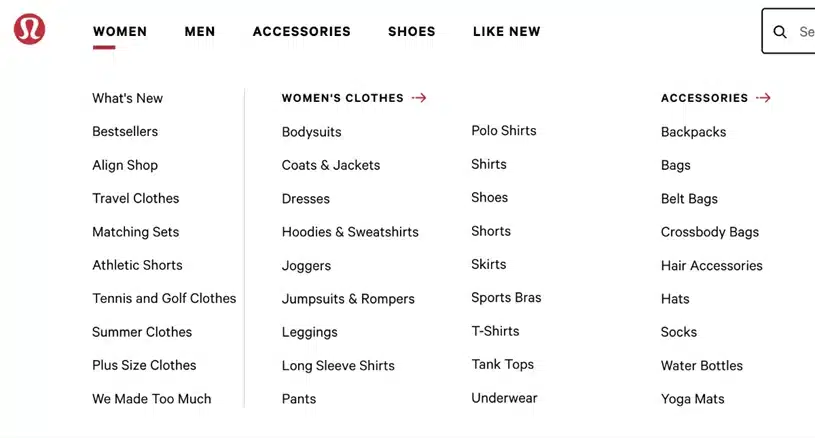
Good categories also prevent thin SEO content for ecommerce. If you lump too many unrelated items into one group, your page feels scattered. On the flip side, if you create dozens of micro-categories with only one or two products each, the pages look empty. Both extremes hurt SEO and user trust.
A useful test is to ask: would a shopper understand this category without extra explanation? If the answer is yes, it’s likely optimized for both humans and search engines.
Build a Hierarchy with Category URLs
A clean URL structure makes a big difference in ecommerce SEO. It helps shoppers know where they are on your site and gives search engines clear signals about page relationships.
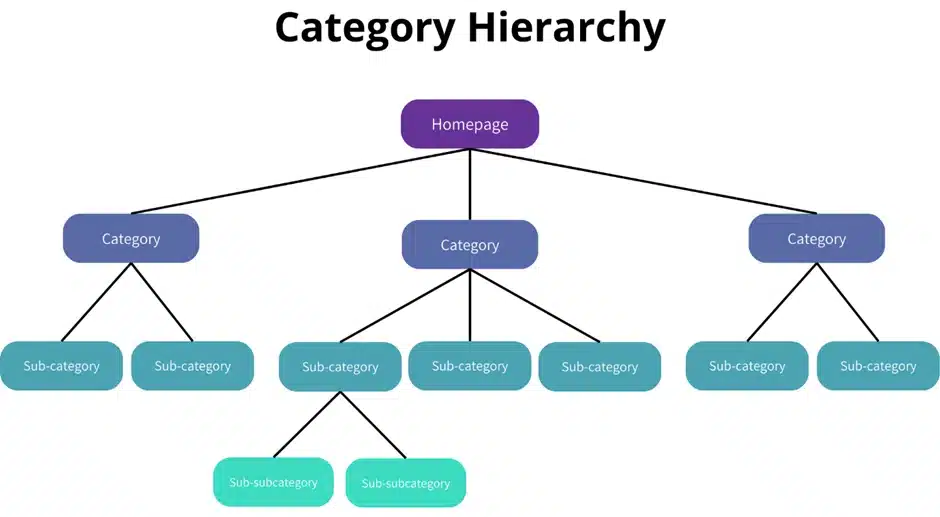
For example, a messy URL like:
- www.store.com/cat123?id=47 doesn’t mean much to anyone.
- Compare that to: www.store.com/mens/shoes/running
This tells both people and Google exactly what the page is about.
Think of URLs as your site’s roadmap. Categories should flow from broad to specific. Start with the main category (like “mens”), then the subcategory (like “shoes”), then the exact group (like “running”). This creates a logical path that mirrors how people shop.
Avoid overstuffing URLs with keywords or making them too long. Short, descriptive, and structured URLs not only look cleaner but also improve crawlability. That small detail can have a big impact on visibility and click-through rates.
Faceted Navigation and Filters: SEO-Friendly Setup
Filters and faceted navigation are essential for ecommerce UX, but they can quietly damage ecommerce SEO if handled incorrectly. In 2026, search engines are better at understanding dynamic URLs, but poor implementation can still create duplicate content and crawl waste.
Facets like size, color, brand, or price help users narrow choices. The problem arises when each filter combination generates an indexable URL. This floods search engines with near-identical pages, diluting authority and slowing crawling.
Modern ecommerce SEO best practice is selective indexation. Only filters with search demand should be crawlable. Everything else should be controlled using canonical tags, noindex rules, or parameter handling. This approach belongs in every ecommerce SEO checklist.
When filters are optimized properly, they can actually support SEO. High-demand facets such as “black dresses” or “size 10 running shoes” can become powerful landing pages. The key is intent validation before indexation.
In 2026, ecommerce SEO is about balance. Filters should enhance discovery for users without confusing search engines. When navigation supports both usability and crawl efficiency, category pages perform better and rankings stabilize over time.
Optimize Your Title Tags and Meta Data
Title tags and meta descriptions are often the first thing shoppers see in search results. If they aren’t clear or compelling, people will scroll past your store. That’s why they play such a big role in ecommerce SEO.
A good title tag should include the primary ecommerce SEO keyword and the category focus. For instance, instead of writing “Home | Store,” use something like “Men’s Running Shoes | Brand Name.” It’s short, descriptive, and matches what people search.

Meta descriptions are just as important. While they don’t directly influence rankings, they do impact clicks. Think of them as an ad for your page. Write copy that highlights value, answers a need, and uses a call to action. Keep it under 160 characters so it shows properly in search.
Search engines reward relevance, but people reward clarity. When you get both right, your category pages stand out and attract more traffic.
Create a Consistent Layout
Shoppers trust what feels familiar. If every category page on your site looks different, visitors get confused and lose confidence. Consistency is key not just for user trust but also for ecommerce SEO, since a uniform structure makes it easier for search engines to crawl and understand your pages.

Keep your design predictable. Filters, product grids, and navigation should appear in the same place across all categories. This helps users scan quickly and find what they need without thinking too hard. The less friction they face, the longer they stay and longer visits often improve your rankings.
Consistency also saves you from duplicate work. When layouts follow the same pattern, you only need to refine the structure once and apply it everywhere. The result is a cleaner site, stronger usability, and better SEO performance.
Be Concise and Clever With Your Copy
Category page copy isn’t about writing long essays. Shoppers land here to browse, not to read walls of text. But a few lines of sharp, useful copy can make a big difference in ecommerce SEO and user engagement.
Use language that tells people what they’ll find without overexplaining. For example, a “Men’s Running Shoes” category might include two or three sentences highlighting comfort, durability, and popular brands. That’s enough to help shoppers and give Google keyword-rich context.
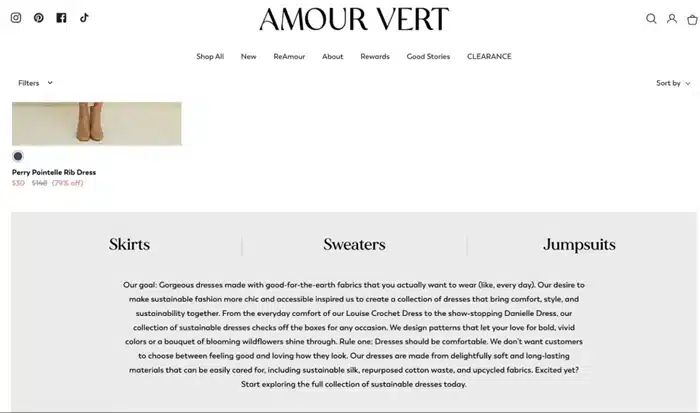
Avoid stuffing keywords. Search engines are smart, and forced repetition looks awkward. Instead, place your target terms naturally in headings, short descriptions, and alt text.
Think of the copy as a quick guidepost. It’s there to reassure buyers they’re in the right place and to give search engines clarity about the page’s purpose. Concise, clever text keeps the page scannable while boosting SEO signals.
Answer User Questions
Category pages aren’t just for product lists, they can also serve as a place to answer common questions. Shoppers often want to know things like “What size should I pick?” or “Which material lasts longer?” Adding short Q&A sections or FAQ blocks directly on the page can improve ecommerce SEO by targeting long-tail keywords while helping users feel informed.
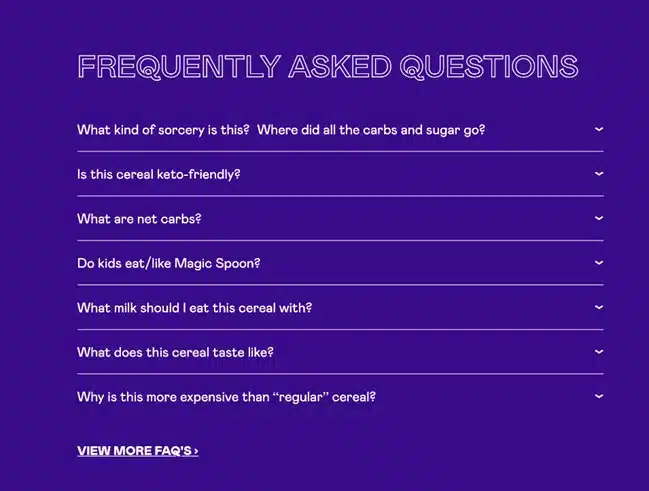
Google values helpful content. When your page addresses real shopper concerns, it signals relevance and boosts visibility. Even a few simple answers can reduce bounce rates and move visitors closer to a purchase.
Add Product Reviews
Shoppers trust other shoppers. Reviews build credibility and give buyers the confidence to move forward. They also add a steady flow of fresh content to your pages, which is great for ecommerce SEO.

When reviews appear on category or product pages, they can trigger rich snippets in search results. These star ratings and comments draw the eye and often increase click-through rates. Encourage customers to leave honest feedback and make reviews easy to read.
Well-placed reviews don’t just support SEO, they create trust that drives conversions.
Think About the UX
User experience (UX) and ecommerce SEO go hand in hand. A page can be perfectly optimized for search, but if it frustrates visitors, they’ll leave quickly and search engines notice.
Focus on speed first. A slow-loading category page loses shoppers fast. Research shows that even a one-second delay can drop conversions by up to 7%. Next, make sure your design is mobile-friendly since most online shopping now happens on phones. Clean navigation, clear filters, and an easy-to-read layout all encourage longer browsing sessions.

When users find your store simple to explore, they stay longer, view more products, and are more likely to buy. That behavior boosts your rankings while improving sales.
Core Web Vitals and Their Role in Ecommerce SEO
Core Web Vitals are no longer optional for ecommerce SEO in 2026. Metrics like loading speed, visual stability, and interactivity directly affect how product and category pages rank. More importantly, they influence whether shoppers stay or leave.
Ecommerce sites often struggle here because of heavy scripts, large images, and third-party tools. A slow product grid or shifting layout creates friction that hurts both conversions and visibility. Google now treats these signals as indicators of overall page quality.
Optimizing Core Web Vitals should be part of any ecommerce SEO checklist. This includes lazy loading images, minimizing JavaScript, stabilizing layouts, and improving server response times. Small technical fixes often lead to noticeable ranking and revenue gains.
What makes this critical is competition. In crowded ecommerce niches, many sites target the same keywords. Performance becomes a differentiator. Faster, more stable pages earn better engagement, which reinforces ecommerce SEO success.
In 2026, speed is trust. Search engines reward sites that feel reliable, and shoppers buy from stores that load instantly and behave predictably.
Use Eye-Catching Quality Images
Strong visuals sell products. But they also influence how your category pages perform in ecommerce SEO. Images that are sharp, consistent, and properly tagged can attract both buyers and search engines.
Always compress images to keep load times fast. Add descriptive file names and alt text so Google understands what’s in the photo. Use the same style of images across categories to keep your site looking professional and consistent.

Shoppers often make decisions based on visuals. A blurry or mismatched photo damages trust, while crisp images highlight quality and encourage clicks. High-quality, optimized photos make your category pages both attractive and search-friendly.
Internally Link Categories
Internal linking is a simple but powerful step in ecommerce SEO. When you connect related categories, you guide shoppers to more options while helping search engines crawl your site.
For example, a “Men’s Running Shoes” category might link to “Running Accessories” or “Trail Shoes.” These links keep visitors moving through your store and distribute authority across important pages. The more connected your site is, the easier it is for Google to understand its structure.
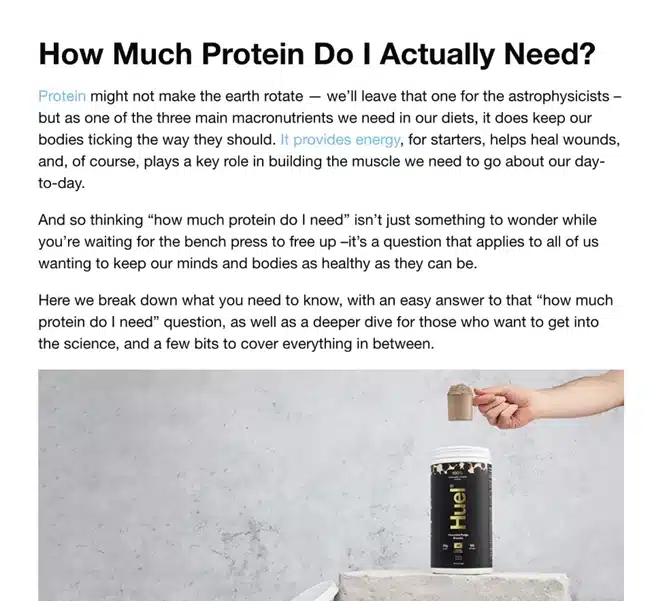
Good internal linking also reduces bounce rates. Shoppers who see clear paths to related products are less likely to leave after viewing just one page.
Use Structured Data
Structured data, often called schema markup, helps search engines read your pages with precision. For ecommerce stores, it means product details like price, availability, and reviews can show up directly in search results. This makes your listing stand out.
Adding structured data to category pages improves ecommerce SEO because it creates richer snippets. Shoppers see more useful information before even clicking, which boosts trust and click-through rates.
It may sound technical, but most platforms and plugins make schema setup straightforward. Once in place, it gives your pages an edge in crowded search results.
Optimizing Ecommerce SEO for Google Shopping and Free Listings
Google Shopping and free product listings have become deeply integrated with ecommerce SEO. In 2026, organic visibility is no longer limited to traditional blue links. Products can appear in visual grids, comparison panels, and AI-driven shopping results.
To benefit from this, ecommerce SEO must align product feeds with on-site optimization. Titles, descriptions, pricing, and availability need to match exactly. Inconsistencies reduce trust and limit exposure.
Structured data plays a major role here, but so does feed hygiene. Clean attributes, accurate categorization, and up-to-date inventory improve how products surface across Google’s shopping ecosystem. This connection is often overlooked in a standard ecommerce SEO checklist.
The advantage is reach. Shopping results capture high-intent users who are ready to compare and buy. When SEO and product feeds work together, stores gain visibility beyond traditional search rankings.
In 2026, ecommerce SEO extends into shopping ecosystems. Brands that optimize for both earn more impressions, higher-quality traffic, and stronger conversion potential.
Consider Conversion Rate Optimization
Getting traffic is only half the battle. If visitors land on your category pages but don’t buy, your ecommerce SEO efforts are wasted. That’s where conversion rate optimization (CRO) comes in.
Simple tweaks, like clear calls to action, visible filters, fast checkout buttons, and trust badges, can lift conversions significantly. A/B testing different layouts or button placements can also show you what really works.
CRO isn’t about changing everything at once. It’s about refining small elements that remove friction and make buying easier. The end ecommerce SEO strategy is simple: turn more of your hard-earned traffic into paying customers.
Measuring Ecommerce SEO Success Beyond Rankings
Rankings matter, but they are not the final measure of ecommerce SEO success. In 2026, performance is evaluated by how SEO contributes to revenue, customer acquisition, and retention.
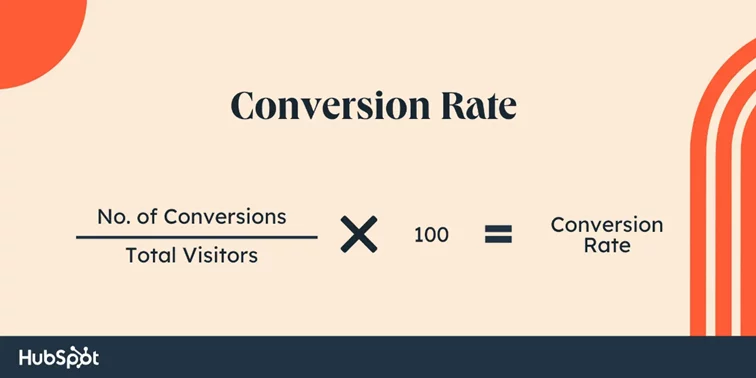
Key indicators include organic conversion rate, revenue per visitor, assisted conversions, and lifetime value from organic traffic. A category page that ranks lower but converts better can be more valuable than a top-ranking page with poor engagement.
Tracking these metrics helps refine your ecommerce SEO checklist. It shows which optimizations drive real business outcomes and which only improve vanity metrics.
SEO also influences brand trust. Returning visitors, branded searches, and repeat purchases often increase as organic visibility grows. These signals reflect long-term success that rankings alone cannot capture.
Modern ecommerce SEO is accountable. It connects technical improvements and content strategy directly to sales performance, helping teams justify investment and prioritize effectively.
Conclusion
Strong product and category pages are the foundation of ecommerce SEO. They decide whether search engines send you traffic and whether shoppers stay to buy. Optimizing these pages isn’t about one quick fix, it’s a series of small, deliberate improvements that work together.
In 2026, successful ecommerce SEO depends on consistency, performance, and trust signals working as one system rather than isolated tactics. From clean URLs to structured data to smart copy, every piece helps your store get discovered and trusted.
Search is only getting more competitive. New algorithms, new shopping behaviors, and new devices keep changing the game. That’s why using a clear ecommerce SEO checklist helps teams stay focused and scalable as stores grow.
The stores that win are the ones that treat ecommerce SEO strategy as an ongoing process, not a one-time project. If you want consistent visibility and sales, you need to keep refining, testing, and improving.
In the end, success online doesn’t just belong to the biggest brands. It belongs to the businesses willing to put in the work to make their store easy to find, easy to browse, and easy to buy from.


FAQs on E-commerce SEO

Use high-quality images, compress them for faster load times, and give each file a descriptive name. Add alt text with relevant keywords so search engines know what the image shows. This improves both usability and rankings.
Keep descriptions clear, specific, and focused on buyer needs. Use natural language that includes target keywords without stuffing. Highlight key features and benefits in short sentences or bullet points.
There’s no magic number, but aim for at least 200–300 words of useful copy. Long enough to give context, short enough to stay scannable. What matters most is that the content feels relevant and helps both shoppers and search engines.
Both matter, but category pages often bring in broader traffic because people usually start with general searches. Product pages close the sale. The best ecommerce SEO strategy is to optimize both since they work together.
They capture broad keywords, organize products, and improve site structure. Well-optimized category pages make it easier for Google to understand your store and easier for shoppers to explore.
A strong ecommerce SEO checklist should cover technical health, site structure, category optimization, product content, Core Web Vitals, structured data, and conversion tracking.
Most ecommerce SEO improvements show early signs within three to six months, with stronger growth compounding over time.
The principles are the same, but large stores focus more on automation and crawl efficiency, while small stores prioritize high-intent categories.
Yes. Strong ecommerce SEO improves landing page quality, which often lowers paid acquisition costs and boosts conversion rates.
At least quarterly, or whenever products, categories, or platforms change.
Yes. AI-driven results still rely on well-structured, trusted ecommerce pages to surface product information.