All SEO
  SEO News
  SEO Strategy
  Ask An SEO
  Enterprise SEO
  Google Algorithm Updates
  International SEO
  Link Building
  Local SEO
  Mobile SEO
  On-Page SEO
  Technical SEO
  Vertical SEO
  Wordpress for SEO
  Web Dev for SEO
  SaaS SEO
  E-commerce SEO
  AI-Driven SEO
 TikTok Reports Fresh Insights on Improving Marketing Attribution and Measurement

As the behavior of consumers changes, TikTok publishes fresh report on ways to improve marketing attribution and measurement.
The process of measuring the effectiveness of marketing is becoming increasingly difficult. As consumers interact with many different touchpoints prior to making a purchase, the traditional models of attribution, like last-click attribution are no anymore efficient.
The Issue with the Last-Click Attribution
In the current world of buying, a buyer may come across an ad on TikTok, then conduct a research on Google, use the help of an AI software, or collect feedback from Reddit. This process is multi-step, meaning that the first advertisement that initiated the experience is not always given the credit.
TikTok’s latest research paper, conducted in conjunction with WARC, that provides insight into the issue and outlines how marketers can tweak their measures to stay aligned with the new ways in which the consumers interact.
Download the full report here (email sign-up required).
First, the study highlights the limitations of current attribution models, considering how shoppers now encounter product information.
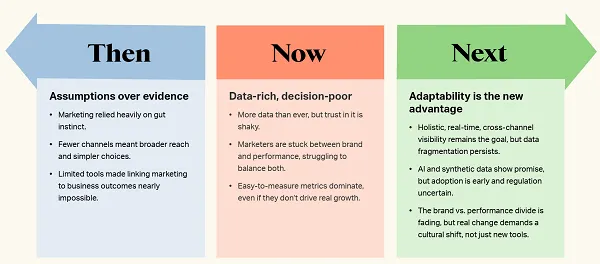
The report says:
“In a world where nothing feels fully measurable, last-touch attribution offers comfort: fast data, clean numbers, instant ROI. It simplifies a complex journey into a neat, clickable endpoint, and in doing so, seduces marketers into believing that they’ve found truth. But it’s not how people actually buy. Last-touch ignores everything that happens before the final click: brand equity, creative exposure, social discovery, offline influence, even economic context.”
The report identifies key attribution gaps, showing how misplaced marketing investments frequently result from misreading customer pathways:
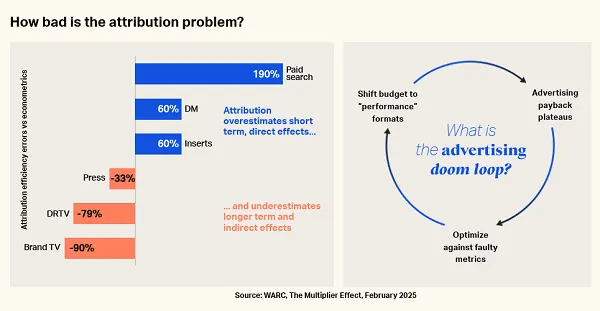
According to the study 60% of low-performing marketers concentrate too much on conversions. Meanwhile, 35 percent of the last-click attribution budget results in no additional sales.
A Smarter Approach: The GRO Model
To overcome these issues, TikTok introduces its GRO measurement model, which is created to provide an improved view of the performance of marketing.
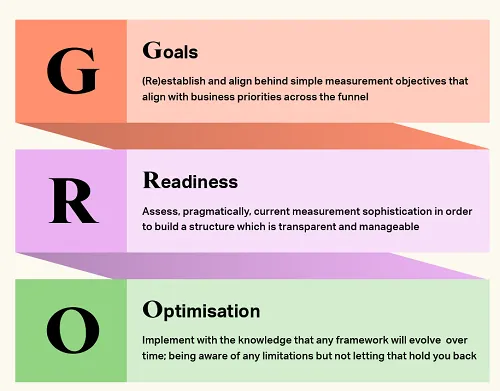
The GRO measurement model is based on three main components:
Goals: Create specific, clearly defined goals that are related with brand performance.
Readiness: Find the measurable indicators that can help guide your learning.
Optimization: Make use of data-driven insight to improve key metrics and optimize your plan of action.
The GRO framework will encourage marketers to look past the last click to think about a wider set of interactions that affect your customer journey. By incorporating more information points, this strategy gives a more precise picture of the factors that can influence the conversion.
Why This Matters for Marketers?
For companies looking to enhance the effectiveness of their strategies for marketing, the report from TikTok gives valuable suggestions on how to think about attribution differently.
With a more holistic and evidence-based strategy, marketers can better align their strategies to consumer preferences and avoid the traps of narrow, conventional models.
This model can provide fresh perspectives on optimising campaigns and distributing resources more efficiently.
Download the complete guidebook on WARC/TikTok (with an email sign-up) here.