All SEO
  SEO News
  SEO Strategy
  Ask An SEO
  Enterprise SEO
  Google Algorithm Updates
  International SEO
  Link Building
  Local SEO
  Mobile SEO
  On-Page SEO
  Technical SEO
  Vertical SEO
  Wordpress for SEO
  Web Dev for SEO
  SaaS SEO
  E-commerce SEO
  AI-Driven SEO
 Sundar Pichai Flags Growing AI–Cybersecurity Gap Amid Rising Global Threats

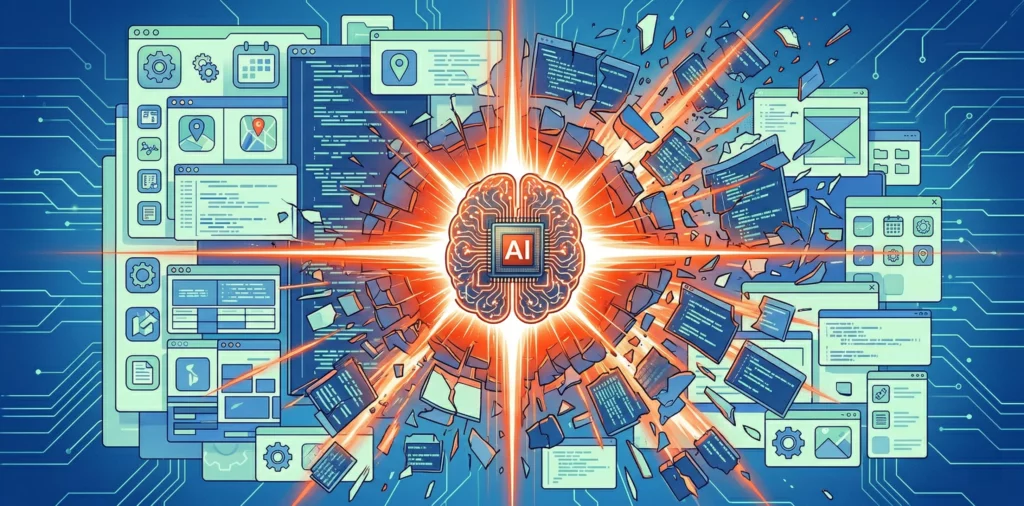
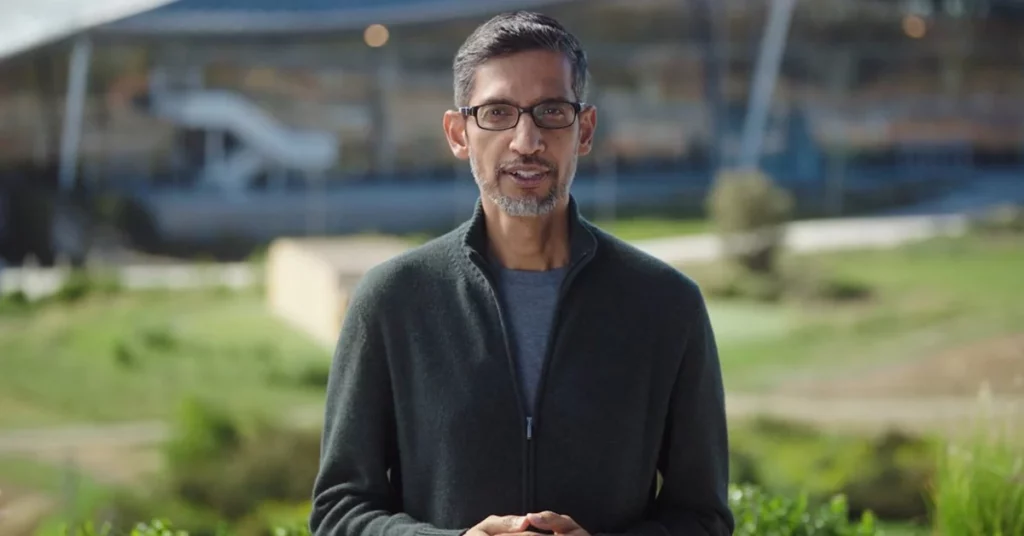
Sundar Pichai has cautioned that the development of AI models may intelligently highlight the weaknesses of popular programs, posing a threat to cybersecurity.
In an interview on the The Cheeky Pint Podcast with Patrick Collison, Pichai mentioned that it is even possible that AI already has a hand in the market of zero-day exploits.
He proposed that the increasing strength of AI tools might enable it to be easier to find flaws in software, which would potentially reduce the price of such exploits in the black market.
His comments indicate a twofold challenge- even as AI enhances innovation, it can also increase the pace of cyber risks unless they are handled.
Pichai Further Explained –
Cybersecurity has become an emerging yet more veiled danger in the fast-growing artificial intelligence infrastructure, as noted by Sundar Pichai.
In the latest episode of the The Cheeky Pint Podcast, Pichai cautioned that more sophisticated AI systems might even be able to crack pretty much all software, implying that we might already be moving into a period where vulnerabilities are being introduced.
Elad Gil also contributed to the discussion, saying that there are reports of decreasing black-market prices on zero-day exploits.
He postulated that this trend might be propelled by AI contributing to the number of discoverable software flaws. In response, Pichai said that he was not surprised at all, but no specific pricing information was mentioned.
And positioning cybersecurity as an unspoken limitation, Pichai equated the threat to other more familiar concerns in AI implementation, like memory constraints and increased energy needs. He stressed that much more coordination on a global level will be needed to deal with these threats, which he does not think is happening at present.
Pichai has also warned that the industry might come to a sharp moment in the future when the effects of unwanted vulnerabilities will be more evident.
His comments emphasize the importance of urgently striking a balance between innovation of AI and enhanced security.
The Data Shows-
According to Google Threat Intelligence Group, 90 zero day exploits were being used in attacks in 2025, compared to 78 in 2024, with almost half of those exploits being against enterprise software, an all-time record.
The group cautioned that in 2026, AI will increase the pace at which attackers and defenders compete, allowing reconnaissance, vulnerabilities to be discovered, and exploits to be developed more quickly.
As Sundar Pichai and Elad Gil hinted that the price of black-market exploits could be declining, industry reports show that the prices in the commercial exploit market are stable or increasing as the companies enhance security measures.
Why Is This Necessary ?
All websites are based on several layers of software that can be vulnerable. Applications such as WordPress rely on plug-ins, server setups, third-party scripts, and authentication code – all which constitute an expansive attack surface. Attackers are now able to detect vulnerabilities more quickly than ever before with the help of AI-assisted tools.
When AI keeps increasing the rate of vulnerability discovery and exploitation, there is a decreasing gap between vulnerability creation and active exploitation.
This increasingly burdens web site owners and developers to maintain systems up to date, patch them fast, and audit dependencies frequently.
According to recent findings by Google Threat Intelligence Group, the number of exploit activities has been increasing, further supporting the apprehensions of AI-driven threats.
Although the assertions of a falling exploit price are ambiguous, the pattern is clear-cut-AI is accelerating the cybersecurity race, and proactive protection and constant monitoring are becoming more important than ever in ensuring safe digital environments.
Pichai’s Informal Remarks Highlight Urgent Gap Between Rapid AI Growth and Global Cybersecurity Readiness
The recent statement of Sundar Pichai on AI and cybersecurity is not an official policy statement, but rather a comment made in a conversational format.
Nonetheless, they hold some weight since he is in charge of the development of AI at Google as well as its threat intelligence operations. Google Threat Intelligence Group insights have identified a widening disparity between the fast-growing AI capabilities and present security preparedness.
This imbalance, researchers caution, is increasingly pressing, as AI keeps developing. The report estimates that AI will speed up cyberattacks and countermeasures, fueling the current arms race between cybercriminals and cybersecurity experts all over the world.