All SEO
  SEO News
  SEO Strategy
  Ask An SEO
  Enterprise SEO
  Google Algorithm Updates
  International SEO
  Link Building
  Local SEO
  Mobile SEO
  On-Page SEO
  Technical SEO
  Vertical SEO
  Wordpress for SEO
  Web Dev for SEO
  SaaS SEO
  E-commerce SEO
  AI-Driven SEO
 Russia Blocks WhatsApp, Facebook and Instagram Nationwide


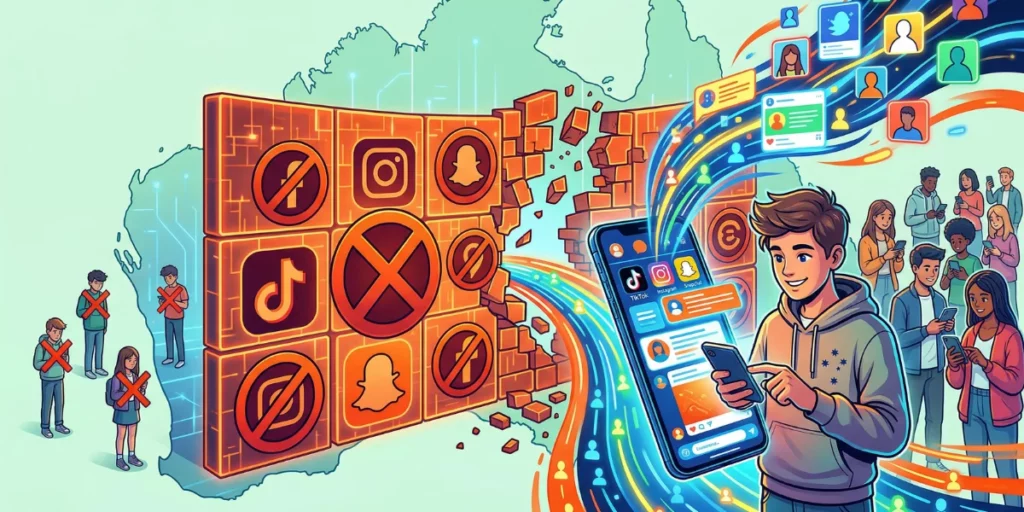
Russia has gone ahead and blocked access for users to Facebook, Whatsapp and Instagram across the country.
This marks the country’s attempt to tighten control over its digital communication tools. Access to YouTube has also been disrupted as per the reports in the media.
These restrictions are part of the broader push by Russian authorities to steer citizens towards a state-backed messaging platform that is called Max.
Officials have been promoting the app for months in a bid to have a domestic alternative to these foreign-owned services.
This latest move removes these apps from the online registry maintained by Roskomnadzor, Russia’s internet regulator.
To be taken off this directory effectively makes the platforms inaccessible through standard internet connections.
Users who are attempting to access them now are facing blocked pages and error messages unless they rely on virtual private networks and VPNs.
According to reports in Financial Times, Whatsapp with its more than 100 million users are in the dark given the restrictions on use.
Its removal from the regulator’s directory makes it impossible for anyone to use without complex technical workarounds.
Facebook, Telegram, Snapchat, and Instagram too have faced the wrath of Russian authorities and that limits access to these popular Western networks.
This is not the first time Russia has acted against foreign technology firms. Authorities have gone on to previously restrict LinkedIn, X, and TikTok.
Messaging platform Telegram and photo-sharing app Snapchat have also faced pressure or operational limits within the country.
Russian officials have gone on to label several foreign platforms as “extremist” or as failing to comply with national data and content laws.
The government argues that tighter control is necessary to combat misinformation and protect national security.
Critics though are vehement to say that these are designed to suppress dissent and limit access to independent news sources.
The Kremlin’s preferred alternative, the Max app, has been heavily promoted since last year. In August of last year, the authorities ordered that Max be pre-installed on all new smartphones sold in Russia.
This marked a change in the way Russian authorities viewed the digital ecosystem.
Civil liberties advocates warn that forcing citizens onto a government-run platform can go on to promote large-scale surveillance.
They argue that centralized control over messaging tools increases the risk of monitoring private conversations and filtering content.
Russian officials, though deny such claims and say this app meets domestic security standards.
For Meta, the company that owns WhatsApp, Facebook and Instagram, this could mean it can lose access to tens of millions of users significantly bringing down numbers in the region.
The company says it will challenge the decision or talk with Russian regulators.
Beyond these big company losses, many experts believe that impact will be big for many ordinary users. With these major global platforms banned and blocked, Russians will find it harder to access outside country news.
While VPN usage is expected to rise, such tools can be unstable and will face future clampdowns.
These sweeping bans point to the growing influence of social media in country politics. They also highlight how many nations are increasingly willing to reshape their digital ecosystem within their borders to control the information that circulates in the country.