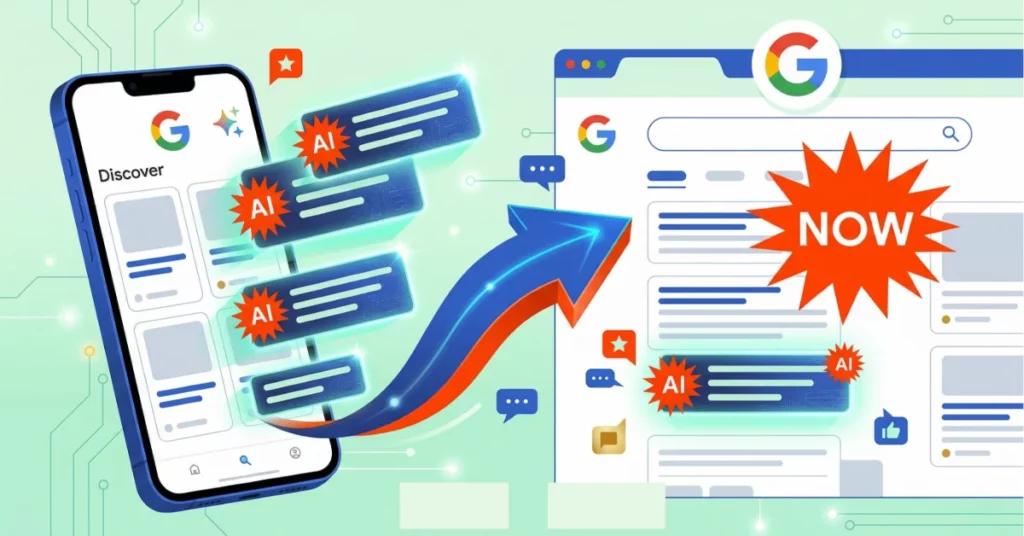
Google Text Ad Click Share Rises Sharply In Some Verticals

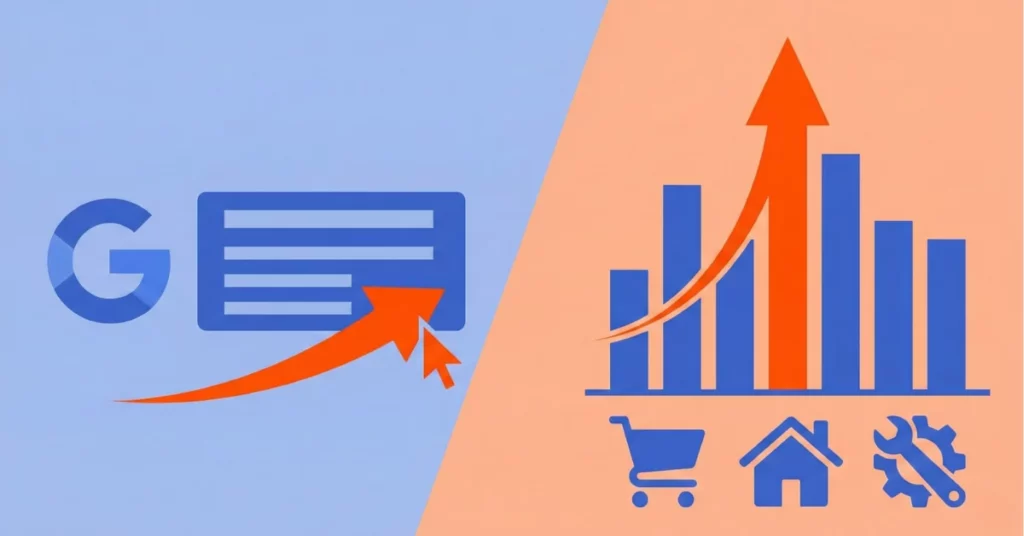
Text Ads Become the Largest Measurable Driver of Organic Decline
New clickstream and advertiser benchmark data indicate Google Search is shifting towards a new monetization model that enables text ads to take increasing control over user clicks in various business sectors.
SEO consultant Aleyda Solis analyzed approximately 16,000 U.S. search queries between January 2025 and January 2026 using Similarweb clickstream estimates.
The research analyzed click distribution across different online platforms, which included traditional organic results, SERP features, text ads, Product Listing Ads (PLAs) and zero-click searches.
She tracked AI Overview occurrences on results pages, but the dataset failed to show direct click attribution to those AI summaries.
The study showed that text ads acquired between 7 and 13 percentage points of click share across four product categories, which included headphones, jeans, online games and greeting cards.
The organic results from the classic search method experienced substantial decreases.
Organic click share in headphone queries dropped from 73% to 50%. The organic click share for jeans declined from 73% to 56%.
In greeting cards, the share decreased from 88% to 75% although there was an overall year-over-year rise in total clicks.
The researcher started her study by testing her hypothesis that text ads and organic SERP features function as main factors that decrease organic clicks.
The data confirmed this across all four verticals, and the scale of the text ad impact surprised her. These two factors gained between +7 and +13 percentage points of click share in every vertical, making them the single biggest measurable driver of the organic decline.
In several categories, combined paid placements (text ads plus PLAs) doubled their click share year over year.
Strongest Text Ad Growth in Nearly Five Years
Independent advertiser data points in the same direction. According to its Q4 2025 Digital Ads Benchmark Report, Tinuiti discovered that Google text ad clicks achieved their highest point in nineteen quarters, according to its benchmark dataset, which showed a 9% rise from the previous year.
The overall increase in Google search ad expenditure reached 13% during the quarter, which exceeded the 10% growth observed in Q3.
The increase in advertiser spending, combined with better click growth, drove the faster pace of growth, according to Tinuiti. Retail and direct-to-consumer brands in particular expanded paid search budgets late in 2025.
Alphabet Inc. generated $102.3 billion in revenue during Q3 2025, which marked its first quarter to exceed $100 billion. The company generated $56.6 billion in revenue from search advertising.
CEO Sundar Pichai said AI-powered features were expanding overall query volume, including commercial searches. The increase in commercial searches results in the creation of additional advertising space, which businesses can monetize.
AI Overviews Expand, But Click Attribution Remains Unclear
The search results of U.S. websites now display more AI Overviews than before. The dataset from Solis tracks AIO presence, which grew from single-digit values to 30% in multiple search categories.
The research only measured how visible the AI module appeared to users without tracking their actual clicking patterns. The distinction between these two aspects holds important value.
Seer Interactive conducted a study that demonstrated that AI Overviews decrease organic click-through rates on informational queries.
Users from Pew Research Center showed decreased clicking behavior toward traditional blue links when an AI summary appeared at the top of the page.
The dataset from Solis, which focused on commercial activities, showed that the main measurable transformation happened through increased text ad click share instead of zero-click growth and AI summary dominance.
A Structural Change in SERP Economics
The industry debate, which occurred during the past year, identified AI technologies as the chief cause behind decreasing organic traffic.
The emerging data suggests a more structural shift. The paid placements on the website not only exist but also receive a larger share of user clicks than before.
Paid advertising in product-driven markets such as headphones and apparel now accounts for over one-third of all user clicks.
The online gaming sector which used to show minimal advertisement activity, now displays a fourfold increase in text ad usage compared to the previous year.
The current transformation results from two factors, which include growing advertiser competition and changes in Google search results page layout.
The primary driver behind growth remains uncertain, whether it stems from increased advertisement load, better advertisement formats, more aggressive bidding or AI technologies which boost business-related search activity.
What This Means for Marketers
The convergence of clickstream analysis and advertiser benchmarks suggests search performance can no longer be evaluated through rankings alone.
The organic visibility of a website will stay the same, although its click share declines because paid advertisements receive more visibility.
The traffic decline problem requires publishers and SEO teams to investigate the following factors:
- The proportion of paid advertisements that appear on the page
- The expansion of product listing advertisements
- The presence of AI Overview
- The actions users take without clicking
The data does not suggest that organic search has reached its end. The research findings demonstrate that paid advertising formats now attract more user focus in markets that require high-intent search.
The evaluation of actual performance now depends on click distribution analysis because search engines are constantly developing new search features.