All SEO
  SEO News
  SEO Strategy
  Ask An SEO
  Enterprise SEO
  Google Algorithm Updates
  International SEO
  Link Building
  Local SEO
  Mobile SEO
  On-Page SEO
  Technical SEO
  Vertical SEO
  Wordpress for SEO
  Web Dev for SEO
  SaaS SEO
  E-commerce SEO
  AI-Driven SEO
 China and Korea Look to Control Creator Influence over Sensitive Topics

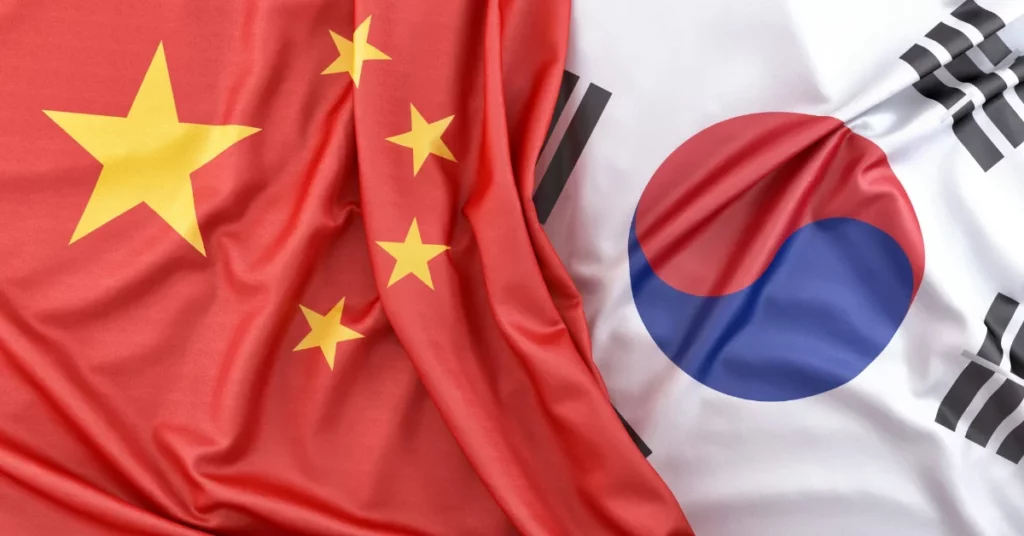
China and Korea look to control creator influence over sensitive topics, aiming to tighten content guidelines, curb misinformation, and strengthen platform oversight.
With the growing sway of social media influencers in shaping political discourse, several Asian countries are debating new regulations that aim to hold creators accountable for the accuracy and authority of their opinions on sensitive subjects.
China Enforces Professional Qualifications for Online Creators
China’s Cyberspace Administration has introduced a new law requiring creators discussing specialized topics to provide evidence of professional credentials such as licenses, degrees, or certificates.
This mandate, part of the “Conduct for Online Broadcasters” since 2022, states:
“For live-streaming content that requires a high level of expertise (such as medical and health, finance, law, and education), the streamer should obtain the corresponding professional qualifications and report these qualifications to the live-streaming platform. The live-streaming platform should then review and register the streamer’s qualifications.”
The intent is to prevent unqualified individuals from disseminating inaccurate information. Violators risk fines up to $14,000 USD, underscoring how China is pushing for tighter controls to combat misinformation in influential online spaces.
South Korea Considers Restrictions on Foreign Influencers
South Korea is considering new regulations that could bar foreigners from entering the country if they post hateful or defamatory content about South Korea online. This proposal follows multiple high-profile cases, such as:
- Johnny Somali, an American streamer indicted for disruptive behavior captured on video.
- Debo-chan, a Japan-based Korean YouTuber under investigation for false claims of “dozens of mutilated bodies” discovered in Korea.
As reported by The Korea Times:
“Recent cases of foreign content creators drawing public backlash include Johnny Somali and Debo-chan. Somali, an American streamer, was indicted last year after posting a video of himself behaving disruptively a convenience store. Debo-chan, a Japan-based Korean YouTuber, is under investigation for a viral video posted earlier this month that falsely claimed “dozens of mutilated bodies” were discovered in Korea.”
Contrasting Approaches: Asia vs. The U.S.
While China and Korea move to clamp down on content creators spreading misinformation or offensive material, the U.S. is trending toward expanding influencer presence and credibility, a move with its own risks.
Earlier this year, Meta halted its third-party fact-checking program and relaxed content restrictions, aligning with political pressures for fewer controls, especially under the previous U.S. administration.
Former President Trump notably boosted podcasters who bolstered his messaging, elevating their status within government circles despite concerns about misinformation.
This approach has raised questions about the impact of giving ill-informed creators more credibility, potentially fueling conspiracy theories and political polarization.
Balancing Free Speech with Accountability
A free press remains a cornerstone of democracy, but the spread of false or misleading information by creators on complex topics raises concerns.
In today’s social media environment, nuanced issues are often oversimplified into memes or provocative soundbites. Creators frequently exploit algorithmic amplification by inciting emotional reactions, driving engagement but potentially deepening societal divides.
Western platforms tend to encourage this dynamic, while Asian governments actively seek to mitigate it through regulation. This stark contrast highlights differing philosophies toward free speech and content moderation in global democracies.
Bottom Line
As influencer reach expands, their ability to shape public opinion and even election outcomes grows. The key question remains whether platforms and regulators can balance protecting free expression with preventing harm caused by misinformation spread by unqualified voices.