Common Link Building Outreach Mistakes and How to Avoid Them

Link outreach is one of the most important parts of search engine optimization. It involves building genuine connections with website owners to secure quality backlinks. When link building is done correctly, it strengthens your site’s authority and gradually improves search visibility. But many still repeat the same Common Link Building Outreach Mistakes, which end up harming rankings instead of helping them grow. That is why it’s essential to understand the best practices that prevent these issues. You can prevent these pitfalls and make your backlink campaign a much more productive one, which will lead to stable growth in the long run.
An industry study revealed that nearly 92% of marketers believe their competitors buy backlinks. Google punishes such behaviour to the fullest, indicating an indication that it is very easy to fall into the trap of harmful link-building shortcuts that hurt ranking in the long-term. In this guide, we will cover the key mistakes made in link-building outreach email strategies. You will also know the way to prevent these pitfalls in order to develop your backlink profile in a natural, safe, and sustainable way.
10 Common Link Building Outreach Mistakes and Their Solution
The campaigns by businesses are still making some link-building outreach errors. Such mistakes that are ignored are usually a waste of time, resources and slow down the entire growth of SEO.
The following are the best link-building outreach errors and prescriptions that will assist you in ensuring your goals are met in a good manner.
1) Not Creating Useful Content for Links
The content that will not attract quality backlinks is that which will not deliver the real value. Valuable content usually includes something that helps people in real life. It could be—
- Solving a problem.
- Answering a question.
- Sharing a fresh perspective.
Think about it. Nobody wants to associate with irrelevant, out-of-date and low-impact material. Examples include—
- A detailed guide.
- An original case study.
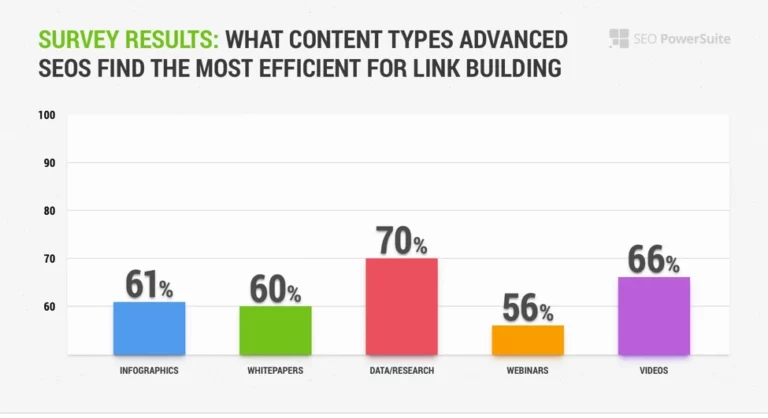
- An engaging infographic that can naturally earn backlinks.
But generic or poorly written posts do not give people a reason to share or cite them.
Your primary focus should be on what your audience needs. What are they searching for? What does your content have to fill in? Make resources that actually address those gaps and provide long-lasting usefulness, something they’d actually want to save or recommend. That is how you make content worth linking to.
This is one of the most frequent link-building outreach errors, and it also happens to be one of the largest contributors to the fact that many outreach campaigns do not reveal any tangible impact.
2) Targeting the Wrong Websites
Getting backlinks from just any website rarely boosts your SEO — and even in most instances, it may injure it. Blindly pursuing such outreach metrics as DA (Domain Authority) or DR (Domain Rating) without verifying the relevance, trust, and fit of the site to your niche is one of the largest outreach slip-ups. A single low-quality backlink can weaken your entire SEO effort, and choosing the wrong sites often leads to Common Link Building Outreach Mistakes that can derail your whole outreach campaign.
Red Flags to Watch For
- Weak or Spammy content: The sites with junk content, which is poorly written, copied, or made by AI, will have zero SEO and may even bring your authority down.
- Excessive advertising: When it is overcrowded with banners and pop-ups, it is a strong indicator of bad user experience, which search engines strongly dislike rewarding.
- Unscrupulous or insecure websites: A site that appears like a link farm or one that is hard to navigate should be avoided at all costs.
- Bad niches: The risky ones, such as gambling, adult content, or blatant guest-post networks, should be avoided as they might cause dispenalty rather than reward.
- Low loading speed: The link system becomes useless when it belongs to slow and outdated websites that cannot satisfy simple performance tests.
How to Pick the Right Sites
- Pay attention to relevance: Select the websites that actually relate to your industry, audience or niche in order to make the backlink look natural and contextually valuable.
- Check for quality: Find sites that post high-quality, thought-provoking, and current content regularly, not sites that post generic articles.
- Do not rush to check SEO: Before outreach, check the real metrics of authority using such tools as Semrush, Ahrefs, or Moz:
- Trust Flow/Citation Flow (Majestic): Experiment with a Trust Flow of over 50 to be on the safer side of link equity.
- Spam Score (Moz): The lower the better, but under 10-11% is also tolerable in case of stronger domains.
- Organic traffic: The site must have real user visits, which are not spikes created by bots.
- Avoid spammy arrangements: Do not work with directories, PBN-type websites, or any other site that was constructed with the sole purpose of selling links; it only does more harm than good.
Thorough research helps you secure links that build real authority. Quality matters more than volume in link outreach, so always choose wisely.
3) Using Private Blog Networks (PBNs)
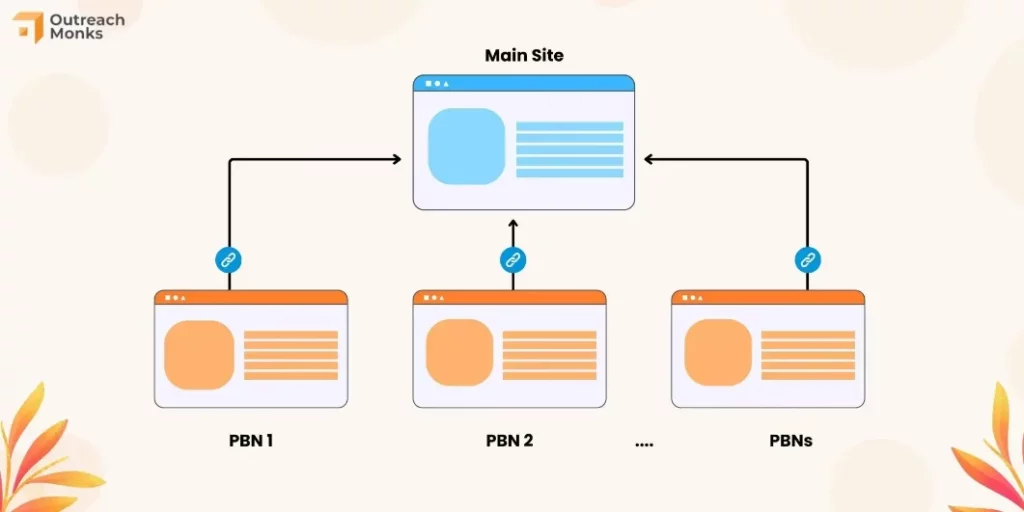
PBNs are web rings that are established to transfer power between them and artificially affect Google search results. They appear to be very tempting since they can give instant gains, yet the risks are much bigger in the long run than the gains in the short run.
Why PBNs Backfire?
- Search engines detest them: Google monitors the PBN activity very closely, and once a network has been spotted, the sites related to it are usually penalized. Your ranks may plummet or even be removed from the search engine.
- Weak links: The backlinks provided by most PBN websites have little to no real authority because most of them post obsolete or irrelevant information. They do not aid your SEO, but undermine the trust of your site.
- Short-term spike, long-term harm: PBN may initially increase, but over time, the algorithm of Google catches them. When this occurs, the adverse effect normally outlives the initial profit.
- Problem with domain history: You should always verify the history of a lapsed domain. A good number have been old PBNs or spam networks, and that may have a penalty for your new location.
Choosing PBNs is among the fastest ways to ruin a link building outreach email campaign. The smarter move is building relationships and earning links through real authority.
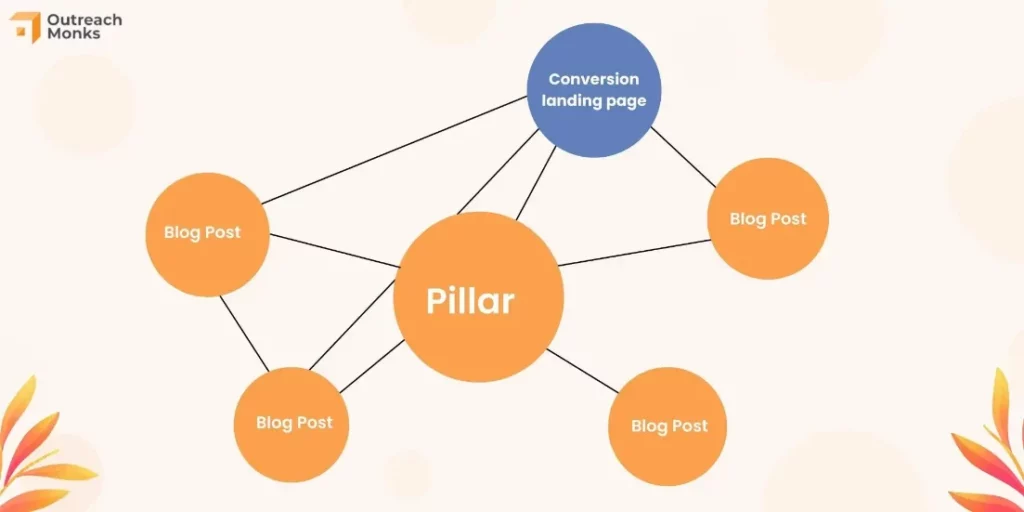
4) Linking Only to the Homepage
The act of sending most of your backlinks to the home page may slow down the general seo. Search engines also favour the dispersion of authority on several significant pages and not a single page. More often than not, it’s much easier to attract backlinks on blogs, in-depth guides or product pages as they provide certain value- something that is not often provided on the homepage.
Why This Hurts SEO
- Missed ranking chances: Deep-page backlinks make individual blogs, guides and product pages rank automatically. By passing them, you are missing out on traffic that is already searching on the same topics.
- Unnatural profile: Search engines are designed to have the links naturally distributed on various pages. The profile also appears pressure when all the links are directed at the home page and thus may seem manipulative.
- Weaker user experience: Users like to get to the page that addresses their query. Inner page links minimize the additional clicks and increase visitor time.
Balanced outreach link strategies should spread authority naturally across multiple pages. That is how you build trust with both users and search engines.
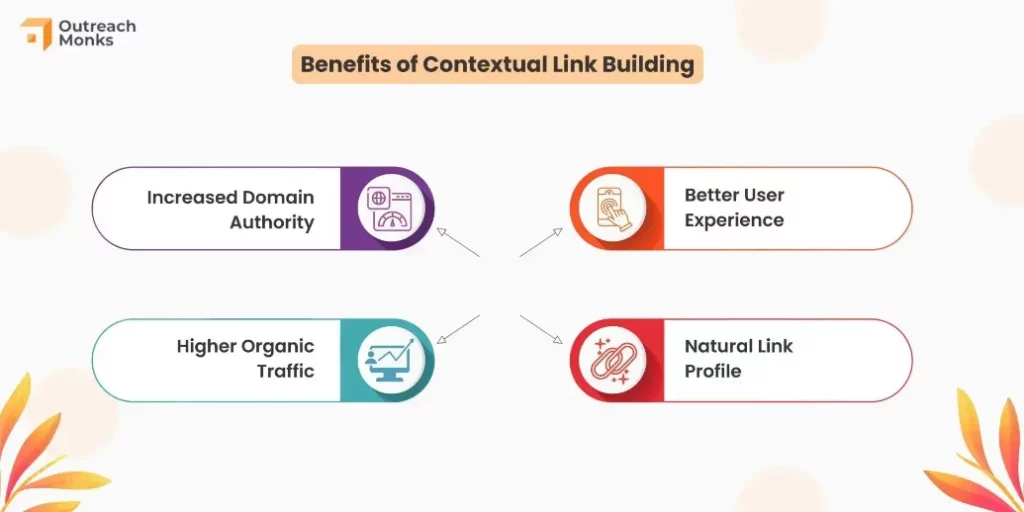
5) Placing Links in Irrelevant Contexts
Context makes or breaks a backlink. Making a link within content that does not relate is confusing to the reader and undermines the search engine optimization. For example, a link to a law firm inside a recipe article feels out of place. A search engine will interpret this as irrelevant linking, and this can destroy credibility rather than rankings.
Smarter Ways to Place Links
- Choose relevant sites: You should only create links on those websites that are actually relevant to your niche or industry, and not any random website that has good metrics.
- Match intent: The page holding your link should have a purpose that connects with your linked page. An SEO guide should be part of a marketing article, not hidden as one of the clauses in a miscellaneous lifestyle article.
- Add real value: Include links where they are relevant to the reader as a guide, study or useful resource.
When your backlinks fit naturally within the surrounding content, they strengthen your site’s authority and support healthier Off Page SEO instead of triggering search engine red flags.
6) Relying Only on Dofollow Links
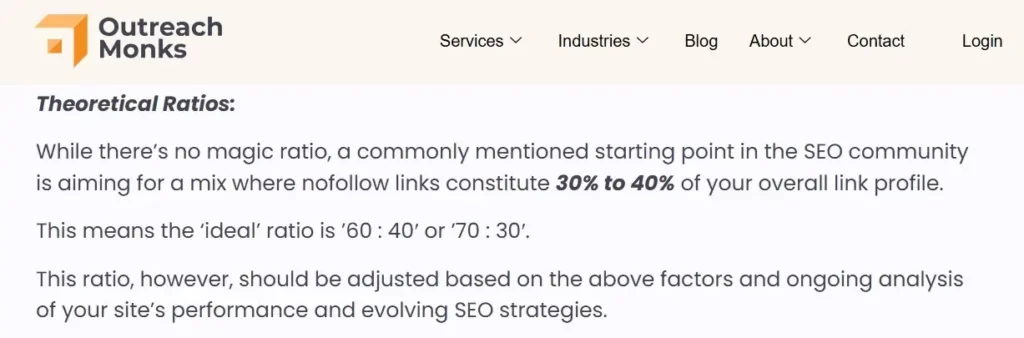
Many believe only dofollow links matter for SEO. However, the omission of nofollow links would cause an unbalance in your backlink profile and would appear unnatural to the search engines.
Nofollow links might not pass complete authority, yet they will add to a natural, trusted link pattern, which Google is seeking. Over time, ignoring them can hurt trust instead of helping it.
Why This is a Mistake
- Unnatural backlink profile: The search engines anticipate a natural combination of dofollow and nofollow links. Having the dofollow on all your links can result in a clear pattern, which can be viewed as manipulation.
- Lost traffic potential: Nofollow links through communities, discussion and social sites can still make valuable visits to your site, although they are not fully authorized. They assist in making your brand known, even if they don’t pass full authority. They help your brand get noticed.
- Algorithms expect balance: The recent ranking systems favour authenticity, and a mixed backlink profile will be an indication that you were not engaging in artificial link building, but the backlinks were created naturally.
The best email outreach link building strategy blends both types. A balanced mix looks natural and helps protect long-term SEO.
7) Over-Optimizing Anchor Text
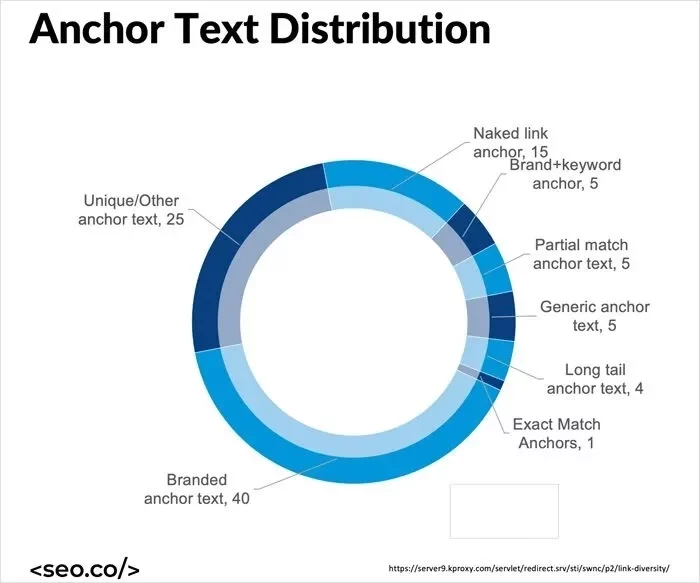
Stuffing anchors with the same keyword again and again can backfire. Anchor text has now become a natural, varied, and contextual concept to search engines. Using the same anchor phrase for every backlink makes your profile look manipulated, increasing the risk of algorithmic penalties and hurting your overall Off Page SEO.
Why is it Risky
- Unnatural to algorithms: Repeating one keyword across many links signals an attempt to manipulate rankings.
- Penalty risk: Google flags anchors that are too optimized, as spammy which can drop your rankings.
- Bad for readers: Anchors with heavy keywords break the flow of text and feel forced.
How to Fix It
- Use a mix of branded, generic and partial keyword anchors.
- Make sure the text fits the sentence naturally and relates to the linked page.
- Keep variety so your anchors look like they were written for humans and not algorithms.
Balanced anchors are part of every effective link building outreach strategy. They protect you from penalties and make content more readable.readable.
8) Getting Links from Low-Quality or Copied Content
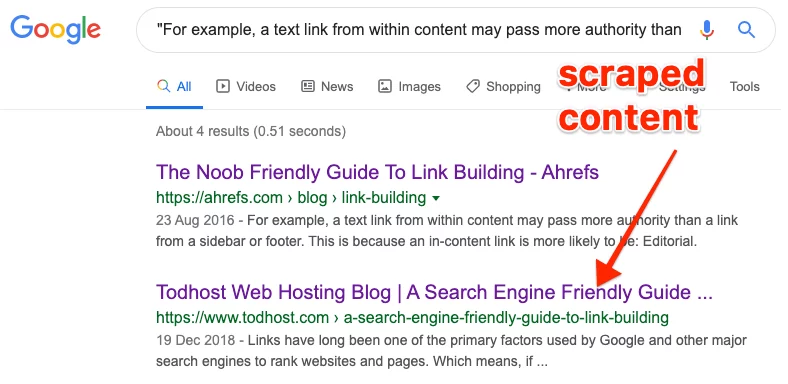
Backlinks from weak or duplicated content can harm your SEO. Search engines reward originality and relevance, so links from spammy or plagiarized pages won’t help rankings. They can even damage them.
How to Avoid This Mistake
- Check quality first: It is always best to check the site out firsthand and then go on to chase the backlink; in case the articles are too thin or old and do not relate to your niche, then avoid it at all costs.
- Stay away from spammy setups: Avoid websites that are loaded with advertisements, unnatural links, outbound or anything that is evidently a link-selling network.
- Prioritize authority and fit: Here, the priority should be to secure links in authentic and well-managed websites that post useful and industry-specific information and have real credibility over the internet.
A backlink is only as strong as the page it sits on. Protecting your backlink outreach efforts means avoiding poor sources and sticking with trusted, relevant ones.
9) Relying on a Single Link-Building Strategy
Using only one method limits results and slows SEO growth. Various outreach styles fit on various websites, and so using one tactic limits your chances. By varying your link-building techniques, you will have a more natural backlink profile, and your authority will be built faster.
Proven Strategies to Add
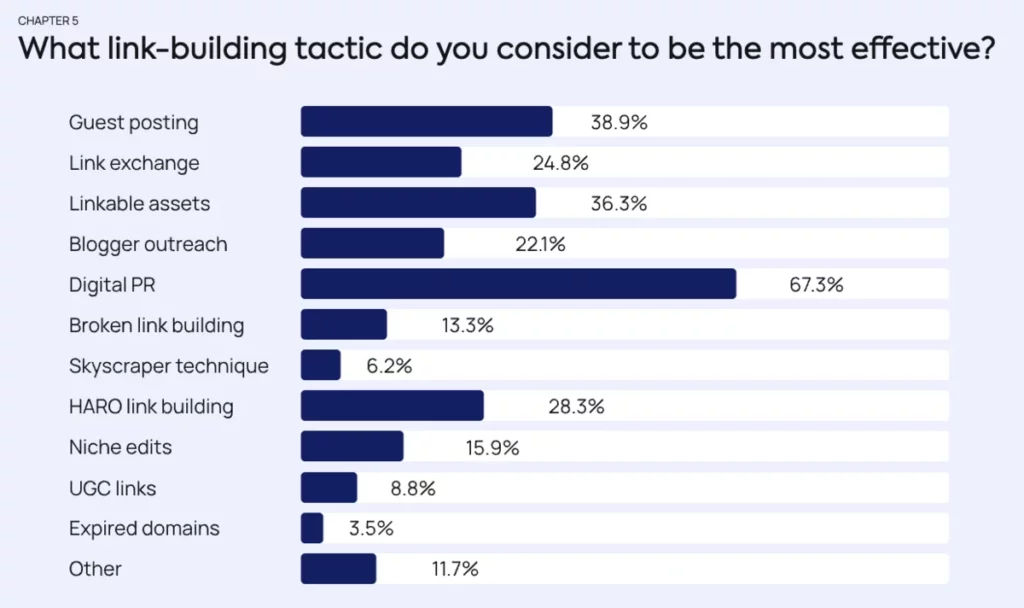
- Broken link building: Find old links or broken links on other websites that are related to your content and provide your content as the new one. This assists the site owner in rectifying something, and you are also granted a good backlink.
- Brand mentions: When your name is mentioned online, without a hyperlink, get in touch with the publisher and ask him to add it—they usually will.
- Niche edits: Add your link to existing posts, and not new posts, and receive faster authority and reach through the addition of your link to existing content, and only to relevant content.
Other Tactics
- Guest posting with helpful, original content.
- Infographics that people want to share and reference.
- Local directory listings that strengthen local SEO.
Depending on just one approach makes your link outreach look unnatural. Mixing strategies keeps your profile healthy and maximizes results.
10) Ignoring Secondary (Tier 2) Links
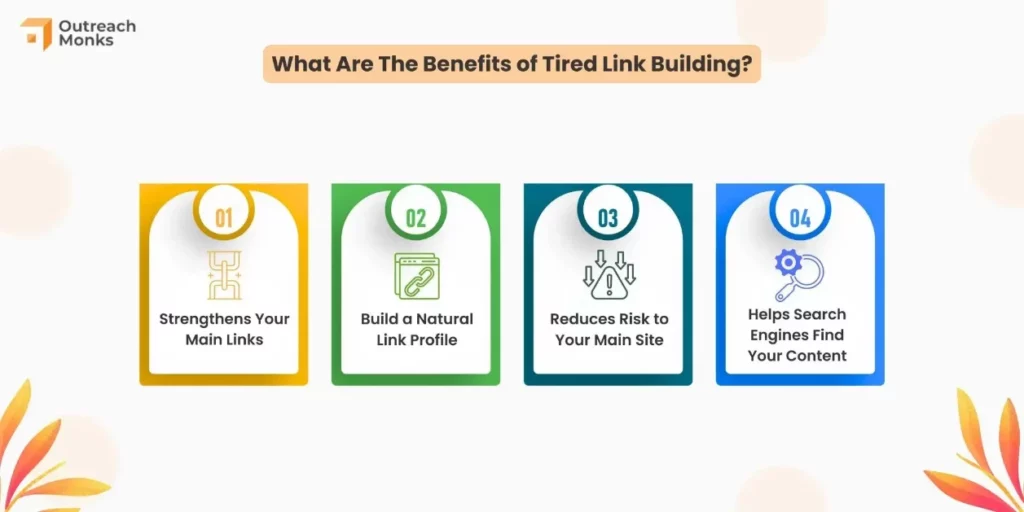
Many campaigns only focus on direct backlinks to the main site and forget about secondary links, also called Tier 2 links. These are backlinks pointing to the pages that already link to you. They boost the authority of your Tier 1 links and make them more effective.
How to Build Tier 2 Links
- Promote linking content: Share articles or posts that mention your site across social channels or forums so they gain more visibility.
- Support guest posts: Build links to guest posts that already link to you. This strengthens their authority.
- Repurpose content: Distribute content that carries your backlinks on multiple platforms for added reach.
Tier 2 links quietly amplify the results of your outreach link campaigns. Skipping them weakens the overall impact of your backlink strategy.
10) Ignoring Secondary (Tier 2) Links
Many campaigns only focus on direct backlinks to the main site and forget about secondary links, also called Tier 2 links. These are backlinks pointing to the pages that already link to you. They boost the authority of your Tier 1 links and make them more effective.
How to Build Tier 2 Links
- Promote linking content: Share articles or posts that mention your site across social channels or forums so they gain more visibility.
- Support guest posts: Build links to guest posts that already link to you. This strengthens their authority.
- Repurpose content: Distribute content that carries your backlinks on multiple platforms for added reach.
Tier 2 links quietly amplify the results of your outreach link campaigns. Skipping them weakens the overall impact of your backlink strategy.
Conclusion
The best way to do link building is to be strategic, patient and balanced. Simple mistakes—like chasing low-quality sites, repeating the same anchor text, or ignoring deep links—slow down long-term progress. Veritable authority is achieved due to relevance, consistency and credible placements.
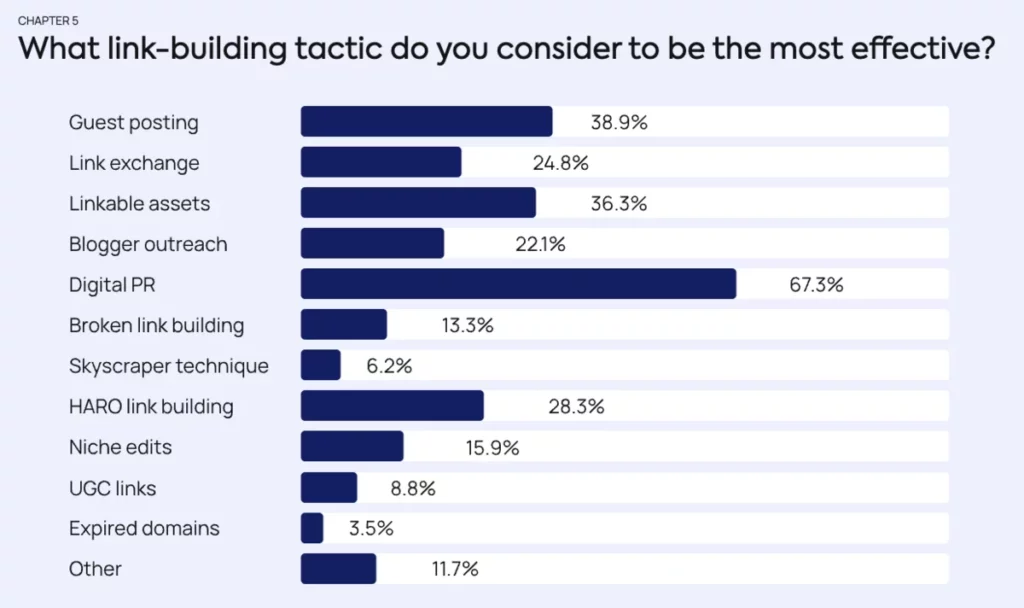
According to a recent analysis of the industry, two-thirds of the SEO professionals (65.2% of the surveyed individuals) believe that backlinks will retain the same or greater effect on rankings over the next five years, while only a small section expects their impact to fade. This demonstrates that outreach link building will continue to be an important element of SEO in the present and future.
Do not use shortcuts such as the PBNs or spam-filled domains. Remain in the context-sensitive placements, quality sites and an optimal combination of link-building techniques. Link building outreach, when performed properly, enhances authority, increases search visibility, and provides long-term SEO growth.


FAQs on Link Outreach

The first step is to identify and delete destructive backlinks. Contact the owners of the websites to remove them, and in the event that this does not work, use the Disavow Tool by Google. Once you have done the cleanup, rebuild using high-quality and relevant links through smart outreach to build your authority safely.
There isn’t a fixed number. Aim for gradual, steady growth. Focus on relevance and authority instead of quantity. Natural growth in link outreach looks safer to search engines.
Although nofollow links have no direct SEO power, they generate actual traffic and brand awareness. That additional visibility becomes natural dofollow backlinks in the future, and your total outreach link profile becomes more solid.
Audit your backlinks every three months. Regular reviews help spot spammy or harmful links before they damage rankings. It also keeps your link building outreach email campaigns effective.
Guest posting on irrelevant or poor-quality websites can cause penalties, particularly where the use of anchor text is excessively optimized. Only consider niche-relevant and reliable sites because outreach link building will not hurt your business as long as it is safe.
Yes. Older fields that have a clean history tend to gain reputations more quickly, which contributes to your outreach links being more effective. Newer sites are also capable of ranking, but they would need to use more stable, quality backlinks and good content.
No. Any scheme of paid or guaranteed backlinks is dangerous. Google algorithms identify unnatural trends within a short period of time. Purchasing links may result in an immediate loss of positions or human disciplinary action. Instead, go on with natural outreach link strategies.
Depending on the competition, the quality of links and the content strength, most sites begin to see improvements in 812 weeks. The links with high-authority or niche-relevant links can be affected quicker, whereas the competitive industries require more time.