All SEO
  SEO News
  SEO Strategy
  Ask An SEO
  Enterprise SEO
  Google Algorithm Updates
  International SEO
  Link Building
  Local SEO
  Mobile SEO
  On-Page SEO
  Technical SEO
  Vertical SEO
  Wordpress for SEO
  Web Dev for SEO
  SaaS SEO
  E-commerce SEO
  AI-Driven SEO
 U.S. Officials Ready To Confront EU Digital Services Act

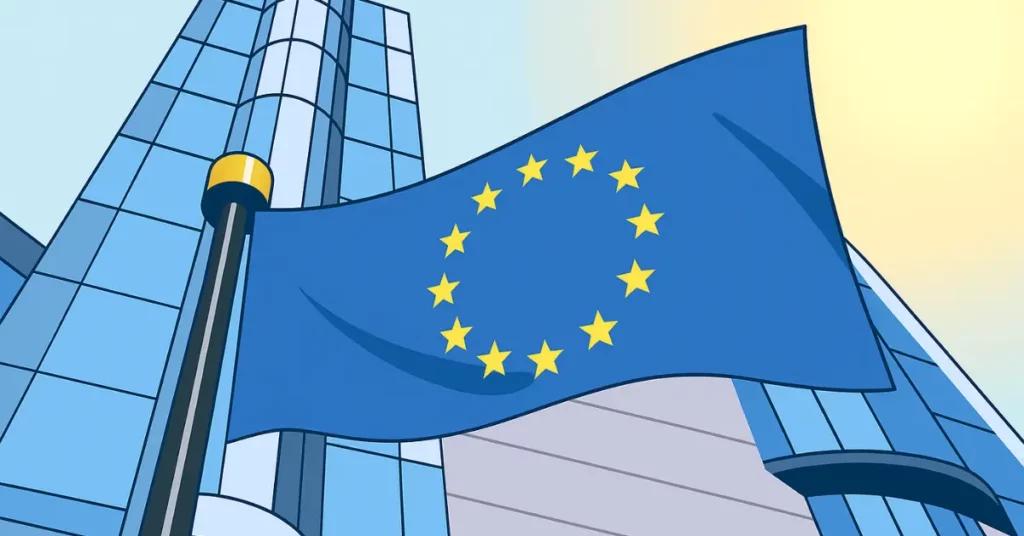
U.S. officials under the Trump Administration have taken a firm stance on the EU’s Digital Services Act (DSA) to fight back against the increasingly complicated EU rules.
U.S. officials under the Trump Administration are increasing diplomatic efforts to address the alleged unfair regulatory burdens on U.S. technology businesses. This decision to fight back against the increasingly complicated EU rules aligns with long-standing discontents from big players like Meta, who have been pushed back against increasingly complex EU regulations.
U.S. government plans to intensify its opposition it has to the European Union’s Digital Services Act (DSA). It is an extensive legal framework that requires strict rules for data collection, along with usage and usage restrictions, as well as severe penalties for social media platforms.
As reported by Reuters:
“President Donald Trump’s administration has instructed U.S. diplomats in Europe to launch a lobbying campaign to build opposition to the European Union’s Digital Services Act (DSA), which Washington says stifles free speech and imposes costs on U.S. tech companies.”
Diplomatic Pushback Led by Secretary of State
In an official letter, U.S. Secretary of State Marco Rubio accused EU officials of implementing what his administration believes are “undue” restrictions on freedom of expression.
The cable, whose headline described it as an ‘action request,’ tasked American diplomats across U.S. embassies in Europe with regularly engaging with EU governments and digital services authorities to convey U.S. concerns about the DSA and the financial costs for U.S. companies.”
This change will surely be welcomed by Meta’s management, who have always advocated for getting U.S. government support in contesting what they consider to be unfair regulatory penalties in the European market.
Meta’s Regulatory and Political Strategy
Meta is a company that has incurred more than $1 billion in annual penalties from EU regulators for the last three years. This pattern is not showing any indication of slowing down, with Meta facing further fines in Italy as well as ongoing investigations in the region.
That is why Meta has been vocal in the need for U.S. government support against these fines.
In accordance with Trump Administration preferences, Meta has modified its moderation policy for content and has introduced Community Notes and discontinued third-party fact-checking.
Additionally, Meta appointed Republican Joel Kaplan as its head of international affairs back in January. The goal of this strategic move is to improve relations with the Trump administration in anticipation of regulatory relief and faster operational progress in major markets.
Broader Geopolitical Context
President Trump has recently taken a more stern stance on digital taxes and the regulations that affect U.S. tech firms. For instance, he has advised halting all trade discussions with Canadian officials over the implementation of the “Digital Services Tax”, leading to the cancellation of the tax plan.
This pressure eventually forced Canada to stop its proposed plan. Officials from the government have since publicly criticized the DSA as well as EU regulations, which affect AI development, saying that they impede the development of new technologies.
President Trump has also threatened to impose tariffs on European imports to counter the regulatory policies he perceives to be detrimental to American businesses.
The lobbying campaign is based on a similar policy. The highest-ranking U.S. officials, including Vice President JD Vance, have denounced European regulatory frameworks for being restrictive and possibly censorious, specifically targeting conservative voices on the internet.
What This Means for Industry and Users?
This trend is indicative of an intensifying conflict between the U.S. and the EU over digital governance. Although the U.S. highlights free speech and economic issues, the EU insists on its position that DSA is vital to protect users and guarantee accountability for platforms.
The outcomes are still unclear. The possibility of easing regulations could help U.S. firms materially; however, there are concerns about the impact this may have on security measures for users.
Certain European laws mostly penalize practices that harm platforms that do not cause harm to users, while other measures increase control for users and security.
In any event, the increasing digitization of regulation has highlighted the difficulties that tech companies across the globe must navigate as they negotiate multiple regulatory regimes.
The reshaping U.S.-EU dynamic will be critical to keep an eye on for SEO experts as well as digital marketers operating in the transatlantic market.
Personal Take
Utilizing a specific lobbying strategy and using alliances with politicians, U.S. tech giants such as Meta are aiming to change the regulatory landscape for digital technologies. It seems to be a high-stakes strategy that will surely determine the direction of industry trends and policy debates in the near future.