TikTok Adds AI Avatar Stickers, Expanding Its AI Tool Set

TikTok adds AI-Avatar stickers to improve the content creation and increase engagement on the platform, thereby enhancing its AI tool set.
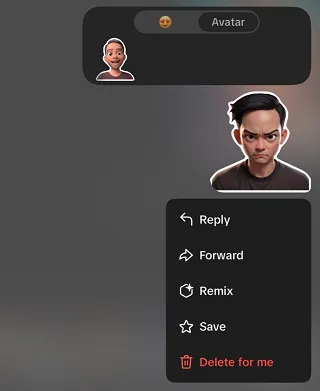
TikTok has introduced a new AI-generated sticker option that lets users mix their own personal avatars with various emoticons to create original and expressive stickers.
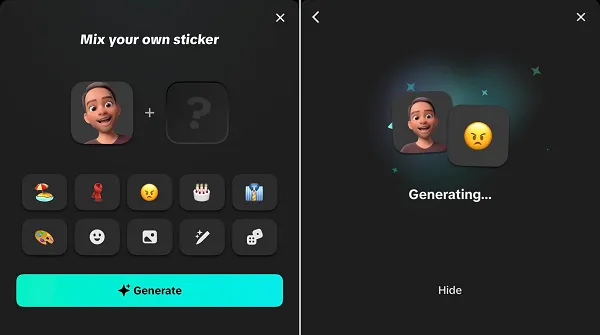
As you can see from the example posted by Jonah Manzano, this new tool lets users combine avatars created by apps with emojis, which can be used in a seamless manner inside TikTok conversations.
You can then use these combined stickers directly in the app.
TikTok’s Wider AI Ambitions
The sticker feature can be found in TikTok’s broader integration of AI tools. With ByteDance investing billions in AI development this year, further advanced AI capabilities are expected to be released soon.
While TikTok’s AI advances are a bit under the radar globally, a lot of the cutting-edge technology is developed through the Chinese counterpart, Douyin, a thriving platform for entertainment and social networking with more than 766 million active users.
What TikTok Might Adopt Next?
Douyin is currently showing a range of AI-powered features that aren’t available or have not been developed for TikTok. It includes:
- The app’s composer now integrates multiple AI editing tools, featuring creative effects, image generation capabilities, and additional enhancements.
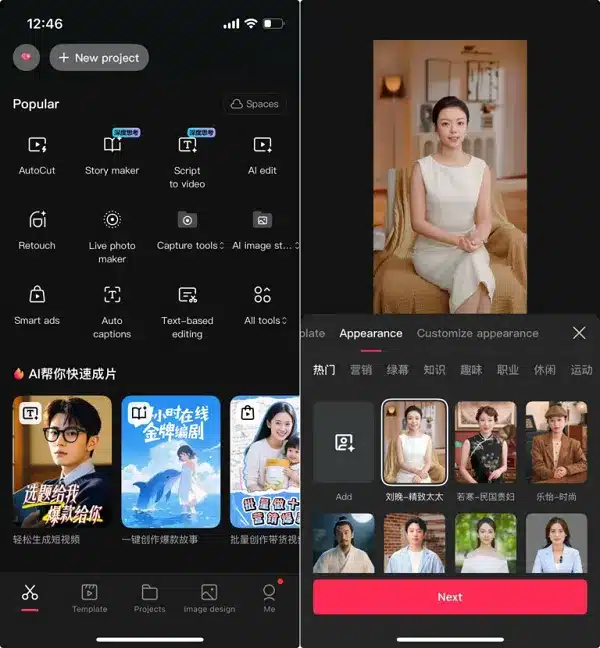
- A text-to-video generator integrated in the app, along with a separate app called “Jimeng.”
- Artificially intelligent assistants such as Doubao, a ByteDance-owned ChatGPT-like chatbot
- A Yelp-like AI assistant that provides food and restaurant recommendations as well as reviews.
The advanced AI features of Douyin show the direction TikTok’s AI development could take worldwide.
Personalized AI Avatars
Douyin continues to push the boundaries by creating improved livestream avatars to mimic the personalities and behaviour of its creators’ patterns.
Although TikTok already provides AI avatars, the next generation of AI bots is expected to offer more personalization, which Douyin says allows influencers to stay in touch with their audience 24/7.
This innovation promises to revolutionize the interaction between creators and audiences.
Focus on Shopping and Delivery
Another area in which Douyin excels is in e-commerce, in which it has established itself as the leader in China’s digital marketplace for shopping. Earlier, it had also expanded into food delivery, which is another potential avenue for TikTok as it develops its e-commerce ecosystem.
Recently, it was testing “Douyin Hourly Delivery,” which makes use of GPS technology for ultra-fast delivery to customers.
TikTok might adopt similar strategies when it increases its shopping options in different markets.
Looking Forward
Although AI-generated emojis may appear to be minor improvements, they help expand the TikTok AI ecosystem. This development indicates more substantial AI-powered capabilities coming up that will enhance the user experience, creativity, and even commerce within the app.
Naturally, given the rapid AI development, both marketers and users alike should expect some recurring issues and a change in the quality of AI-generated content.
However, the method used by TikTok shows its dedication to staying at the leading edge of social media technology driven by AI.
Final Thoughts
The addition of AI avatar stickers demonstrates TikTok’s slow but strategic AI development strategy. Keeping an eye on Douyin’s AI rollouts provides valuable foresight into where TikTok’s AI-driven features may head next, shaping the future of social media interaction and commerce.