All SEO
  SEO News
  SEO Strategy
  Ask An SEO
  Enterprise SEO
  Google Algorithm Updates
  International SEO
  Link Building
  Local SEO
  Mobile SEO
  On-Page SEO
  Technical SEO
  Vertical SEO
  Wordpress for SEO
  Web Dev for SEO
  SaaS SEO
  E-commerce SEO
  AI-Driven SEO
 Meta Signs Deals with Publishers to Enhance Meta AI Answers

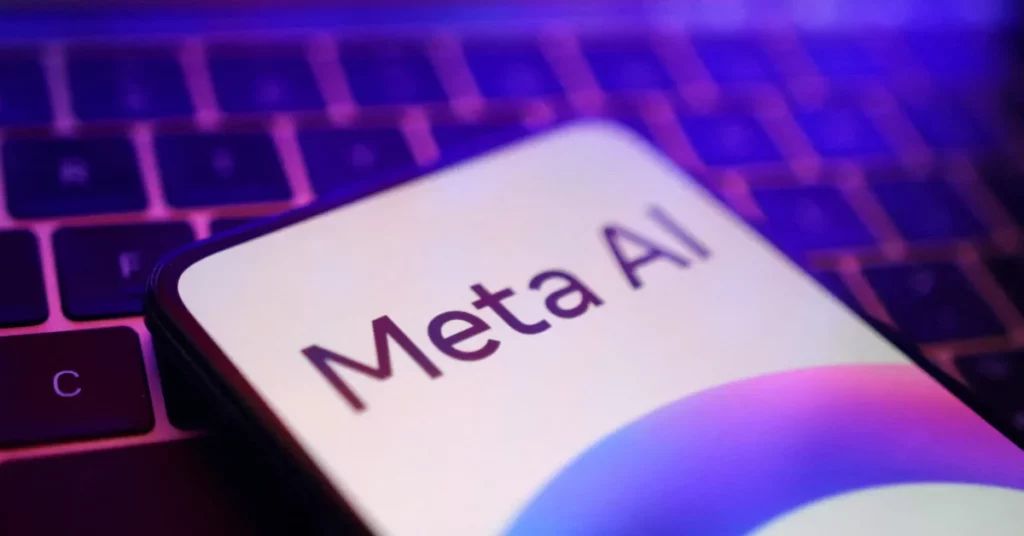
Meta signs deals with publishers to enhance Meta AI answers, providing more accurate information, coverage, and response quality across its AI tools.
Meta is back at the bargaining table with news organizations, signing a new round of licensing deals that will let Meta AI surface more real-time news, entertainment and lifestyle content directly inside its chatbot experiences.
What Meta Is Adding To Meta AI
After years of downplaying the importance of news and walking away from payment arrangements in several markets, Meta now says timely publisher content is a key ingredient in making Meta AI more useful and competitive.
According to Meta
“We’re beginning to offer a wider variety of real-time content on Meta AI – from global, breaking news to entertainment, lifestyle stories, and more. When you ask Meta AI news-related questions, you’ll now receive information and links that draw from more diverse content sources to help you discover timely and relevant content tailored to your interests.”
Practically, that means Meta AI responses will include summaries plus direct links out to partner articles, sending users to publishers’ websites for deeper coverage.
Competitive Pressure From X And OpenAI
X has long promoted this as a major advantage of its Grok chatbot because Grok ingests X posts in real time, it can deliver up-to-the-minute answers that other AI systems can’t match.
OpenAI faces the biggest gap here, with no built-in social network or comparable data stream, leaving ChatGPT unable to respond to breaking news in the same way. To close that gap, OpenAI is developing its own social platform and pursuing licensing deals with publishers.
As more publishers restrict access to their data and recognize its value, licensing agreements have become a new revenue stream, offering platforms real-time insights and curated content access. Meta’s latest deal is aimed at tapping into that same opportunity.
“These integrations will also facilitate easier access to information by linking out to articles, allowing you to visit these partners’ websites for more details while providing value to partners, enabling them to reach new audiences.”
Who Meta Is Partnering With
Meta’s initial slate of AI news partners includes CNN, Fox News, Fox Sports, Le Monde Group, People Inc. titles, The Daily Caller, The Washington Examiner, USA TODAY and others, with more deals planned.
The mix is clearly designed to span both mainstream and partisan outlets, and Meta says the goal is to make Meta AI “more responsive, accurate, and balanced” by incorporating “a wide variety of viewpoints and content types.”
These agreements sit alongside earlier data partnerships, such as Meta’s deal with Reuters, and mirror a broader industry trend where publishers are locking down their content and monetizing access via AI licensing rather than tolerating unlicensed scraping.
OpenAI and other AI providers are following a similar path, signing content deals with some outlets while facing lawsuits from others.
A Tactical Pivot After “We Don’t Need News”
The move marks a sharp pivot from Meta’s recent stance on news. Over the past few years, the company has removed its Facebook News tab in multiple countries and stopped renewing paid news deals in markets like Australia, France and Germany, arguing that news is a small fraction of user engagement and not core to its products.
In early 2024, Meta said it would “deprecate Facebook News” in the US and Australia and “cease paying Australian news outlets” once existing agreements expired, positioning that shift as aligning investment with what users “want to see more of,” such as short-form video.
That history is why many publishers now treat Meta as a strictly transactional partner being useful when it pays or sends traffic, but unreliable as a foundation for long-term strategy.
Meta’s pattern has been consistent heavily promote a format (e.g., Instant Articles, Facebook Watch, the News tab), incentivize publishers to invest, then down-rank or discontinue it once corporate priorities change. The new Meta AI deals look like the latest iteration of that cycle, this time tied to AI competitiveness rather than News Feed strategy.
What It Means For Publishers
For participating outlets, these deals create a new revenue line and potential audience exposure at a time when search-driven traffic is under pressure from AI summaries and changing discovery patterns.
But based on Meta’s track record, few publishers are likely to assume these payments will last indefinitely, or that traffic from Meta AI will be both substantial and stable.
From Meta’s perspective, this is a pragmatic move as to pay for data that makes Meta AI more compelling now and reassess later if internal social signals (for example, from Threads) or other sources can shoulder more of the load.
Bottom Line
For publishers, the safest approach is to treat these agreements as opportunistic upside worth pursuing, but not a cornerstone of their long-term business model.