All SEO
  SEO News
  SEO Strategy
  Ask An SEO
  Enterprise SEO
  Google Algorithm Updates
  International SEO
  Link Building
  Local SEO
  Mobile SEO
  On-Page SEO
  Technical SEO
  Vertical SEO
  Wordpress for SEO
  Web Dev for SEO
  SaaS SEO
  E-commerce SEO
  AI-Driven SEO
 Google’s Danny Sullivan Says “Good SEO Is Good GEO”

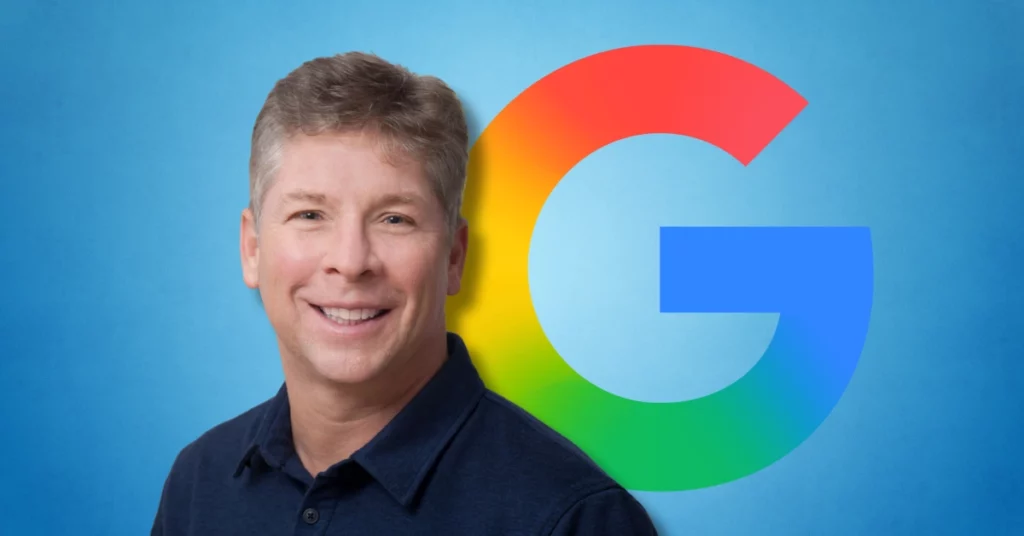
Google’s Danny Sullivan redefines local search by highlighting why optimizing search for your physical location is the core of a successful SEO method.
Danny Sullivan, Google Search director and former public relations officer, states that traditional SEO fundamentals are still essential regardless of the fact that the industry is adapting to the generative AI-driven search experience. The statement he makes is: “Good SEO is good GEO.”
Understanding Generative Engine Optimization
Generative Engine Optimization, also known as GEO, is the term used to describe improving the quality of content for AI-powered searches.
Sullivan was a speaker at WordCamp US on August 28 and emphasized that GEO essentially follows the same fundamental techniques as traditional SEO, creating unique, high-quality content that is valuable and providing a fantastic web page experience.
He explained:
“…If you don’t know what GEO is, it’s like the latest acronym, but like I can’t keep track each day. There’s a different one. But SEO, search engine optimization; GEO, generative engine optimization.
By the way, if you could dig it out when I was like in 2010, back when people were panicking then, I was like, you know, SEO doesn’t mean you get into the blue links on Google. SEO means you understand how people search for content and then you understand how to have your content there. And it could be everything from people asking a question to a voice device to people just opening up something on their phone or whatever.
So, the basic things have not changed. Good SEO is good GEO, or AEO, AIO, LLM SEO, or LMNOPO. So, they’re all fine. What I’m trying to say is don’t panic. What you’ve been doing for search engines generally, and you may have thought of as SEO, is still perfectly fine and is still the things that you should be doing. … Good SEO is really having good content for people.“
To conclude, despite the introduction of the emergence of new acronyms and changes within technology, fundamentals remain the same, which is the focus on the human element in writing and original content.
The Importance of Content Clarity and Uniqueness
Sullivan reinforced:
“… Are you saying write things in a clear way that people can understand? Cool. Like that’s just for people. All right.
Are you saying write about things that are unique or interesting? Cool. That’s good for people. And all we [Google] try to do is understand how our signals can align with things that are good for people.”
Google’s mission is to align its ranking signals to content that truly meets the needs of its users.
Addressing Declining Organic CTR
During the Q&A, blogger Angie Drake raised concerns about declining organic click-through rates (CTR) after the launch of Google’s AI Overviews, despite rising impressions, a phenomenon dubbed “the great decoupling of search.
She inquired about what Google would assist the publishers impacted by this change, and Sullivan’s response was:
“Google has been unapologetic about zero-click factual answers (e.g., “What time is the Super Bowl?”) because users expect direct facts.
Google is committed to rewarding unique, valuable content and supporting the open web.
He said there will be “bumps along the way,” that feedback is heard within Google, and “it’s still part of what we’re going to be figuring out.”
Additional Information from Sullivan’s Keynote
- Google AI Reviews have led to an increase of 10% in searches across both the U.S. and India.
- Google provides up to 5,000 updates each year, in line with previous years’ data, as the last figure was around 4,725, which has not changed much since 2022.
If you want to know more about the keynote, the complete video is now available, along with an extensive GEO discussion here.
Key Takeaway
This affirmation from Google’s senior search expert demonstrates that, despite the increasing use of AI-driven search, fundamental SEO principles remain the foundation for ensuring the success of content in the evolving digital age.