All SEO
  SEO News
  SEO Strategy
  Ask An SEO
  Enterprise SEO
  Google Algorithm Updates
  International SEO
  Link Building
  Local SEO
  Mobile SEO
  On-Page SEO
  Technical SEO
  Vertical SEO
  Wordpress for SEO
  Web Dev for SEO
  SaaS SEO
  E-commerce SEO
  AI-Driven SEO
 Google Search Ranking Instability Raises Fresh Concerns

Google’s search results are again undergoing significant fluctuations. Although the June 2025 Core Update was completed about two weeks back (on July 17), ranking volatility remains high and does not appear to be slowing down anytime soon.
This constant trend has prompted many within the SEO community to question whether Google is sending out updates that are not confirmed or if the effects of the most recent core update are still being felt in waves.
Volatility Spikes Continue Across Key Tracking Tools
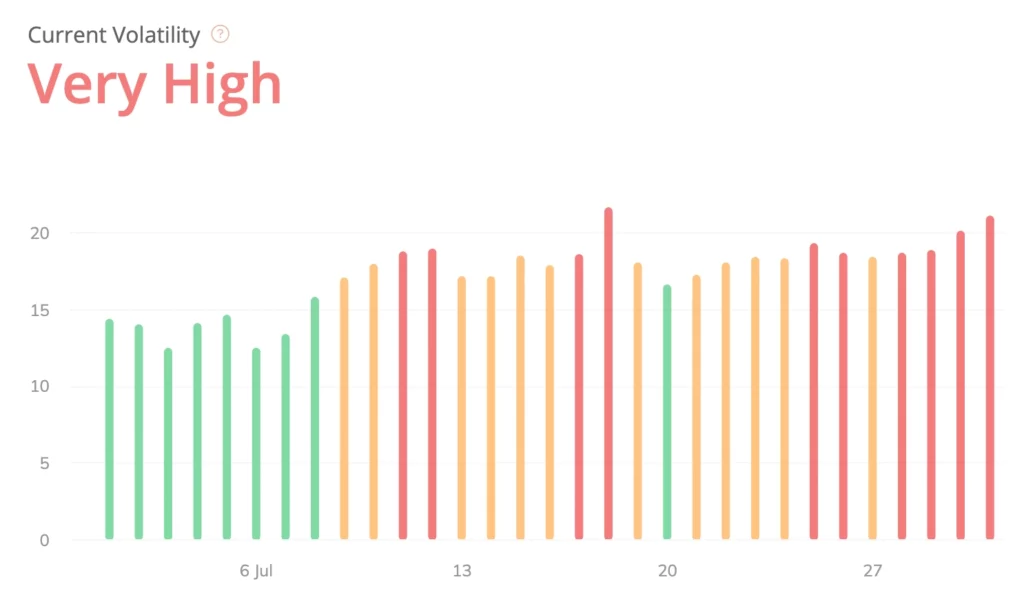
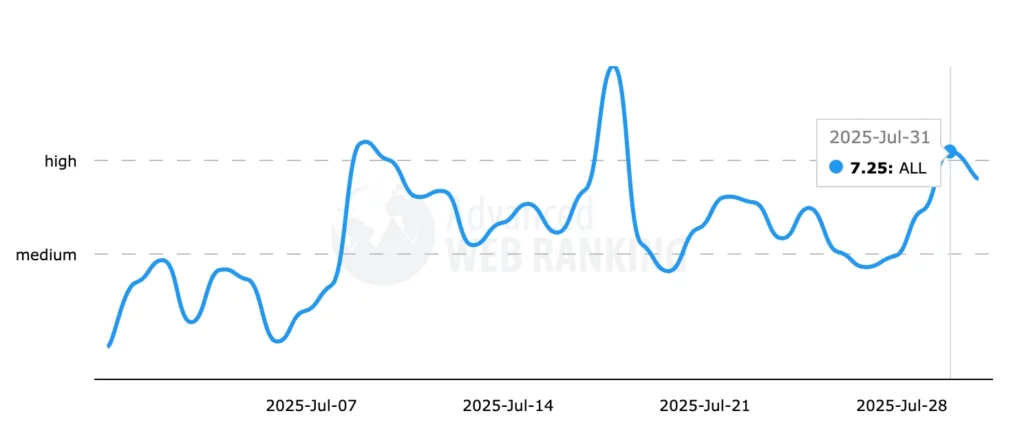
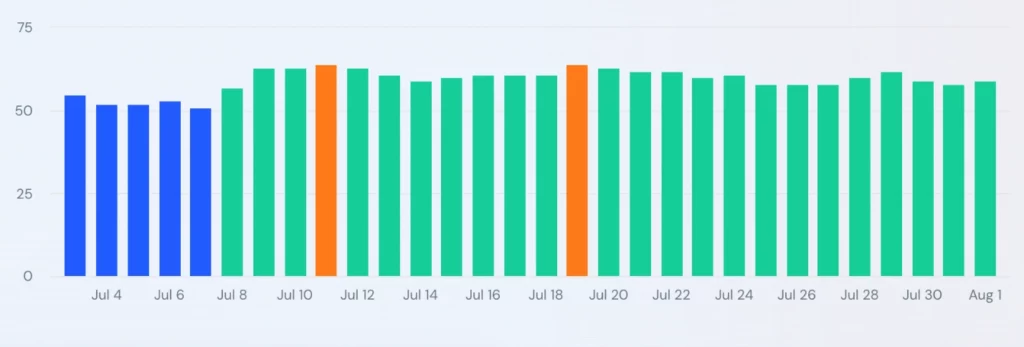
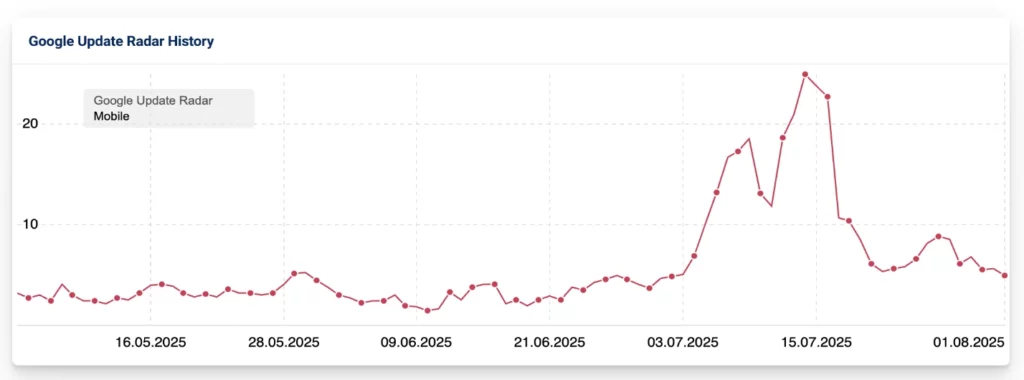
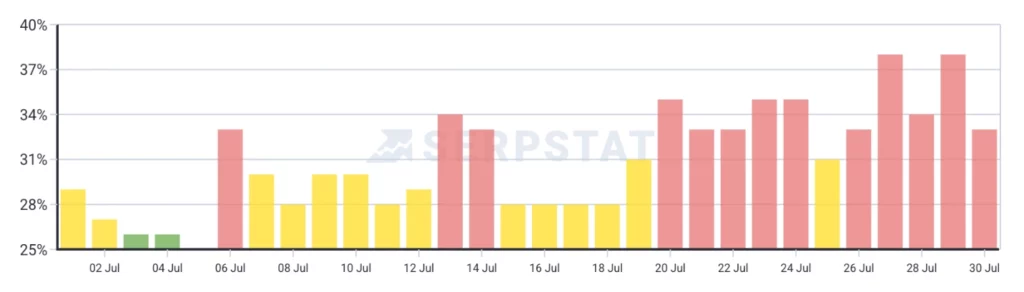
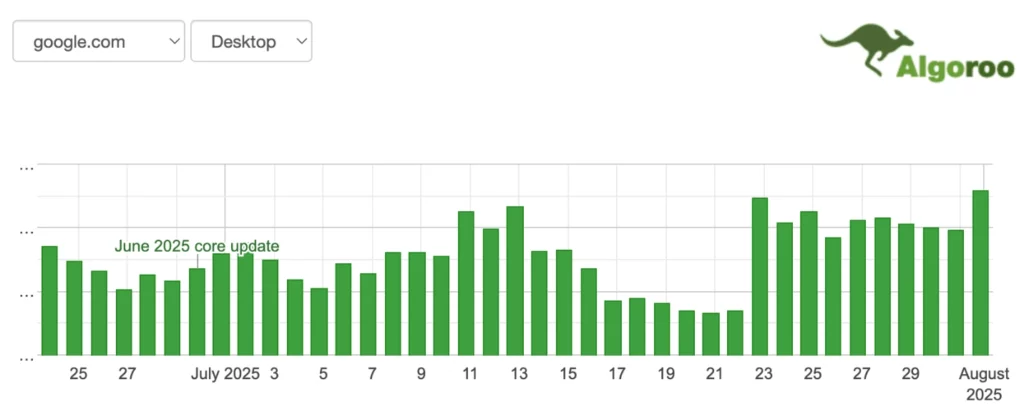
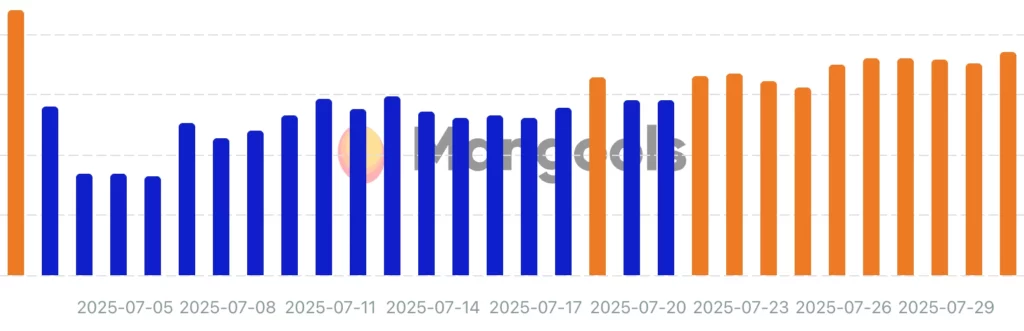
SEO weather tools exploded once more on July 31, the fluctuations reaching the 1st of August. Numerous platforms, including Wincher, Semrush, SimilarWeb, Mozcast, SERPstat, Sistrix, AccuRanker, and Cognitive SEO, have reported an increase in movement in rankings.
Here’s a look at what the various third-party tools are showing you:
Wincher
Advanced Web Rankings
SimilarWeb
Mozcast
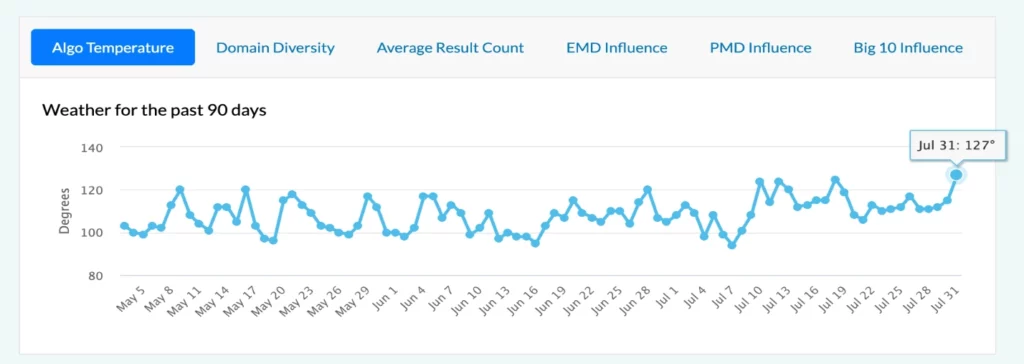
Semrush
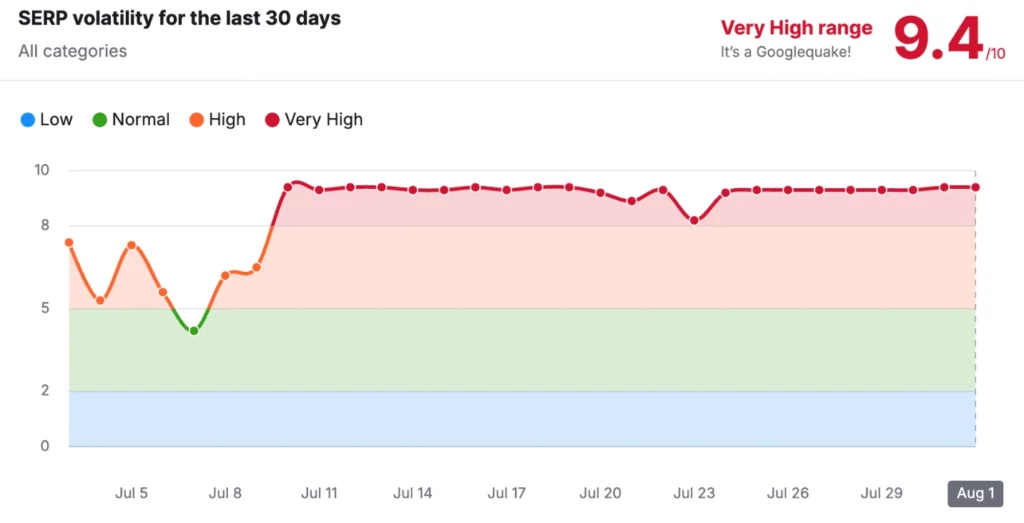
Accuranker
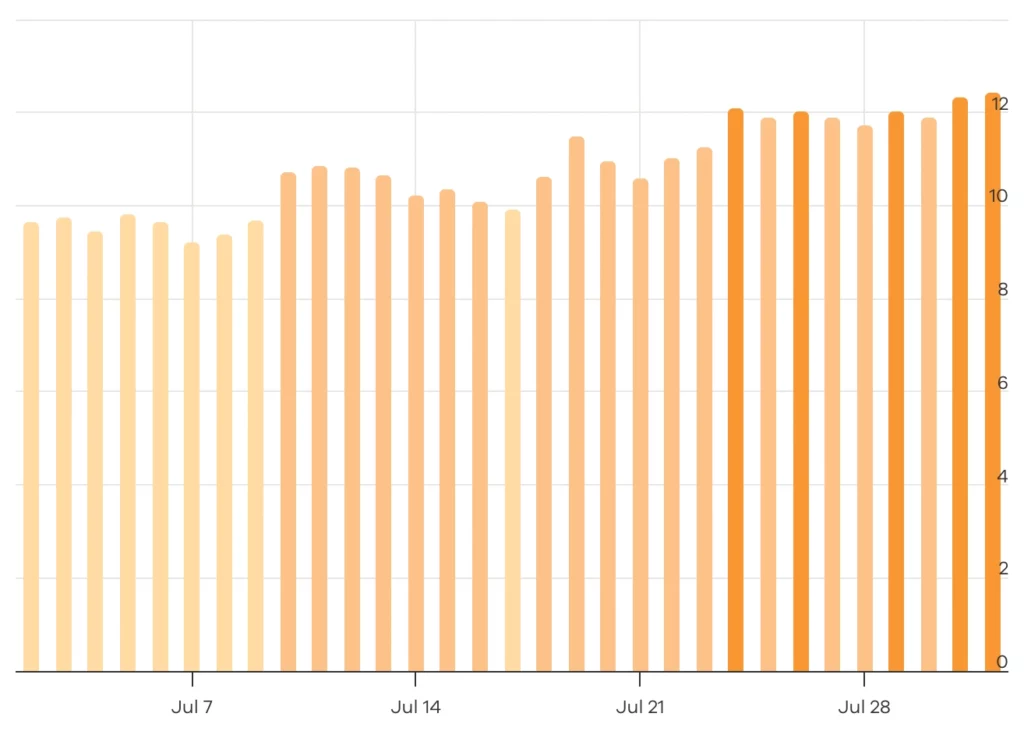
Data for SEO
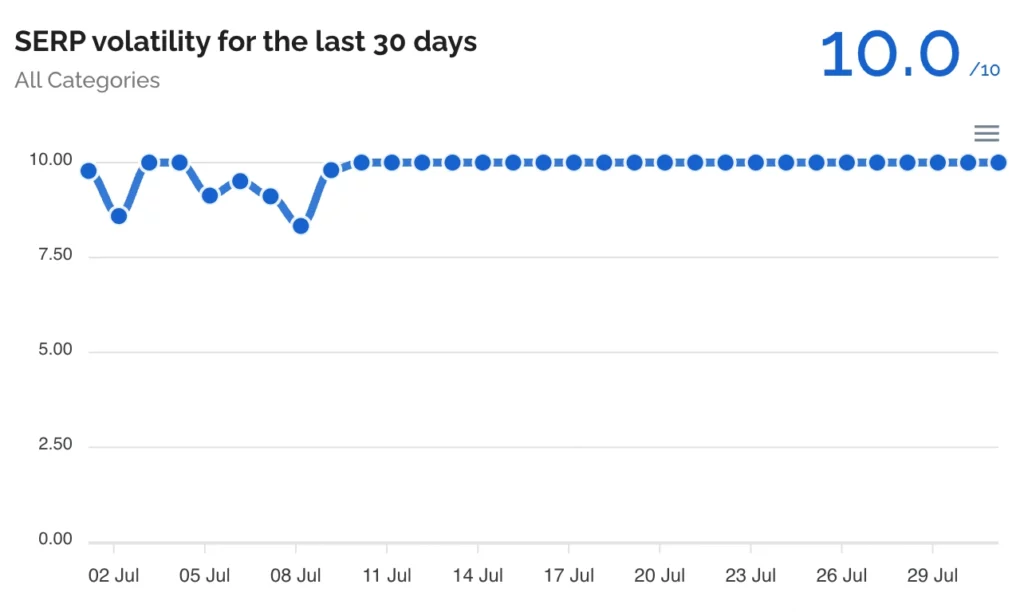
Sistrix
Serpstat
Algoroo
Mangools
Cognitive SEO
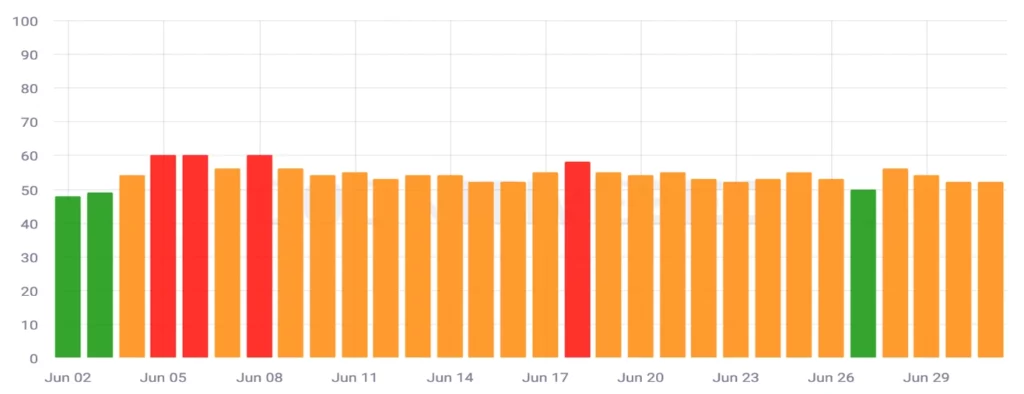
The tools show a rise in SERP turbulence several weeks after the update was officially completed.
Wireboard’s aggregated Index, which collects data from the most popular tracking tools, shows a significant increase in volatility. While this is not unusual, the time and frequency of the activity is raising eyebrows.
Site Owners Share Mixed Sentiments: Gains, Drops, and Confusion
Over at Webmaster World and on SEO forums, conversations exploded along with the tools for tracking. There is a mixed response. Certain site owners are reporting stark changes, while others are reporting unpredictable patterns of traffic, and some are unsure of the exact nature of what Google does.
Here’s a brief summary of the conversation:
- “Seeing huge SERP shifts today. It looks like the June’s core update fallout continues to be a problem.”
- “After the last week’s increase on traffic levels, it appears that we’re seeing a drop yet. There’s no pattern to be seen.”
- “Google has removed thousands of backlinks — they’re live, but no longer counted.”
- “My news site’s holding steady, but ecommerce conversions are way down.”
- “High traffic one day, dead the next — and conversions are all over the place.”
For a lot of people, the problem isn’t just about traffic but the quality of traffic and unstable conversion. Many are concerned about the impact of AI-generated answers in SERPs; however, others point to algorithmic changes that haven’t been announced.
Google’s Core Update Timeline — Still Evolving?
To review, Google’s June 2025 update officially started on the 30th of June and was completed by the 17th of July. Incredibly, the early volatility was low, and most SERP movements began later in the day, especially between July 2nd and July 10th, when partial recoveries (and certain additional losses) were announced.
The volatility hasn’t completely subsided. Even after weeks, ranking swings remain at levels that we’d usually anticipate during the rollout phase of an update that has been confirmed, but not when one was supposed to be over.
So, What’s Happening?
At the moment, it’s unclear if this is the result of the ongoing fallout from the June update or a result of indefinite, unconfirmed modifications made to Google’s technology. In either case, the volatility of this length isn’t common — and a bit frustrating.
For SEOs and owners of websites, the lesson is simple but a little uncomfortable: stay alert, do not assume stability, and keep an eye on not just traffic but also keyword movements as well as engagement quality.
If you’re seeing a shift in ranking or unusual traffic patterns, you’re not alone, and at the moment, there’s no indication of a slowdown.
Final Thought
Although Google has not yet confirmed the release of any new update, the SERPs tell the opposite story. It’s unclear if this is part of an overall shift in the way major updates are distributed or simply a continuation of experimentation with algorithms. One thing is for sure: stability in ranking isn’t guaranteed following the “official” end date.