Google Gives Online Shopping Experiences a New Push with Fresh Tools for Retailers

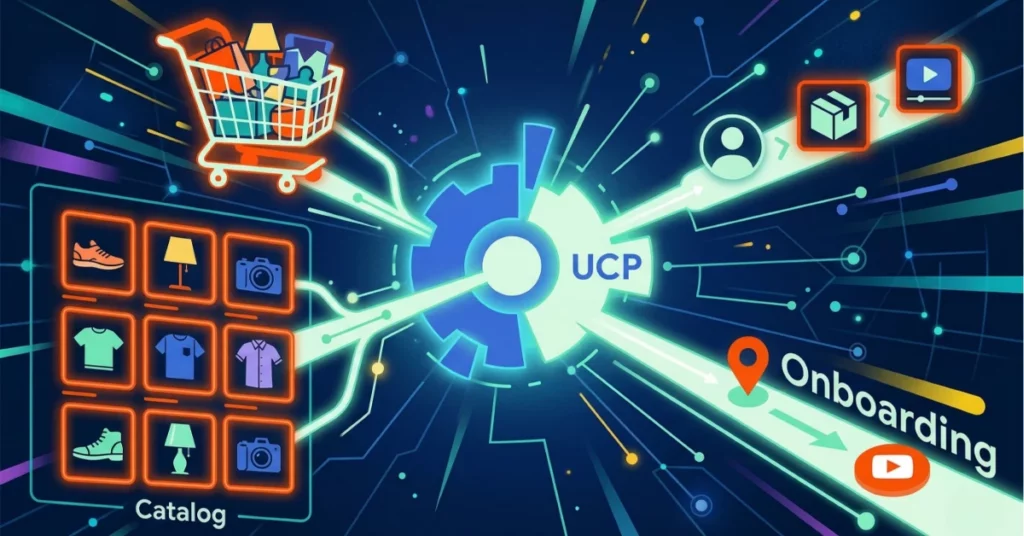
Google is trying to make online shopping feel more natural and less scattered for its millions of customers. Its latest update to the Universal Commerce Protocol (UCP) adds a few practical features that could change how people browse and buy products across its platforms.
The focus this time is simple- to make shopping smoother for users and easier for businesses to plug in.
A Cart That Works More Like Real Shopping
Until now, UCP handled fairly basic tasks. That is changing in real time with the new cart feature.
Shoppers can now go on to add multiple items from a store into one basket. They can take their time, look around, and go on to build a list before deciding to buy. This mirrors how people or consumers actually shop and browse first, then decide later.
Once ready, it is this same cart that can move straight to checkout. There is no need to start over or jump between pages.
Live Product Details Instead of Old Listings
Another update comes in the form of a catalog feature. This is able to pull product details directly from a retailer’s live inventory.
So instead of outdated listings, shoppers see what is actually available at that moment. Prices, stock levels, and product options in this manner can stay current.
This may sound small and inconsequential, but it fixes a common annoyance. Few things are more frustrating than clicking on a product only to find it is out of stock or priced differently.
Your Discounts Stay with You
Google is also leaning and depending into something shoppers care about – these are offers and loyalty perks.
With identity linking, users can connect their store accounts across platforms. That means that benefits like discounts or free delivery can still apply, even if the purchase happens through Google instead of the brand’s website.
For frequent shoppers who buy online, this removes a bit of friction. They simply just do not have to worry about missing out on deals tied to their accounts.
Bringing More Retailers on Board
On the business side, Google is trying to lower the entry barrier.
It says the onboarding process through Merchant Center will become simpler in the coming months for buyers who want to buy online. The idea is to make it easier for smaller retailers to join, not just large companies with dedicated tech teams.
There is also support coming from platforms like Salesforce and Stripe. It is that this involvement could help businesses connect to UCP without building everything from scratch.
A Bigger Shift Behind the Scenes
This update does more than just go on to add features. It quietly expands what UCP is meant to do.
At the launch, it was mostly about completing a purchase. Now, it is moving toward handling the full journey searching, comparing, adding items, and finally the checking out.
For shoppers, that could mean fewer steps and less hopping between sites. For retailers, it offers wider reach but also raises a nagging question—how much of the customer relationship shifts to Google?
That balance is critical and will matter, especially for brands that rely on direct visits and repeat buyers.
What to Expect Next
Some parts of the update are still being tested, so changes are likely to be more apparent now. Google has said these features will roll out more widely across its AI-driven services over time.
For now, the direction and intent is very clear. Shopping online is being reshaped to feel quicker, simpler, and more connected-all within a single flow rather than across multiple stops.