All SEO
  SEO News
  SEO Strategy
  Ask An SEO
  Enterprise SEO
  Google Algorithm Updates
  International SEO
  Link Building
  Local SEO
  Mobile SEO
  On-Page SEO
  Technical SEO
  Vertical SEO
  Wordpress for SEO
  Web Dev for SEO
  SaaS SEO
  E-commerce SEO
  AI-Driven SEO
 Facebook Attempts to Make Pokes Happen (Again)

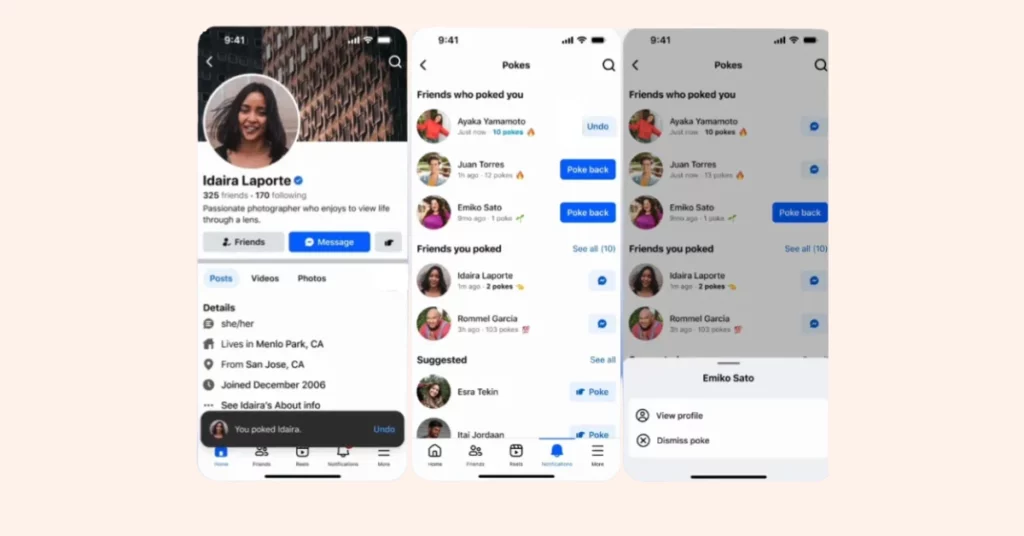
Facebook is reviving the classic feature, Pokes, in an attempt to bring back this nostalgic and quirky social interaction.
Facebook is once again attempting to revive Poke, the social network’s unbearably awkward social interaction feature that has failed over and over again to become a lasting trend.
Although the company attempted to launch a platform in 2017 and again last year, it is now introducing a new version of the platform that aims to simplify functionality and incorporate play-based elements to encourage users to engage on the platform.
Poke Revival Attempt
As seen in screenshots of the new Instagram preview posts, Facebook is resurrecting the Poke with simplified functionality and a fresh dose of gamification.
Facebook explains:
“Find out who poked you and poke all of them back at www. facebook. com/pokes. You can watch your pokes count with friends increase each time you poke each other, alternatively, you just swipe and dismiss pokes from the list.”
That gamification, similar to Snapchat streaks, credits both parties for mutual pokes to incentivize a little back-and-forth action.
Persistent Push on Pokes
Why Mark Zuckerberg and Meta’s folks are still interested in Pokes is not clear, even with relatively light user enthusiasm over the years.
Meta first began reviving vintage Facebook features in March, adding “several OG Facebook experiences”. That begins with an overhauled Friends tab, and the revival has now been extended to Poke.
But Pokes face steep odds, amid Facebook’s slumping user base overall, particularly among younger users, as messaging apps become the primary social connection tool.
Meta’s General Youth Problem
Meta is hoping that younger users may embrace Pokes, and potentially stir up a Snapchat-style frenzy around the features. The poke count system might resemble “Snap streaks,” encouraging continued engagement.
Even so, this seems like a corporate effort to create cool, consistent with other Meta products that sometimes feel tone-deaf culturally.
Meta runs the world’s most popular social and messaging services, but younger users often flock elsewhere. Facebook and Instagram frequently mimic the features of fast-growing competitors, rather than develop their own.
This trend is also reflected in Meta’s AI tool releases, with numerous nudges to users to create AI-generated images or chat with celebrity-voiced bots, which often feel gimmicky rather than particularly compelling.
Facebook’s Cultural Influence
Whether Meta’s business is a success or not, its cultural impact and innovations in distinctive social features may be another story.
Facebook’s decision to dust off the poke feature is a melancholy gesture to earlier times, but it’s not going to turn the site into a cultural force again.
All that said, poking is, for the moment, relatively attainable again, meaning new users now have a taste of what it is like to experience a blast from the past, along with the inevitable mix of amusement and frustration it tends to evoke.
Final Thoughts
Meta’s strategy highlights the ongoing tension between business needs and genuine user engagement in a rapidly evolving social media landscape.